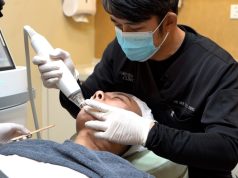
From stress and irregular eating habits to genetics and hormonal changes, discover the causes of hair loss and the importance of early assessment
Hair loss is a concern for many Malaysians, affecting not only appearance but also self-confidence and emotional well-being. Three common hair and scalp concerns in Malaysia include hair thinning and hair loss, dandruff and scalp problems as well as hair damage and breakage. While genetics and hormonal changes contribute to certain types of hair loss, the country’s hot and humid climate, prolonged use of helmets or headwear and frequent chemical treatments such as rebonding, colouring and bleaching can also affect scalp and hair health.
Although these concerns may appear similar, their underlying causes differ. Lifestyle factors such as chronic stress, restrictive diets and nutritional deficiencies may contribute to excessive shedding, while certain scalp conditions and hair-care practices can cause irritation or breakage.
According to Dr Foo Wing Jian, Senior Aesthetic Practitioner (LCP) at Premier Clinic Mont Kiara, understanding the underlying cause is essential because different hair and scalp concerns require different management approaches.
“Hair loss is a symptom, not a diagnosis. The pattern of thinning, how quickly it develops and whether there are other symptoms can provide important clues about the underlying cause. For example, gradual thinning may suggest pattern hair loss, while increased shedding following an illness, major stress or significant weight loss may indicate telogen effluvium. Identifying these differences helps determine whether the patient needs medical treatment, further investigation or changes to specific lifestyle factors,” says Dr Foo.
One of the most common types of hair loss is androgenetic alopecia or pattern hair loss which is influenced by genetics and sensitivity to dihydrotestosterone (DHT). Men typically experience a receding hairline or thinning crown, while women often notice a widening parting and reduced hair density. Another condition, telogen effluvium can also cause excessive shedding following triggers such as significant stress, illness, childbirth or rapid weight loss, while alopecia areata, an autoimmune condition can cause sudden patches of hair loss.
A 2026 publication in JMIR Dermatology highlights the psychosocial burden of alopecia areata in Malaysia, emphasising the need for greater awareness, appropriate assessment and access to treatment. Although this condition is autoimmune rather than lifestyle-related, the publication reinforces that hair loss should not be dismissed as merely a cosmetic concern.
“Hair follicles are sensitive to changes in the body’s nutritional and physiological environment. Severe calorie restriction, inadequate protein intake and certain nutrient deficiencies can disrupt the normal hair growth cycle and lead to increased shedding. However, taking supplements indiscriminately is not the answer, as not all hair loss is caused by a deficiency. A proper assessment can help determine whether dietary changes, targeted supplementation or investigation of an underlying medical condition is needed,” adds Dr Foo.
Lifestyle factors may disrupt the hair growth cycle or worsen existing thinning, although they do not directly cause every form of hair loss. Those at greater risk include individuals with a family history of pattern baldness, women experiencing hormonal changes after childbirth or menopause and people with conditions such as polycystic ovary syndrome (PCOS) or thyroid disorders. Meanwhile, prolonged stress, serious illnesses and restrictive diets may trigger excessive shedding, while frequent chemical treatments, heat styling and tight hairstyles can contribute to hair damage or traction alopecia.
A literature review published in the National Library of Medicine examined how lifestyle factors including chronic stress, dietary habits and smoking may contribute to androgenetic alopecia. Genetics and hormonal sensitivity remain the primary drivers of this condition but lifestyle factors may also play a contributing role.
Finding the Right Treatment
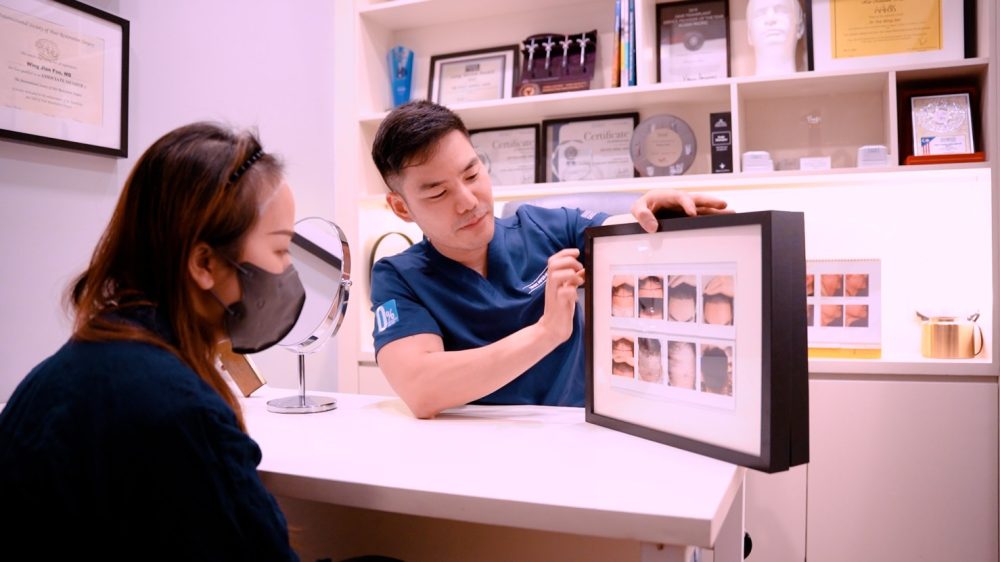
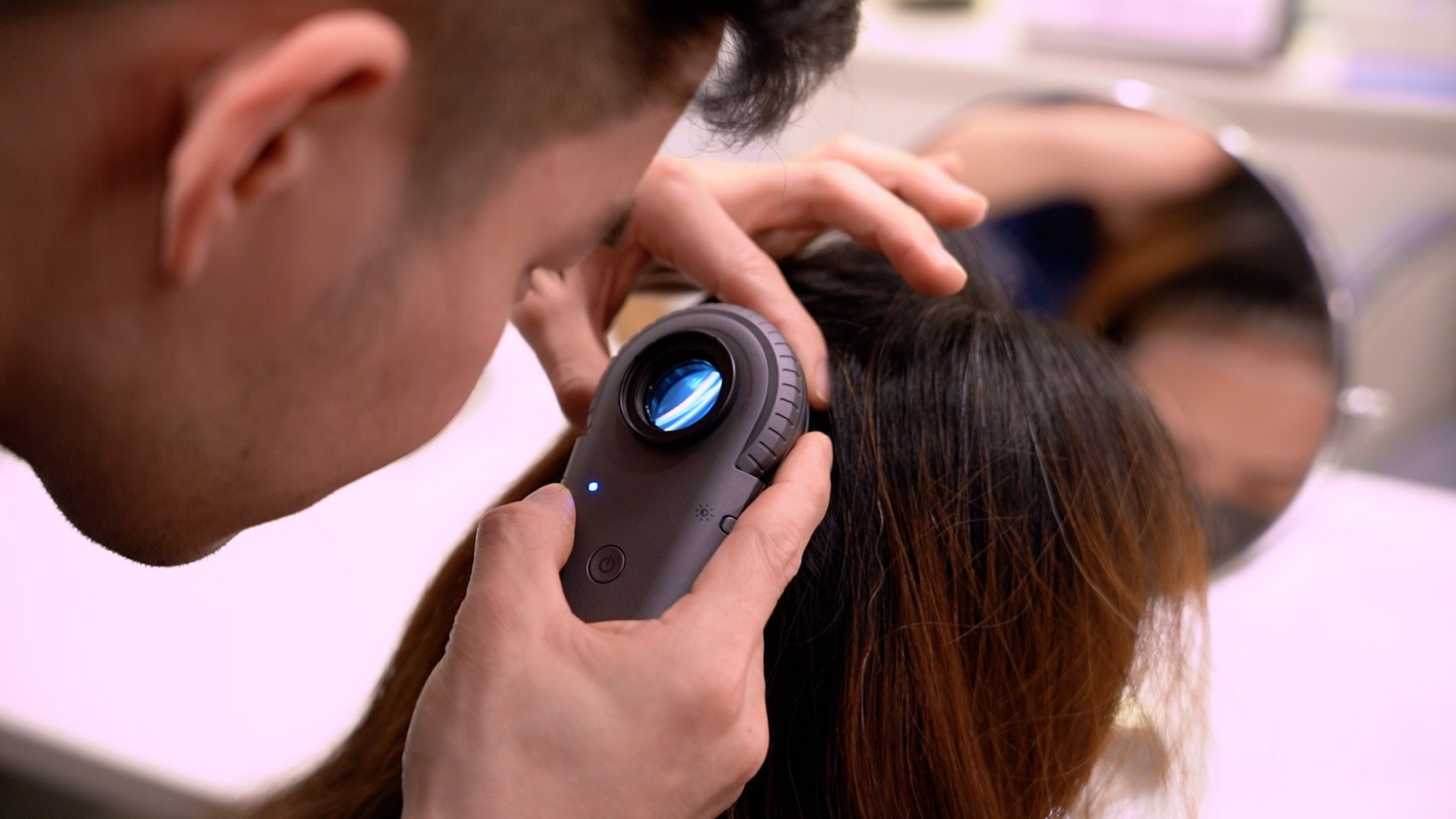
As different types of hair loss have different underlying causes, treatment should begin with a proper assessment rather than a one-size-fits-all recommendation. At Premier Clinic, this may include reviewing a patient’s medical history, diet, medication and family history, alongside a scalp examination using a dermatoscope. Blood tests may be recommended when nutritional deficiencies or underlying medical conditions are suspected.
Treatment options also depend on the diagnosis, severity of hair loss and individual suitability. For pattern hair loss, topical minoxidil is an established option for men and women while finasteride may be prescribed for appropriate male patients after discussing its benefits, risks and suitability. For stress-related shedding, addressing the underlying trigger is often the priority, while correcting identified nutritional deficiencies may support recovery.
“Choosing the right treatment involves more than selecting a product or procedure. We need to consider the type and severity of hair loss, the patient’s medical history, possible contraindications and what the treatment can realistically achieve. Patients should also understand how long results may take, whether continued treatment is needed and what side effects to look out for. An appropriate treatment plan should be based on clinical assessment and evidence, with progress reviewed over time so that the approach can be adjusted when necessary,” explains Dr Foo.
Beyond medication and light therapy, several procedures may be considered for suitable patients, although their supporting evidence and effectiveness vary:
- Hair Platelet-Rich Plasma (PRP): Uses a patient’s own blood, which is processed to concentrate platelets before being injected into the scalp. It aims to support hair follicles and encourage hair growth, although results vary between individuals.
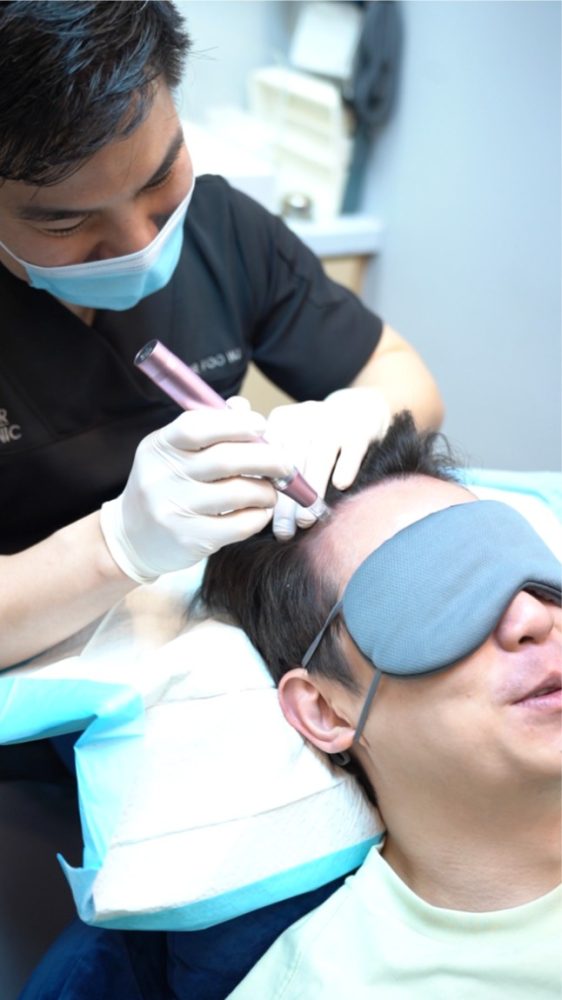
- Potenza RF Microneedling: Combines fine needles with radiofrequency energy to stimulate the scalp. However, the device’s clearance is for skin treatment rather than specifically for hair loss, and further evidence is needed to establish its effectiveness for hair regrowth.
- Hair Mesotherapy: Involves injecting selected substances, such as vitamins, peptides or growth-factor formulations, into the scalp. Its effectiveness and supporting clinical evidence vary depending on the substances used.
- Exosome and Hair Stem Cell Treatments: These emerging approaches remain experimental, with insufficient clinical evidence to establish their safety and effectiveness as routine hair-loss treatments. Patients should be cautious of claims promising guaranteed hair regrowth.
- Hair Transplantation: May be considered for suitable patients with advanced, stable pattern hair loss and sufficient donor hair. Assessment and treatment should be undertaken by an appropriately qualified specialist, such as a plastic surgeon or dermatologist experienced in hair restoration.
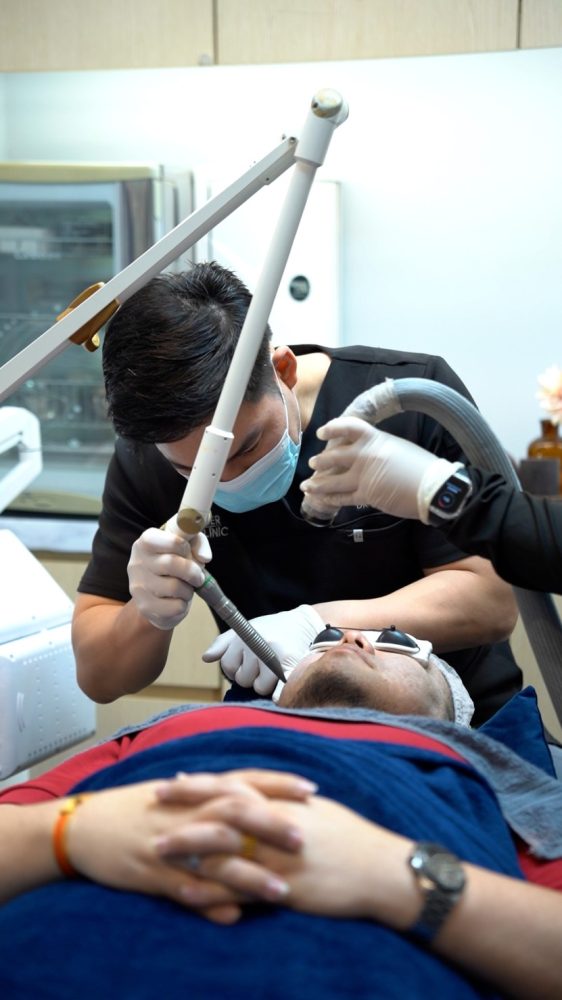
For stress-related shedding, addressing the underlying trigger is often the priority, while correcting identified nutritional deficiencies may support recovery. Alopecia areata may require assessment and treatment by a dermatologist.
Premier Clinic’s approach emphasises doctor-led assessment, personalised treatment planning and ongoing monitoring. Rather than focusing solely on individual procedures, the clinic considers the underlying cause of hair loss when selecting suitable treatment options. Follow-up consultations are typically scheduled around every three months allowing progress to be reviewed and treatment plans adjusted when necessary.
Consistency and Early Intervention Matter
Hair-loss treatment takes time and results vary between individuals. Visible improvement with minoxidil may take several months, while light-therapy devices require regular use. Ongoing treatment is often necessary to maintain improvements in pattern hair loss, while lifestyle adjustments can complement medical care. However, lifestyle changes alone cannot address every type of hair loss, particularly when the condition is driven by genetic predisposition, hormonal sensitivity or autoimmune processes.
For individuals experiencing persistent shedding, visible thinning or sudden bald patches, seeking professional advice can help clarify the underlying cause and identify suitable management options. Ultimately, effective hair-loss management begins with understanding the cause, setting realistic expectations and choosing an appropriate treatment based on individual needs.
For more information about hair loss treatment, please visit https://www.premier-clinic.com.
Factsheet of Lifestyle-Induced Triggers hair loss
| Lifestyle Factor | Primary Biological Mechanism | Resulting Hair Condition |
| High-Fat/Sugar Diet | Scalp micro-inflammation & blood flow reduction | Accelerates Pattern Baldness (AGA) |
| Crash Dieting | Protein/Iron/Vitamin D starvation | Follicle malnutrition & thinning |
| Sleep Deprivation | Spikes Cortisol & disrupts growth hormones | Telogen Effluvium (Sudden shedding) |
| Smoking & Alcohol | Vasoconstriction, hypoxia, & Oxidative Stress (ROS) | Cell damage & increased DHT sensitivity |
| Chronic Stress | Autoimmune micro-inflammation at the root | Follicle arrest & Alopecia Areata |
Hair Loss at a Glance: Risk Factors & Warning Signs
| Who May Be at Risk | Warning Signs to Look Out For |
| People with a family history of hair loss | Persistent excessive shedding lasting several months |
| Men experiencing early pattern baldness | Receding hairline, widening parting or increasingly visible scalp |
| Women after childbirth or around menopause | Noticeably reduced hair volume or a thinner ponytail |
| Individuals with thyroid disorders or PCOS | Sudden bald patches or localised hair loss |
| People experiencing prolonged stress, recovering from serious illnesses or following restrictive diets | Scalp itching, redness, pain or scaling accompanying hair loss |
| Individuals who frequently wear tight hairstyles or undergo intensive chemical and heat styling | Increased hair breakage or visible thinning |
Sources
– American Academy of Dermatology, normal shedding and recovery timeline for stress-related shedding: https://www.aad.org/public/diseases/hair-loss/insider/shedding
– Systematic review of FDA-cleared home-use LLLT devices for pattern hair loss: https://pubmed.ncbi.nlm.nih.gov/34980962/
– MOH Guidelines on Aesthetic Medical Practice, Second Edition (2020), hair transplant credentialing: https://www.moh.gov.my/moh/resources/Penerbitan/Garis%20Panduan/Pengurusan%20KEsihatan%20%26%20kawalan%20pykit/Guidelines_on_Aesthetic_Medical_Practice_Second_Edition.pdf
– MOH “3Ps” advice (Malay Mail): https://www.malaymail.com/news/malaysia/2025/09/05/check-the-3ps-health-ministry-warns-of-serious-risks-from-unlicensed-aesthetic-procedures/190140