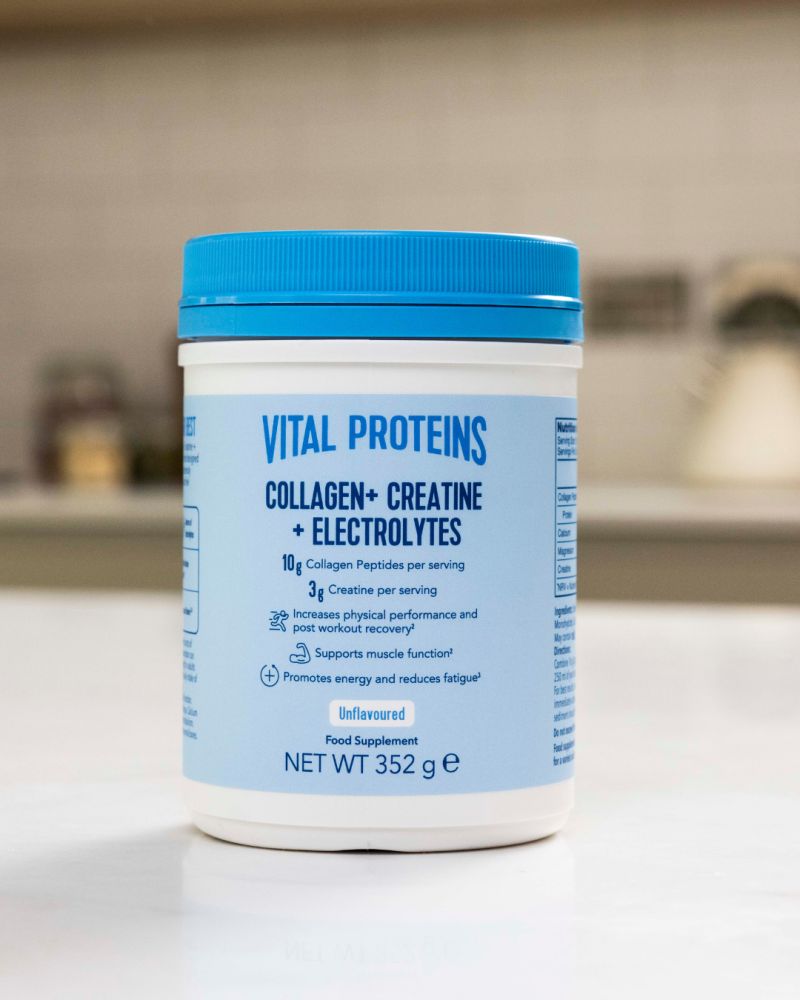
Vital Proteins has launched Collagen + Creatine + Electrolytes in the UK, bringing together several increasingly mainstream wellness ingredients in one daily powder. Each 16g serving provides 10g of collagen peptides, 3g of creatine, 160mg of calcium and 84mg of magnesium. The unflavoured format is designed to mix easily into existing routines, including coffee, smoothies and post-workout drinks.
The launch reflects the continued blurring of beauty, active nutrition and healthy-ageing supplements. Creatine, in particular, is moving beyond its traditional association with bodybuilding and sports performance, while brands are bundling it with collagen and electrolytes to offer consumers a more convenient multi-benefit proposition. Vital Proteins Collagen + Creatine + Electrolytes is available exclusively through Holland & Barrett online and across 400 UK stores.
Southeast Asia has seen a growing wave of creatine monohydrate powders, largely driven by smaller supplement brands.
Could creatine make the jump from powder to the drinks fridge?
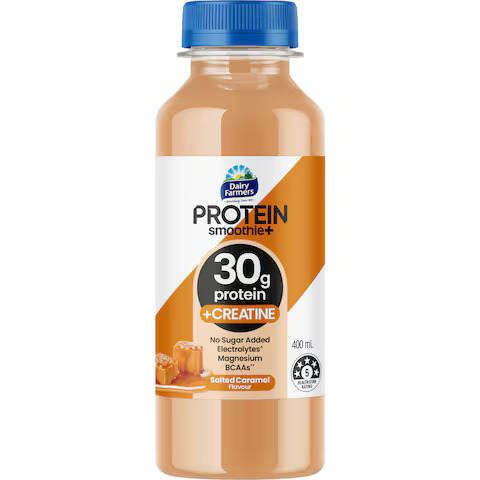
The next evolution could be taking these multi-benefit formulations beyond powders and into ready-to-drink products. Australia is already providing an example: Dairy Farmers has extended its Protein Smoothies range with a Salted Caramel with Creatine variant, combining 30g protein, 1g creatine, electrolytes and magnesium in a 400ml RTD dairy drink.
However, moving creatine into RTD formats creates a formulation challenge that powders largely avoid. Creatine is less stable once dissolved in water and can gradually convert into creatinine, with degradation particularly affected by pH, temperature and storage time. This means brands developing shelf-stable creatine drinks need to consider whether an efficacious amount of creatine can be maintained throughout the product’s shelf life, rather than simply adding creatine as a front-of-pack selling point.
For Southeast Asia, the opportunity will therefore be about more than following protein’s journey from tubs and powders into convenient RTDs. As creatine becomes more mainstream, brands could bring it into dairy drinks, functional beverages and other grab-and-go formats, but credible formulations will need to demonstrate that creatine remains stable at an effective dose throughout shelf life. Otherwise, creatine risks becoming more of a marketing cue than a meaningful functional benefit.