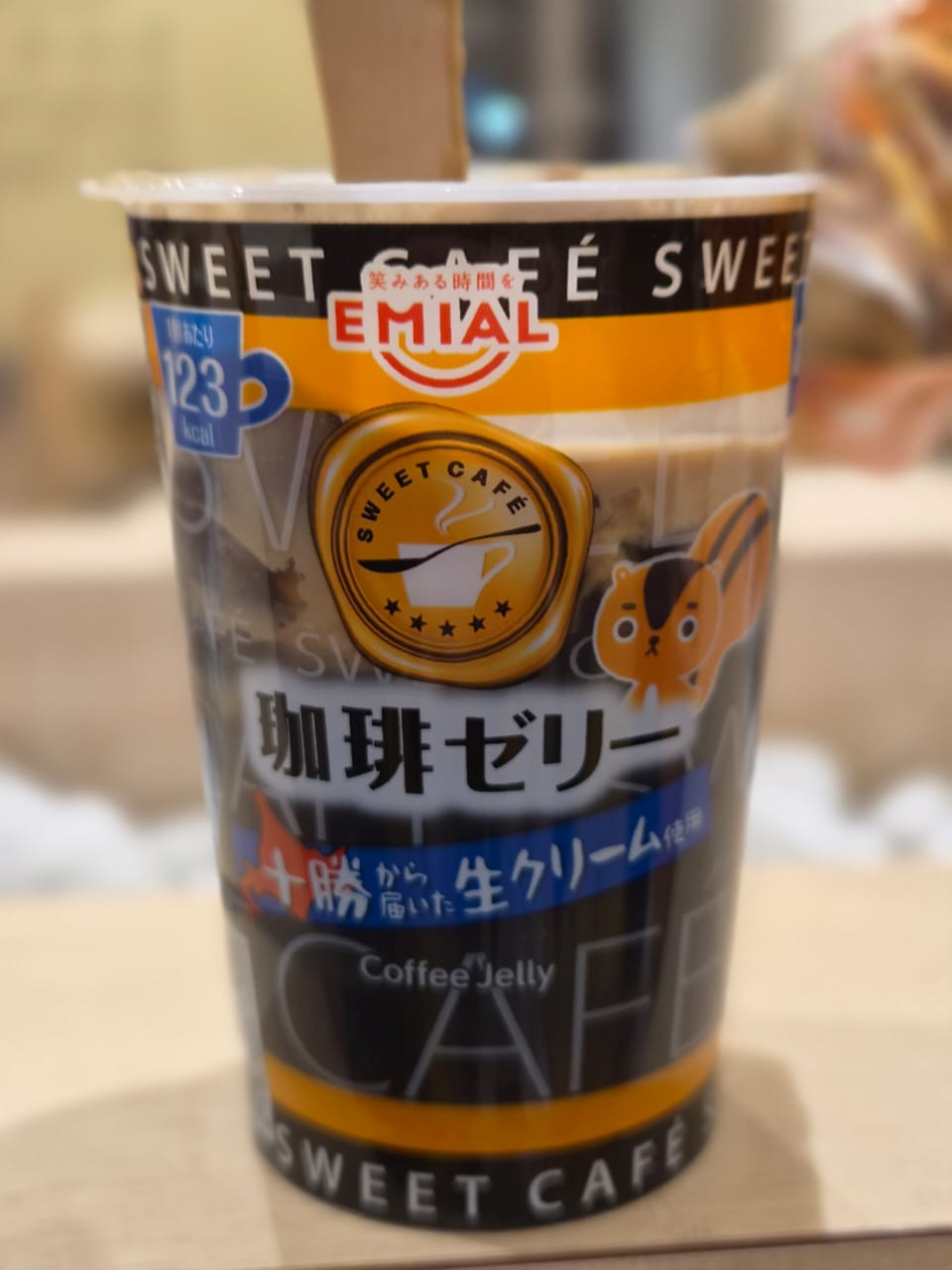
Coffee jelly is hardly a new concept in Asia. In Japan, it has long been enjoyed as a dessert in cafés, convenience stores and supermarkets. Indonesia has also embraced coffee jelly, often using it as a topping in iced coffee milk drinks, lattes and dessert beverages such as Nutrijell instant coffee-flavored jelly dessert powder and Tora Cafe Kopi Jelly.
The more interesting question is whether coffee jelly can gain traction in other Southeast Asian markets, particularly as a refrigerated dessert drink rather than simply a coffee topping or as a jelly.
Traditionally, coffee jelly succeeded in Japan because it offered something familiar and novel at the same time. Consumers could enjoy the flavour of coffee in an entirely different format, creating a sensory experience that felt indulgent without being overly heavy. However, what was once a uniquely Japanese product increasingly aligns with several trends emerging across Southeast Asia.
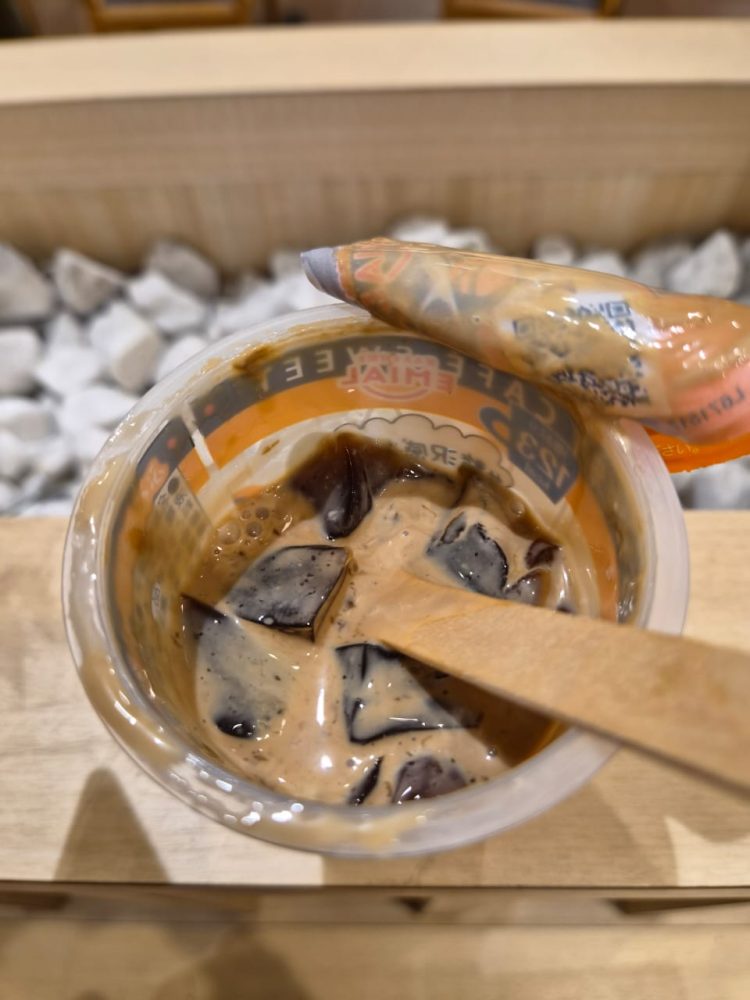
Why Southeast Asia could be ready
This means the hurdle is no longer convincing consumers to drink texture. Instead, the challenge is introducing a new flavour and experience.
Coffee jelly also sits at the intersection of two attractive trends:
- Coffee culture, which continues to expand across Southeast Asia.
- Affordable indulgence, as consumers seek small, everyday treats rather than expensive luxuries.
Unlike traditional coffee beverages, coffee jelly offers a more playful and multisensory experience, making it particularly attractive to younger consumers.
The opportunity isn’t coffee jelly alone
The biggest opportunity may not be selling coffee jelly as a standalone dessert.
Instead, brands could reposition it as a refrigerated dessert-drink, combining coffee jelly with milk, cream, plant-based alternatives or functional ingredients.
Potential formats include:
- Coffee jelly latte drinks
- Mocha jelly beverages
- Brown sugar coffee jelly drinks
- Protein coffee jelly shakes
- Low-sugar coffee jelly beverages
- Coffee jelly and coconut milk combinations
These formats would better align with how Southeast Asian consumers already consume beverages and snacks.