
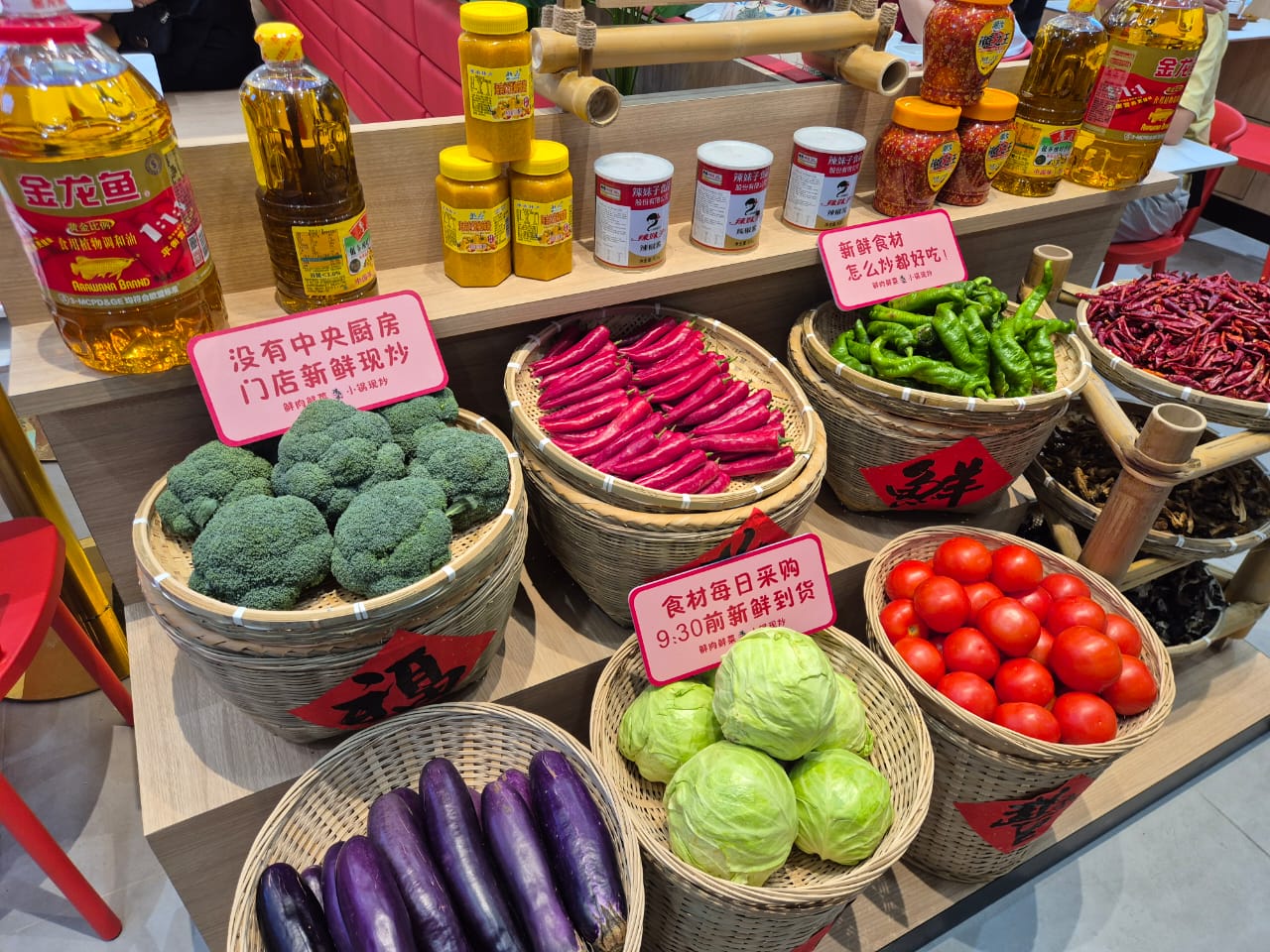
Chinese foodservice operators are embedding themselves ever more deeply into Southeast Asia’s culinary landscape, with Malaysia, Singapore, and Thailand emerging as key hubs. Their expansion abroad is driven not only by the search for new growth opportunities but also by mounting competitive pressures in the domestic market, making Southeast Asia a natural arena for their next phase of development.
Historical ties provide the foundational basis
Historically, the region maintains strong ties with China, owing to a sizable ethnic Chinese population originating mainly from southern China. As a result, Chinese cuisine—predominantly southern regional styles—has become a permanent fixture in Southeast Asian food culture.
Across Southeast Asia, staple dishes such as lumpia, siopao, pancit, siomai and taho in the Philippines, along with bakso in Indonesia, illustrate the enduring influence of Chinese culinary traditions in the region.
Waves of Chinese culinary influence
Subsequently, Hong Kong and Taiwanese cuisines entered the region, with Hong Kong‑style cha chaan teng offerings and Taiwanese street foods enriching and diversifying local food culture. However, these foods have had only a limited influence on the broader Southeast Asian culinary landscape. By contrast, Taiwanese milk tea culture has exerted a far stronger influence on the Southeast Asian food and beverage scene.
The recent expansion of Chinese regional cuisines into Southeast Asia coincides with the growing influx of Chinese tourists, students and migrant workers from across China into key markets such as Singapore, Malaysia and Thailand. The mala trend, in particular, first gained traction in Singapore, a popular destination for Chinese nationals, before spreading more widely across the region. Moreover, Southeast Asians are travelling to China in greater numbers, where they are exposed to a wider range of regional Chinese cuisines during their visits. Naturally, many would like to have the same culinary experiences they enjoyed during their travels in China.
Regional Chinese cuisines with strong Muslim heritage, particularly those from Northwestern provinces such as Xinjiang, Ningxia, and Gansu, are increasingly shaping the spread of Chinese food traditions into Muslim‑majority markets in Southeast Asia. In countries like Malaysia and Indonesia, these halal‑based offerings such as noodles, dumplings and skewers resonate strongly, with Malaysian Muslim consumers proving especially receptive.
Regional Chinese cuisines driving the latest wave
The latest wave of regional Chinese cuisines has flourished in Southeast Asia by building on consumers’ established familiarity with Chinese food traditions, a foundation originally shaped by southern Chinese culinary influences. Spicy regional varieties such as mala resonate strongly with local palates, satisfying the growing demand for diverse, heat‑driven flavour experiences. Other savoury dishes, such as sauerkraut fish, further broaden the range of offerings and are eagerly embraced by consumers.
COVID is a watershed
During the COVID‑19 period, border closures intensified Southeast Asian consumers’ longing for foods they could no longer access through travel. Chinese specialty grocers such as Mix.com.my (Malaysia) proliferated in Southeast Asia during this period, stepping in to meet the demand for imported Chinese food products, exposing Southeast Asians to the wide range of flavours.
In the post‑COVID period, weakening consumer sentiment in China has compelled many Chinese foodservice operators to pursue expansion opportunities abroad. Southeast Asia has emerged as a particularly attractive destination, given its large ethnic Chinese communities, established familiarity with Chinese food traditions, and consumers’ growing appetite for bold, regional flavours.
Key factors behind the success of Chinese foodservice operators in local Southeast Asian markets?
Chinese foodservice operators are gaining traction on perceived value, as medium‑ to upper‑priced brands frequently offer generous discounts. Many replicate competitive pricing strategies familiar from China, such as stored‑value schemes, to strengthen customer loyalty and drive repeat visits.
Beyond pricing, these operators also focus on ambience, introducing themed restaurants that blend cultural elements with cuisine to create an immersive and delightful dining experience.
The diversity of dishes drawing on China’s rich regional culinary heritage—from fiery spice to hearty savoury flavours—transforms consumption into a journey of flavour exploration.
For foodservice beverage chains, strong value propositions—particularly low pricing—have been central to success. Brands like Mixue, along with other Chinese operators, have effectively captured the low‑ to mid‑tier market by positioning themselves as affordable yet accessible options.
In contrast, mid‑ to upper‑tier players such as Luckin Coffee and Chagee are reshaping the landscape, elevating consumption experiences through a fusion of aesthetics, technology and taste.
Localisation drives the next phase of growth
Regional Chinese cuisines are here to stay, much like the first wave of Chinese culinary influence. With distinctive traditions from across China, they continue to enrich Southeast Asia’s diverse tapestry of flavours.
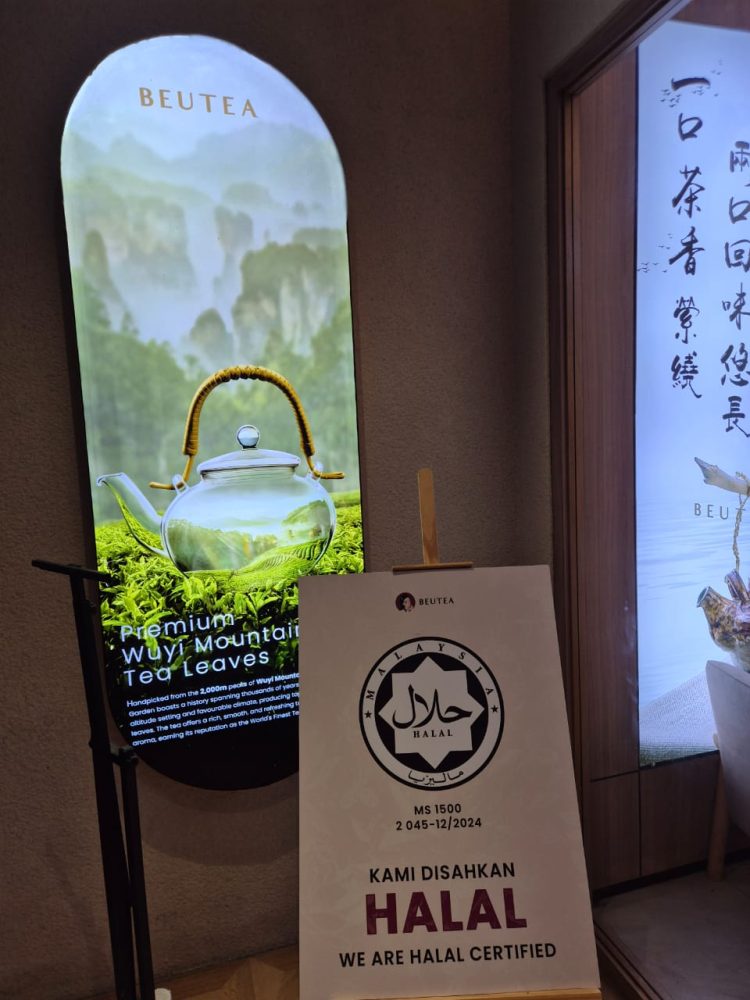
To win the hearts of local consumers, Chinese foodservice operators must localise both their operations and marketing strategies. At the same time, they face growing competition from Southeast Asian players who are adapting and reinterpreting successful Chinese concepts, transforming them into distinctive offerings of their own. In Malaysia, Beutea is carving out a niche with its modern take on Chinese‑style tea drinks, while Ai‑Cha in Indonesia has successfully scaled its milk tea business across regional and global markets. In packaged foods, SunSu Mala Muek Groob Konjac Jelly is leading the charge in Thailand, spearheading the trend for Chinese‑inspired spicy konjac snacks.
Local Southeast Asian players are also diversifying their menus with Chinese‑inspired regional cuisines, ensuring they remain aligned with evolving consumer tastes and culinary trends. Incorporating mala‑inspired dishes or even sauerkraut is relatively straightforward, as operators simply need access to sauces that are already widely available for foodservice applications.
The future of Chinese foodservice influence will unfold in successive waves, marked by adaptation and localisation.