UNGCMBC Sustainability Impact Case Study highlights how Malaysia’s largest electric logistics fleet is advancing lower-carbon last-mile delivery, improving fleet efficiency and strengthening sustainable logistics in Malaysia
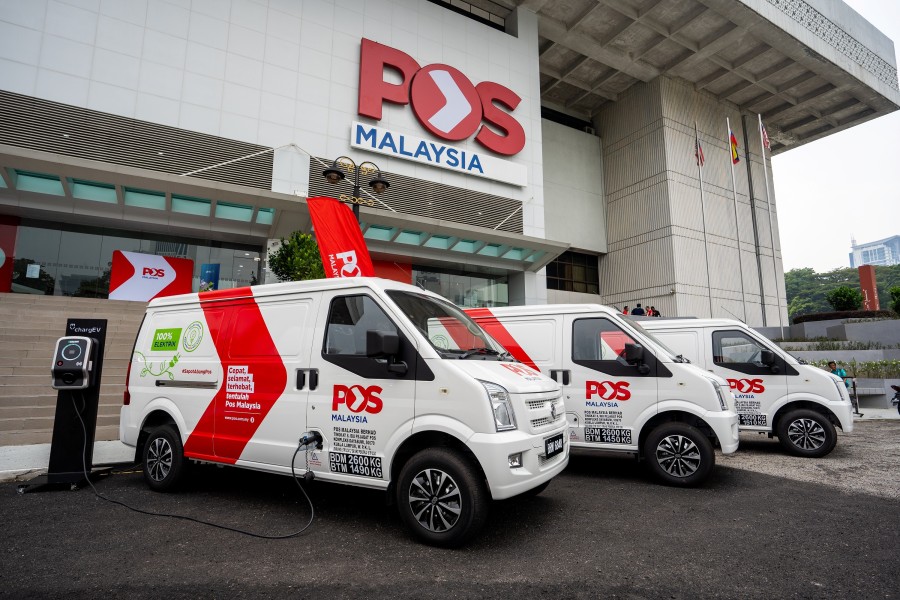
KUALA LUMPUR, 22 September 2026 – Pos Malaysia Berhad (“Pos Malaysia”), the national postal and parcel service provider, is now delivering one in three parcels by electric vehicle, marking a major step in the national post and parcel provider’s move to lower-carbon last-mile delivery at scale. With 1,585 electric vehicles operating across Peninsular Malaysia, Sabah and Sarawak, Pos Malaysia now runs Malaysia’s largest electric logistics fleet, showing how greener delivery is becoming part of everyday parcel delivery nationwide.
For customers and businesses, this means access to greener parcel delivery without changing the way they send or receive parcels. With one in three Pos Malaysia parcels now delivered by electric vehicle, everyday deliveries are increasingly supported by a cleaner, smarter and more efficient network — helping reduce the carbon footprint of their logistics choices while maintaining the nationwide reach and convenience they rely on. Pos Malaysia now operates 1,253 electric motorcycles and 332 electric vans across Peninsular Malaysia, Sabah and Sarawak. Since 2023, the fleet has travelled 28.8 million kilometres, reflecting the scale at which Pos Malaysia is embedding lower-carbon delivery into its national network.
Pos Malaysia’s fleet electrification programme shows how sustainable logistics in Malaysia can move from ambition to execution. By combining electric vehicles, telematics and network optimisation, the company is scaling lower-carbon last-mile delivery while improving fleet efficiency and operational resilience across its national network.
Key Facts at a Glance
- Malaysia’s largest EV logistics fleet, comprising 1,253 electric motorcycles and 332 electric vans
- Nationwide EV delivery coverage across Peninsular Malaysia, Sabah and Sarawak
- 28.8 million kilometres travelled by the EV fleet since 2023
- Equivalent to approximately 719 trips around the world
- One in three parcels delivered by electric vehicles, supporting lower-carbon last-mile delivery
- 3,881 tonnes of CO₂e emissions avoided since 2023 through fleet electrification
- More than 2,200 telematics-enabled vehicles supporting route optimisation, driver safety and fleet efficiency
- Supporting Pos Malaysia’s ambition of 100% green deliveries by 2030 and Net Zero by 2050
The results are featured in a Sustainability Impact Case Study developed with the United Nations Global Compact Network Malaysia, Brunei and Cambodia (UNGCMBC) which examines how Pos Malaysia is combining vehicle electrification, charging infrastructure, telematics, capital planning and workforce readiness to transform its nationwide delivery network.
More than 2,200 vehicles are equipped with telematics technology, giving Pos Malaysia operational data to improve route efficiency, driver safety, fleet utilisation and continuous performance improvement. The transition has also helped the company avoid approximately 3,881 tonnes of CO₂e emissions since 2023.
“At Pos Malaysia, fleet electrification is a key part of our sustainability and decarbonisation journey. Today, we operate Malaysia’s largest electric fleet, delivering mail and parcels across the country,” said Charles Brewer, Group Chief Executive Officer of Pos Malaysia Berhad.
“The significance goes beyond the vehicles themselves. Fleet electrification directly supports our ambition to achieve 100% green deliveries by 2030 and is an important part of our broader pathway to reducing our operational carbon footprint and achieving Net Zero by 2050. Our priority now is to keep scaling what works — integrating the vehicles, associated infrastructure, data and people to make lower-carbon delivery the core of how we operate.”
As parcel demand and customer expectations continue to evolve, Pos Malaysia is using fleet electrification and operational data to build a smarter, cleaner and more resilient logistics network that supports lower-carbon delivery at national scale.
The Pos Malaysia Sustainability Impact Case Study is available as a free download via the United Nations Global Compact Network Malaysia, Brunei and Cambodia (UNGCMBC) website.
Stay connected with Pos Malaysia via www.pos.com.my, or follow us on Facebook, X, Instagram, TikTok, YouTube and LinkedIn.