Eight Young Food Content Creators To Follow

Kuala Lumpur, April 04, 2022 – Looking for healthy, creative and tasty recipes from the next generation of content creators? Follow these eight young #AyamFutureCreator program winners for a fresh perspective on food made with love and Ayam Brand products.
The #AyamFutureCreator program was introduced as part of the Ayam Brand Community Care Campaign 2021 that supports healthier diets based on the Malaysian Healthy Plate (#SukuSukuSeparuh) concept. Ayam Brand provided two-months’ supply of its healthy, convenient and tasty products to 32 charity homes nationwide and a specially curated content creation starter kit. The Ayam Brand team, dietitians from KPJ Damansara Hospital and content creator Arianna Natasha guided and mentored teams from each of the homes on nutrition, health and developing engaging content over an eight-week program.
Finalists from 21 teams were selected from more than 100 participants. Future creators were shortlisted based on their 1 to 3 minute video content submission. Judges from Ayam Brand, KPJ Damansara Hospital dietetics team and Arianna Natasha evaluated the healthfulness and creativity of the recipes, food preparation and presentation, content and video flow, production and cleanliness.
At state level all teams received certificates of participation, while the top three teams received trophies. For the finals, the top eight teams received a total of RM6,000 in Perbadanan Tabung Pendidikan Tinggi Nasional (PTPTN) SSPN saving plans.
“Congratulations to all future creators for stepping out of their comfort zones and taking on the role of content creators from being content consumers. Ayam Brand is proud to provide this platform to encourage healthier eating habits and better nutrition choices, providing access to experts in nutrition and content creation as guides and mentors to spark new livelihood ideas among these talented children,” says Ayam Brand™ General Manager Ms Chin Lee Foon.
“The children were very receptive and curious about nutrition. While their daily diets tend to be carbohydrate heavy, sharing the Malaysian Healthy Plate #SukuSukuSeparuh concept is helping them make better nutrition choices. Glad to see that they practiced the balanced diet in their videos. Many recipes were well-balanced and simple enough for children their age to prepare. Parents who want to encourage their kids to learn some creative and healthy recipes can use these as a resource. We are proud to have mentored these future content creation stars!” shares Ms Boh Shi Hui, Dietitian at KPJ Damansara Specialist Hospital.
“Well done to all the teams. Content creation requires creativity, time, effort and skills. During the mentoring sessions, they are very interested in the technical aspects of creating content, however they need to balance the technical side with more creative ideas. Keep pushing yourselves to excel, guys!” Arianna Natasha says.
What were the balanced meals prepared by these future content creators? Head to each of the home’s social media accounts to find out, support their videos and passion for cooking by giving them a like, comment, and share on their page. Show them your love!
Here are the list of future content creators to follow:

Group 2 from Pusat Kebajikan Care Haven Bhd., Johor with their recipe of Tuna Salad. Nicholas Hiew, 15, was overjoyed with the win, “We are so happy to be first placed and truly appreciate the RM2,000 PTPTN saving plan prize for our team. We love to cook and always help in the kitchen. Joining the #AyamFutureCreator program has taught us how to edit videos and craft social media content. We’re more confident now, and plan to post more often. Maybe even start our own YouTube channel. Thank you so much and remember to like and follow us!”
Check their video at:
https://www.facebook.com/watch/?v=416051880322261&ref=sharing
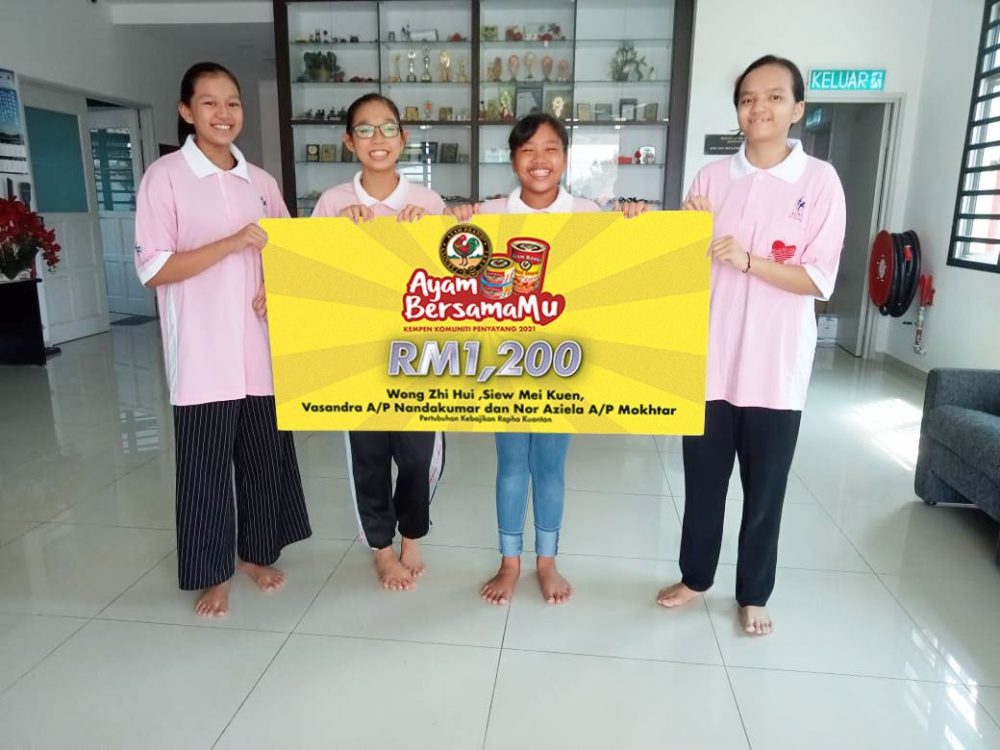
Pertubuhan Kebajikan Rapha Kuantan, Pahang came in second winning RM1,200 in PTPTN saving plans for their team of four. Their recipe for Spaghetti Tuna had an East Coast spin to it. Vasandra, 13 “We are blessed to join the #AyamFutureCreator video competition and coming in second! Content creation is not easy but I enjoy it. Big thanks to Ayam Brand, KPJ Damasara dietitian team and Kak Ary for the mentorship and guidance. #AyamWithYou always!”
View their content at
https://www.facebook.com/watch/?v=698098221363322&extid=CL-UNK-UNK-UNK-AN_GK0T-GK1C&ref=sharing
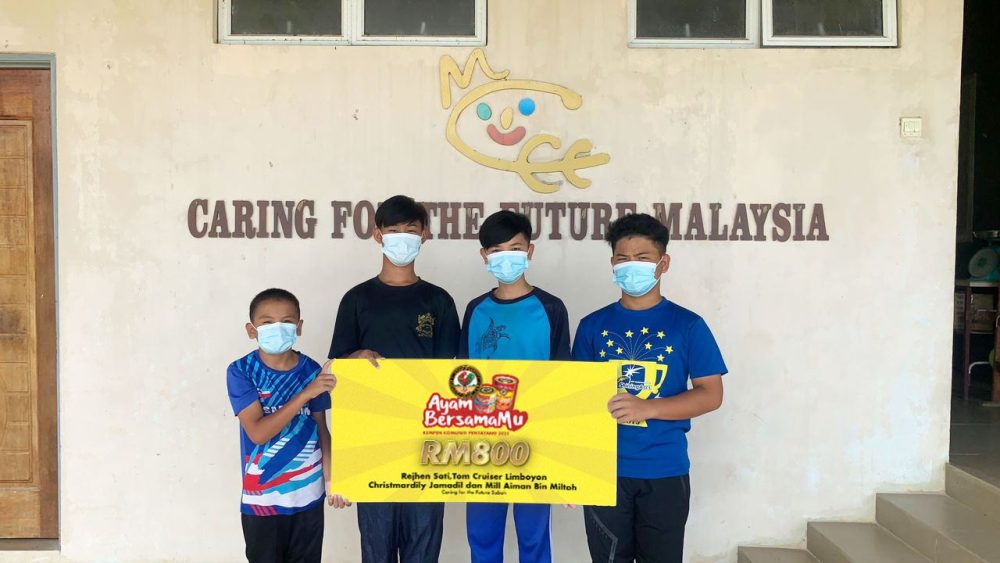
The team from Caring for the Future (Malaysia) Bhd from Sabah were third with their recipe of Baked Beans with Cabbage and Egg. The team of four won RM800 in PTPTN saving plans.
Instagram page:
https://www.instagram.com/tv/CbcECjGj7gD/?utm_medium=copy_link
Group 1 from Persatuan Kebajikan Kanak Kanak Yatim Rumah Visi (Vision Home) Ipoh, Perak received a consolation prize of RM400 in PTPTN saving plans for their team of four. Their recipe was for Saba Fish Cake.
How did they do?
https://www.facebook.com/VisionHomeIpoh/videos/381032706934098/
Pertubuhan Kebajikan Anak Yatim dan Asnaf Kelantan received a consolation prize of RM400 in PTPTN saving plans for their team of four for a Spicy Tuna Spaghetti.
Show them some love
https://www.facebook.com/watch/?v=488001542989806&extid=CL-UNK-UNK-UNK-AN_GK0T-GK1C&ref=sharing
Pertubuhan Kebajikan dan Bimbingan At Taqwa, Selangor received consolation prize of RM400 in PTPTN saving plans for their team of four for their take on Healthy Breakfast Platter.
Check them out
https://www.facebook.com/235517366489661/videos/503332968179722/
Lighthouse Children Welfare Home Assoc., KL & Selangor received consolation prize of RM400 in PTPTN saving plans for their team of four. Their recipe was for Sausage Bun, Tuna Salad and Yellow Curry.
Find them here:
https://www.facebook.com/lighthousewelfare/videos/358343849545842/
Pusat Jagaan Hajjah Fatimah Abdullah received consolation prize of RM400 in PTPTN saving plans for their team of two. They whipped up Tuna Gimbap.
Discover their skills at
https://www.facebook.com/baitulsakinah/videos/1112342235993787/
The Ayam Brand Community Care Campaign which is in its fourteenth year has contributed more than 2 million healthy meals to more than 25,000 people from 539 charity homes and NGOs.
Ayam Brand emphasizes the contribution of its canned fish products as many charity homes lack regular access to fish such as tuna and saba that are a good source of Omega-3, which is an essential fatty acid that our body cannot produce. Omega-3 may help to prevent coronary heart disease, promote healthy nerve activity, improve vitamin absorption, maintain a healthy immune system and promote cell development. Omega 3 is also important in the development of vision and brain among children.
To find out more about the #AyamBersamaMu CSR campaign and #AyamFutureCreator program visit https://www.ayambrand.com.my or join https://www.facebook.com/ayambrandmalaysia.




 Joey Yap, 22