Home Blog Page 717

43% of businesses don’t protect their full IoT suite

2 March 2022

A recent Kaspersky report, “Pushing the limits: How to address specific cybersecurity demands and protect IoT”, revealed that in two-in-five businesses (43%), some parts of their IoT infrastructure are yet to have any protection. Meanwhile, the main barrier for implementation of many businesses’ IoT projects is the risk of cybersecurity breaches and data compromises.

According to IoT Analytics, the global number of connected IoT devices is expected to grow 9%, reaching 27 billion IoT connections by 2025. With that dramatic rise in connected devices also comes an increased need for security. In fact, Gartner highlights that, in the past three years, nearly 20% of organizations have already observed cyberattacks on IoT devices in their network.

While two thirds of organizations (64%) globally use IoT solutions, 43% don’t protect them completely. This means that for some of their IoT projects – which may be anything from an EV charging station to connected medical equipment – businesses don’t use any protection tools.

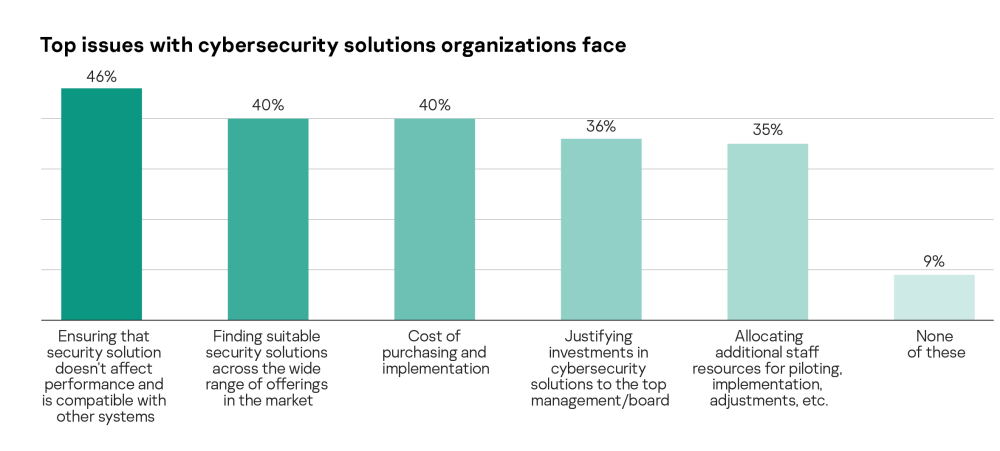
The reasons behind this may be due to the great diversity of IoT devices and systems, which are not always compatible with security solutions. Almost half of businesses fear that cybersecurity products can affect the performance of IoT (46%) or that it can be too hard to find a suitable solution (40%). Other common issues businesses face when implementing cybersecurity tools are high costs (40%), being unable to justify investment to the board (36%) and lack of staff or specific IoT security expertise (35%).
Furthermore, cybersecurity risks are seen by more than half of organizations (57%) as the main barrier to implementing IoT. This can occur when companies struggle to address cyber-risks at the design stage and then have to carefully weigh up all pros and cons before implementation.

Cybersecurity must be front and center for IoT. Managing risk is a major concern as life, limb and the environment are at stake. An IT error can be embarrassing and expensive; an IoT error can be fatal. But cybersecurity is only one part of making a system trustworthy. We also need physical security, privacy, resilience, reliability and safety. And these need to be reconciled: what can make a building secure, (locked doors for example), could make it unsafe if you cannot get out quickly,” comments Stephen Mellor, Chief Technology Officer at Industry IoT Consortium.

IoT projects are very fragmented, loosely-coupled, domain-specific and integration-heavy in nature. In comparison, IT projects such as messaging/communication, analytics, CRM, etc., have around 80% of common requirements. In the case of IoT implementation, however, we have to deal with all kinds of legacy systems, physical constraints, domain protocols, multiple vendor solutions, etc., and maintain a reasonable balance in availability, scalability and security. In pursuit of higher availability and scalability, certain cloud infrastructure has to be leveraged, the system has to be open to some extent, then security becomes an enormous challenge,” comments Eric Kao, Director, WISE-Edge+ of Advantech, a global vendor of industrial IoT solutions.

Despite all these challenges, IoT brings fantastic opportunities not just to businesses but to all of us, enabling comfortable living, transport, faster delivery and communications. IoT is widely used in smart cities (62%), retail (62%) and industry (60%). These include projects such as energy and water management, smart lighting, alarm systems, video surveillance and many more. Experts around the world are working on the task of effective protection for such projects but efforts should be made at every level – from equipment manufacturers and software developers to service providers and companies that implement and use these solutions,” adds Andrey Suvorov, CEO at Adaptive Production Technology (Aprotech, Kaspersky’s subsidiary IIoT company).

To help organizations fill the gaps in their IoT security, Kaspersky suggests the following approaches:

  • Assess the status of a device’s security before implementing it. Preferences should be given to devices with cybersecurity certificates and products from manufacturers who pay more attention to information security.
  • Use a strict access policy, network segmentation and a zero-trust model. This will help minimize the spread of an attack and protect the most sensitive parts of the infrastructure.
  • Adopt a vulnerability management program to regularly receive the most relevant data about vulnerabilities in programmable logic controllers (PLCs), equipment and firmware, and patch them or use any protection workarounds.
  • Check the “IoT Security Maturity Model” – an approach that helps companies evaluate all steps and levels they need to pass to achieve a sufficient level of IoT protection.
  • Use a dedicated IoT gateway that ensures the inbuilt security and reliability of data transferring from edge to business applications, such as Kaspersky IoT Secure Gateway 100. It is Cyber Immune, which means almost no attack can affect the gateway’s functions.

The full report, “Pushing the limits: How to address specific cybersecurity demands and protect IoT”, is available to download here.

About Kaspersky

Kaspersky is a global cybersecurity and digital privacy company founded in 1997. Kaspersky’s deep threat intelligence and security expertise is constantly transforming into innovative security solutions and services to protect businesses, critical infrastructure, governments and consumers around the globe. The company’s comprehensive security portfolio includes leading endpoint protection and a number of specialized security solutions and services to fight sophisticated and evolving digital threats. Over 400 million users are protected by Kaspersky technologies and we help 240,000 corporate clients protect what matters most to them. Learn more at www.kaspersky.com.

foodpanda Welcomes More New Partners on foodpanda Shops

A Combination Of Grocery Stores, Pharmacies, Opticians And More

Malaysia, March 2, 2022 – foodpanda Malaysia today announced the availability of more new partners on foodpanda Shops to meet the growing demands of customers and have their essentials delivered right to their doorstep. These new additions will further expand the existing variety available and include a combination of grocery stores, pharmacies, opticians, beauty and fashion outlets, stationery shops and more.

Commenting on this exciting new announcement, Afzan Lutfi, Director of New Verticals said that the main goal is to create a single platform where users can place orders for their food, daily essentials such as groceries, medical and stationery supplies as well as beauty and fashion apparel. “We are constantly looking at ways and opportunities to enhance customer experience and provide them with a wide variety of options and convenience at their fingertips. This includes a seamless transaction from the time the order is placed right up to the delivery at their doorstep.”

“In recent months, we have witnessed a steady increase in orders placed on our platform, hence we felt that this is the most ideal time to introduce more variety to our users. Moving forward, we hope to be able to partner with more partners and continue to cement our position as the top delivery platform in Malaysia,” he added.

Some of the new brands introduced include Everrise, one of the largest and fastest growing supermarket chains in Sarawak, as well as IKEA and Focus Point. Besides that, users would also be able to purchase items from MIWA OLi, Shojikiya, myNEWS, Pet Lovers Centre and Sox World.

The excitement does not just end there. Hairdepot, Big Bath, Big Pharmacy, CHOIS, Sam’s Groceria, Petronas Mesra, ST Rosyam, Agni Gaming, BORDERS, Bee Cheng Hiang, Homecareshop, Sunlight Pharmacy KK, Lee’s Fandbee and AM PM Pharmacy are among the other partners are now available on foodpanda shops.

Both new and existing foodpanda users can enjoy these deals to celebrate and welcome these new partners:

From 1st to 31st March 2022, use promo code JOMSHOP to get 30% off (capped at RM8)  with a minimum order value of RM25. Valid for both new and existing customers. While stocks last. T&C apply.

Get RM15 off with a minimum order value of RM70 with promo code SHOPBIG between 1st to 31st March 2022. Valid for both new and existing customers. While stocks last. T&C apply.

Tealive opens in Manila, plans 30 outlets by end-2022

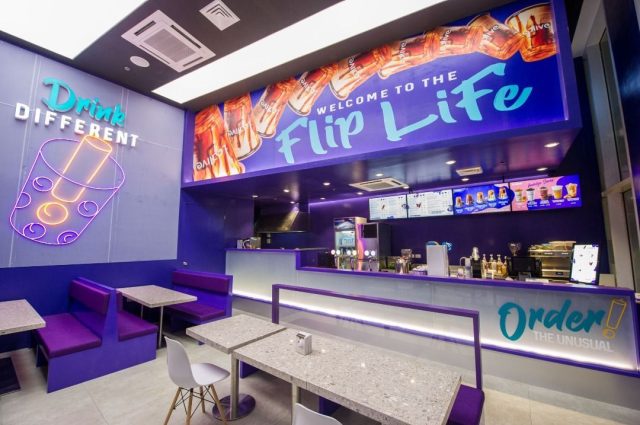
Image by Loob Holding Sdn Bhd

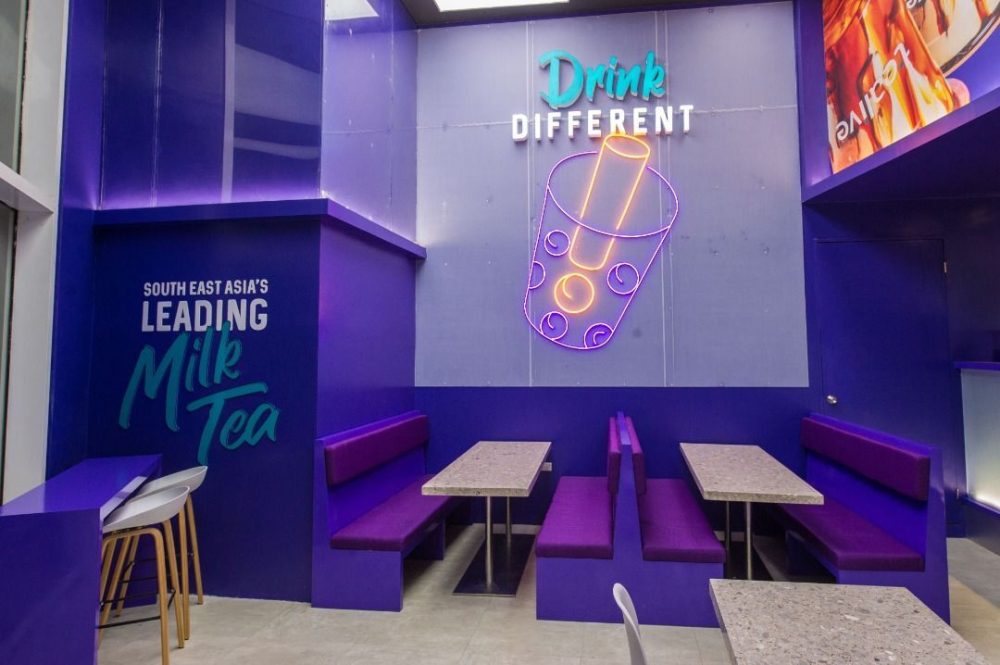
Tealive has officially opened its first store in Manila, the capital of the Philippines. Located at SM Jazz Mall in Makati City, Tealive from Malaysia plans to open 30 outlets in the country by the end of 2022. It also aims to introduce the Tealive app in April 2022.

Image by Loob Holding Sdn Bhd

Apart from the Aren Palm Sugar Series, Tealive is also paying homage to Filipino taste with the Indulge Series featuring the use of toppings like Salted Caramel, Oreo and Lotus Biscoff.

Tealive first opened in Ilocos Norte in 2020.

7-Eleven Philippines is in the election mood

7-Eleven Philippines is in the election mood. Get ready to #SpeakCUP freely with Gulp and City Cafe starting 9 March 2022. This comes as the 2022 Philippine presidential and vice presidential elections will be held on 9 May 2022, as part of the 2022 general election.


Trans Retail, Bukalapak to launch online grocery platform AlloFresh

Trans Retail Indonesia, which operates TRANSMart, has teamed up with PT Bukalapak.com and Growtheum Capital Partners to launch a grocery shopping platform called AlloFresh.

AlloFresh offers over 150,000 SKUs and provides delivery within 3 hours with the quick commerce feature boasting the ability to deliver as quick as 30 minutes across the country.

The launch of AlloFresh will help strengthen Bukalapak’s position as the online-to-offline (O2O) platform in Indonesia. Bukalapak will also provide the needed technology.

Latest Tipco ABC Juice contains three superfoods popular in South Korea to improve skin

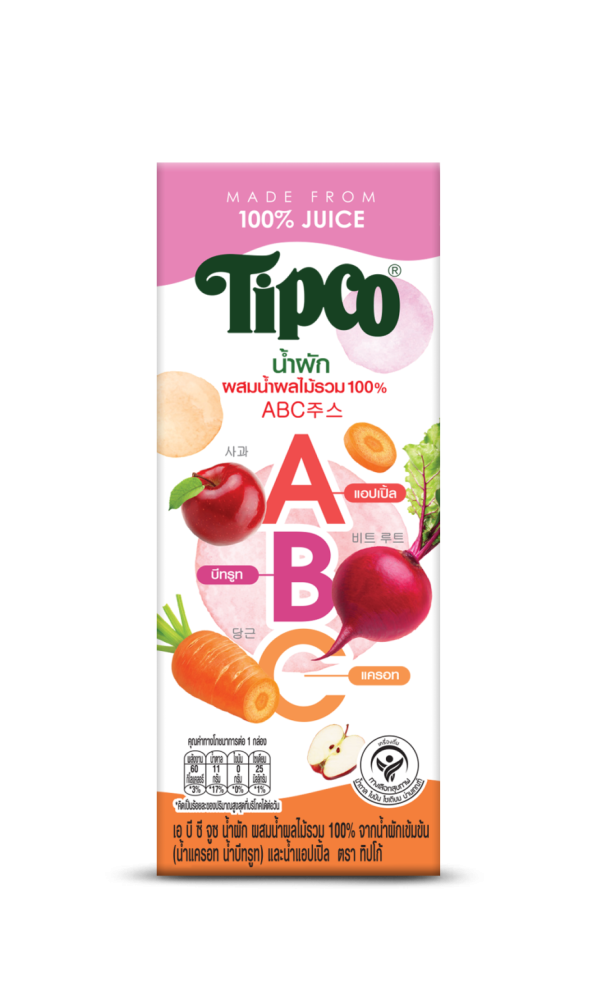
Thailand’s juice company Tipco has introduced Tipco ABC Juice featuring the popular beauty recipes of Korean women. The new 100% juice drink taps into the K-food trend. Consumers can improve their skin complexion by drinking Tipco ABC Juice made from three superfoods popular in South Korea namely apple, beetroot and carrot.

  • A – Apples are rich in dietary fiber. Help the stomach and aid in excretion
  • B – Beetroot is rich in antioxidants and substances that help blood vessels to expand, making the skin shine bright
  • C – Carrots are a great source of important nutrients including beta-carotene, fiber, vitamin K, potassium and antioxidants.

Tipco ABC Juice (180ml) comes with the healtheir choice logo. It is available at 7-Eleven for a price of THB 18.

Jele Beautie maker SNNP to set up unit in Indonesia to manufacture jelly products locally

Srinanaporn Marketing Public Company Limited (SNNP) has received the approval from its board of directors for the setting up of a subsidiary to operate the business of manufacturing and distributing products under the company’s brand in Indonesia.

SNNP International Company Limited will hold a 85% share in the proposed unit, which is still unnamed, while the partner will have the remaining 15% share. SNNP, which makes Jele, Bento and “Lotus” chicken leg snack, is currently in talks with the partner.

The registeration date of the new entity is expected in September 2022. SNNP plans to set up a factory in Indonesia to make jelly products with commercial operation to start in Q1, 2023.

SNNP currently mainly sells Jele Beautie in Indonesia and positions the drink with collagen and vitamin C to improve skin complexion and enhance the body’s immunity. Jele Beautie is currently sold in Indonesia’s biggest minimarket chain Indomaret. The company registered a 77% year-on-year growth in sales in Indonesia in 2021.

In another development, SNNP is expected to commision its factory in Binh Duong, Vietnam in July 2022. The new factory will produce Jele Chewy, Jele Beautie and Lotus in phase one. Bento will be made in Phase 2.2 commissioning in Q3, 2023.


ATLAS VENDING, OKU SENTRAL, KPJ HEALTHCARE PILOT ACCESSIBLE VENDING MACHINES

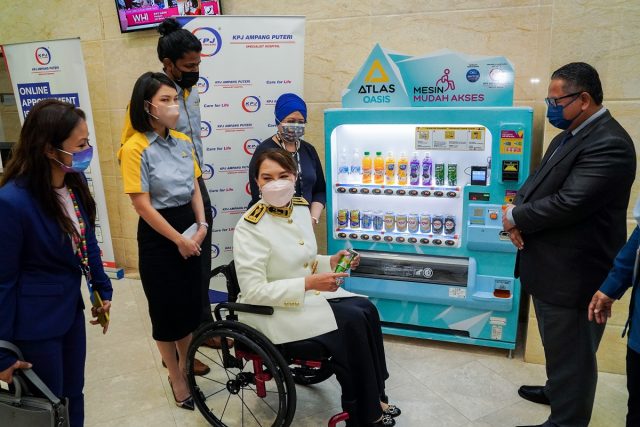
L-Right: KPJ Healthcare Berhad Deputy General Manager (Group Strategic Communications) Juliana Jamaluddin, ATLAS Vending Head of Marketing & Ancillary Business Amy Gan, ATLAS Vending CEO Santharuban Thurai Sundaram, KPJ Healthcare Berhad Corporate Manager Noor Hafizan Mohd Noor, YB Senator Ras Adiba Radzi (front), CEO KPJ Ampang Putri Muhammad Badri Hussin (far left)

ATLAS Vending now capable of making retail points accessible to 41.4% of persons with disabilities in Malaysia

KUALA LUMPUR, 1 March: ATLAS Vending, in collaboration with OKU Sentral rolled out Malaysia’s first series of Accessible Vending Machines today, with KPJ Healthcare Berhad (“KPJ Healthcare”) as an exclusive hospital partner for the launch, which will see the Accessible machines available at selected KPJ hospitals, Pusat Daya Klang and Pusat Latihan Perindustrian dan Pemulihan Bangi.

Launched in conjunction with International Wheelchair Day today, the Accessible Vending Machines are custom fit with features such as wheelchair and height accessibility as well as larger coin tray for those with limited motor control, in addition to being equipped with electronic payment features.

Speaking at the launch of the Accessible Vending Machines, Senator and co-founder of OKU Sentral YB Datuk Ras Adiba Radzi said, “We are heartened with the thoughtful business plan demonstrated by ATLAS Vending. This is a good example of woke corporatisation in which organisations think about lowering the barrier of inclusion of individuals with disabilities in their business models and inventions”.

Championing a more inclusive Keluarga Malaysia, Datuk Ras Adiba also commented that all aspects of human rights and fundamental freedoms including the special needs of vulnerable and disadvantaged groups must be respected.

“According to a UNICEF report, there are about 4.5 million individuals with disabilities in Malaysia. With greater accessibility, we would enable millions more Keluarga Malaysia to be more efficient economic contributors. It creates independence, social integration and enables individuals with disabilities the opportunity for independent living within the community besides improving quality of life,” said Datuk Ras Adiba.

“In an accessible Keluarga Malaysia, people can care for themselves and live independently. This will also support active ageing. Thus, reducing the burden of cost for special care, which will benefit all levels of society,” added Datuk Ras Adiba.

Speaking about ATLAS Vending’s commitment to dispense delights through innovations in order to create a more inclusive Keluarga Malaysia, ATLAS Vending Head of Marketing & Ancillary Business Amy Gan said, “The brand aims to progressively create better accessibility for members of community with special needs by enabling them to gain access and improve their purchase experience.”

With the roll-out of the Accessible Vending Machine today and the Braille-enabled vending machines last year, ATLAS Vending innovations today has the capacity to make retail points accessible to individuals with physical disabilities and the visually impaired. This makes up 41.4% of persons with disabilities in Malaysia.

“In line with our social responsibility pillar of creating accessibility with our innovations, we hope to be able to continuously contribute to the retail sector by bridging the gap of disabilities in Malaysia. Last year, the brand collaborated with Malaysian Association for the Blind to roll out 10 Braille-enabled vending machines at LRT stations close to Brickfields, Klang Valley,” added Amy Gan.

This time around, OKU Sentral was chosen as a fellow collaborator in providing advice and reviewing the machines to ensure that they cater to the special needs of individuals with disabilities.

The special features include buttons that are located 60 and 95 centimetres from ground level, 26 cm coin tray instead of ordinary coin slot and dispensing tray that is about 60 cm from the ground level as approved by OKU Sentral.

Meanwhile, KPJ Healthcare’s Chief Corporate Officer, Ariesza Noor said, “As a private healthcare service provider, our ultimate goal is to help patients to return to healthy and independent lifestyles. We believe that by placing the accessible machines at our selected hospitals, not only are we enabling purchasing of beverages for patients with physical disabilities more convenience, but we are also moving one step ahead in our journey towards encouraging patients to returning to independent living”.

“Vending machines are typically used to enable consumers to purchase goods 24 hours a day and eliminate queues at retail outlets. Our involvement in this pilot is with hope that we can inspire other brands to consider making their products more accessible to this group of Keluarga Malaysia with such innovations,” added Ariesza.

“SIG Combibloc” Joins Public Sector and 50 Forefront Organizations to Recycle Packaging under EPR

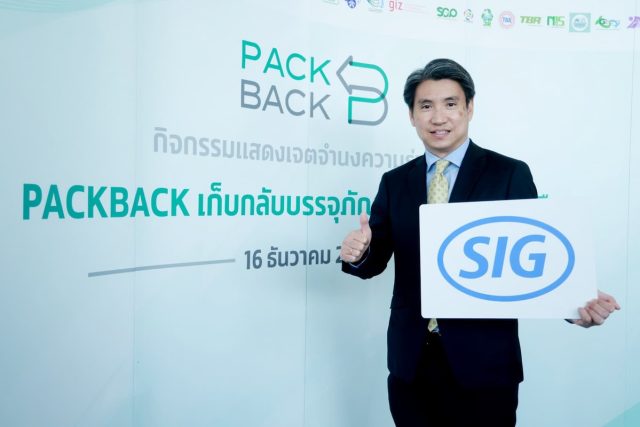
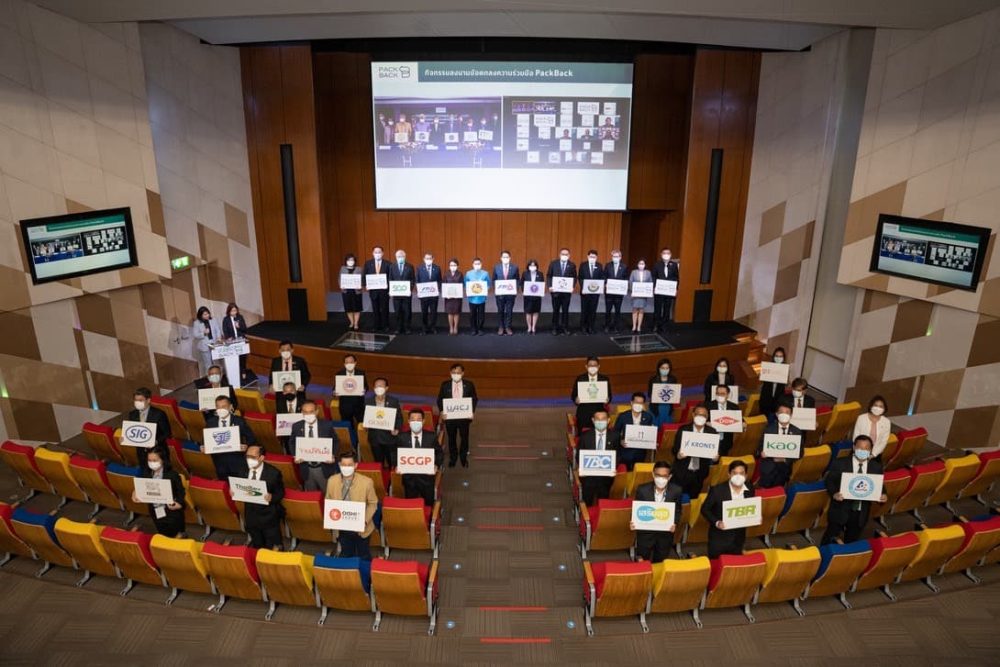
Monday 28 February 2022 – SIG Combibloc, an aseptic carton solutions provider signs an agreement along with 50 leading organizations to champion EPR (Extended Producer Responsibility) in Thailand, organized by the Thailand Institute of Packaging and Recycling Management for Sustainable Environment (TIPMSE).

This agreement opens an opportunity for public and private sectors including producers, distributors, customers, collectors and recycled factories as well as academic institutions and NGOs to jointly recycle packaging under the BCG Model (Bio-Circular-Green Economy).

Mr. Vatcharapong Ungsrisawasdi, Country Manager, SIG Thailand, cited that “This model of cooperation shall facilitate SIG to communicate with all parts concerned toward the process of recycling cartons under the governmental support in order to develop sustainable packaging management in accordance with circular economy”.

By signing this agreement, SIG as the producer shall firmly step on Way Beyond Good roadmap with responsibility in recycling beverage cartons under EPR concept toward sustainability of circular economy.

Shopee: Malaysians are taking self-care more seriously

Physical and environmental wellness top of mind ahead of 3.15 Consumer Day

KUALA LUMPUR, 28 February 2022 – Shopee Malaysia data indicates that Malaysians are better adapted to feeling joy and showing appreciation to themselves in a post-pandemic world.

More Malaysians are going online for their self-care needs, according to shopping data observed by Shopee Malaysia. Since the pandemic began, demand for products that help shoppers improve their well-being, reward themselves, and reduce stress has increased by 6 times on the platform.

In 2021, Shopee has found that physical and environmental wellness rank among Malaysians’ top needs when shopping online. In particular, 42% of products bought focused on physical wellness, 26% environmental wellness, 25% social well-being, with the remaining for psychological and spiritual wellness.

“These findings highlight how Malaysians’ preferred ways of taking care of their well-being have evolved over the last two years, signaling the rise of new opportunities for self-discovery and personal growth. We are pleased to have been able to support Malaysians every step of the way, to help them discover what they need,” said Kenneth Soh, Head of Marketing Campaigns at Shopee Malaysia.

Malaysians are putting physical well-being as their top priority. Compared to 2019, Malaysians were 6 times more interested in purchasing items related to eating well, exercising, personal grooming, and personal hygiene. Personal grooming items were the most popular subcategory for physical self-care, with approximately one-third of these consisting of skincare products such as face masks, face scrubs and peels, makeup, facial oils, essence and serums.

Malaysians’ appear to be prioritizing more environmental self-care by creating healthier living environments, because demand for home improvement, decoration, and home organization increased the most at 10 times in the last two years on Shopee’s marketplace since 2019. For example, DIY supplies, fragrance and candles, artificial flowers and plants, wallpapers and wall art, shelf racks, desk organizers and storage baskets. This may not be surprising as many people would have had to reevaluate their living spaces if they spent more time working, home-schooling, or pursuing indoor related hobbies at home.

Looking at social well-being growth trends, Malaysians demanded 5 times more products to educate or nurture babies and pets in the last 2 years. Items sold related to pet supplies grew the fastest in this category, with pet toys, pet grooming, pet fashion, pet homes and pet accessories increasing 13 times from 2019 to 2021.

Shopee has also seen Malaysians gaining higher interest in learning new skills and cultivating hobbies such as reading, journaling, playing board games, and playing musical instruments, which provide a form of digital detox and promoting better psychological self-care. Items sold related to such hobbies have since grown an impressive 6 times in the last two years.

Malaysians are also embracing self-care offline, using digital payments. For the full year 2021 compared to pre-covid 2019, the adoption of ShopeePay, Shopee’s integrated mobile wallet, for self-care categories orders increased the most for sports and outdoor products, games, books and hobbies, and health and beauty. The highest uptake was for games, books, and hobbies, with a 60 times increase in adoption.

Click here to buy on Shopee.

HOT NEWS

NH Detoxlim boosts Oat Plus with CoQ10 and Okra, launches Pro-Crantics...

0
NH Detoxlim has given its NH Oat Plus, a premium oat bran powder rich in beta-glucan, an upgraded formula now with added CoQ10 and...

MUST READ

7UP teamed up with superstar Nadech Kugimiya to invite fans to...

0
Wednesday 16 October 2024 - The thrilling "7UP MEET and GREET with TEE YOD 2" event has just wrapped up by 7UP beverage by...