Home Blog Page 1167

CocoJoy made debut through 7-Eleven
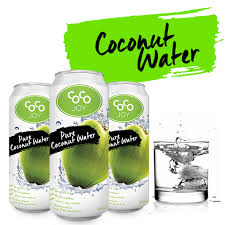
The 100% natural coconut water Coco Joy has entered Malaysia and is available at 7-Eleven. Apart from this 250ml coconut water in slim can, FAL Food and Beverages has also introduced Coco Joy Natural and Flavored Coconut Milk, which makes it likely the first coconut milk-based flavoured drink in the country. CocoJoy is a product of Vietnam. The 250ml drink costs RM 2.70.

In the US/European market, the coconut milk NPDs are moving away from coconut drink to coconut milk-based drink as an alternative to dairy. In Malaysia, coconut milk NPDs are still in the nascent stage of developing a taste for packaged coconut water.

Coco Joy Flavoured Coconut Milk

There has been an uptick in the demand for coconut water, thanks to its natural health positioning and as the essential drink for dengue patient. Malaysia is facing a dengue outbreak with fatalities at 293 cases out of the 107,079 reported case as of 21 November 2015. Coconut water is recommended to replace lost electrolytes and minerals for people suffering from dengue.

In terms of marketing, CocoJoy is taking part in the 7-Eleven latest Supahiro Bear promotion.At the moment, not all the 7-Elevens are carrying CocoJoy Pure Coconut Water. Even if they have CocoJoy Pure Coconut Water, CocoJoy Pure Coconut Milk is no where to be seen as of the time of writing.

One thing strange is the Cocojoy I bought on 13 December 2015 was made one year ago on 10 Dec 2014. The product has a two-year shelf life.
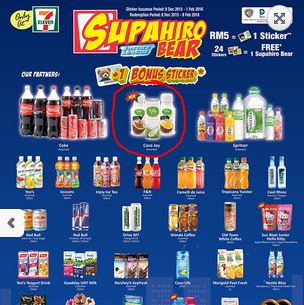
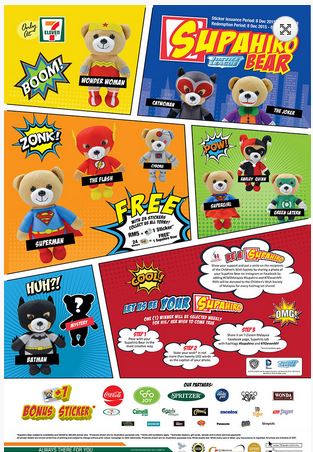
A picture of CocoJoy taken by the author at 7-Eleven

Ichitan RTD tea meant for Indonesia found selling in Malaysia (updated)

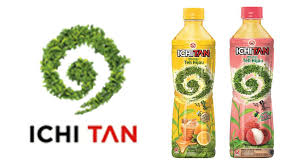
Ichitan RTD tea, which was recently launched in Indonesia, was spotted in Malaysia’s My Hero Supermarket. The retail price is RM 1.90 for a 420ml bottle. In Indonesia, the same product sells at a slightly lower price of RM 1.50 (IDR 4,900). The RTE Tea is meant for the Indonesian market as the text on the packaging is in Bahasa Indonesia.

In Bahasa Indonesia.

The Ichitan Tea is sold alongside other popular Indonesian food and drinks such as Mizone, Calpico, C1000 and Pocari Sweat at My Hero at Taman Dagang in the state of Selangor. Most of the products on the shelf are imported by Aksi Unggul Sdn Bhd.

Ichitan on the second rack counting from the top

Below are two more shelves of Indonesian products. Among the products on the racks are Richeese Nabati Cheese Wafer, Deka Crepes, Genji Pie Sand, Stico, Oreo Kejucake, Rebo Sunflower Seeds, UBM Wafer Cream, Dua Kelinci Tic Tac Snack and Papatonk Indonesian Premium Shrimp Crackers.

There has been an increase in the richness of Indonesian F&B products in Malaysia. Not just the popular Indomie and Wings Food Mie Sedaap instant noodles, we are seeing snacks, biscuits and beverages taking up shelf space in Malaysian retail outlets.

Teh Botol in a vending machine at Aeon Cheras Selatan

Foreign companies are also using its Indonesian factory to export into Malaysia. One example is Arnotts Shape from Campbell Soup. The made-in-Indonesia biscuit has just been launched in Malaysia.

Arnotts Shape newly launched in Malaysia

The large population of Indonesians in Malaysia with some estimated running into millions, including illegals, serve as a ready market for Indonesian products. However, another factor is Indonesian products, particularly snacks (ie peanuts, biscuits, wafer, coffee candy etc), are well received in Malaysia as the taste is mainstream. With the AEC 2015, there will likely be more Indonesian products arriving on the shores of Malaysia.

Updated: Destocking

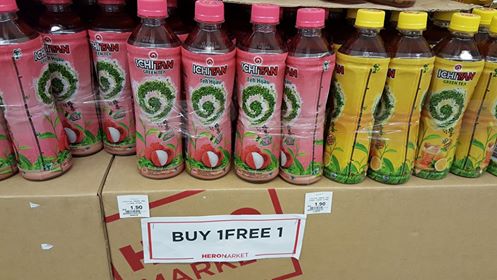
Buy one get one free at Hero Supermarket as of 24 July 2016

Apparently, demand for the Ichitan RTD tea was not good as reflected by the buy one get one free promotion at Hero Supermarket as of 24 July 2016.

New Quaker Crunch targeting children breakfast eating occasion with something more palatable

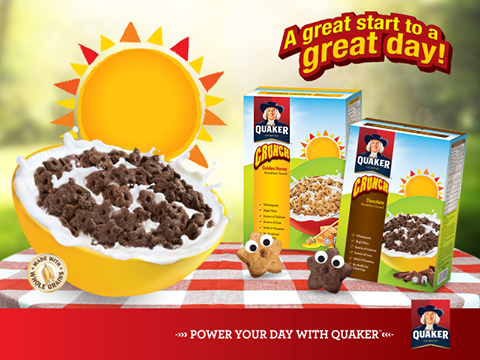
PepsiCo’s Quaker has up the ante with the introduction of the Quaker Crunch range of breakfast cereals in the Malaysia market. The new Quaker Crunch (Chocolate and Golden Honey flavours) is manufactured locally for PepsiCo (Malaysia) Sdn Bhd and is distributed by DKSH Malaysia Sdn Bhd in West Malaysia, Moh Heng Company Sdn Bhd in East Malaysia and Pepsi-Cola Far East Trade Dev. Co., Inc. in the Philippines.

Quaker Crunch is made with whole grains and Quaker oats. It has fibre, protein, calcium 9 vitamins and 2 minerals. Children and the morning breakfast occasion are the key targets. The Chocolate and Golden Honey flavours make it appealing to kids.

The price is also more affordable compared to the imported Quaker cereal. The Quaker Oatmeal Squares (412g) is selling for a price of RM 13.77 (RM 33.4 per kg), while the Quaker Crunch (300g) is  retailed at RM 8.99 (RM 30 per kg). Compared with its competitors Kellogg’s (300g) and Nestle (330g), Quaker Crunch (300g) is the cheapest.

Imported Quaker cereals

However, Quaker Crunch does not have the best shelf placement on the rack. At Giant, it is placed on the bottom rack.

Photo taken at Giant at The Mines

Conclusion
The Quaker oatmeal is healthy but it can be too plain for kids. The new Quaker Crunch is seen as a move by PepsiCo to capture a share of the children morning breakfast eating occasion with something that is more palatable for kids – golden honey and chocolate flavours.

Wahaha Edison Cheese + Yogurt Drink launched

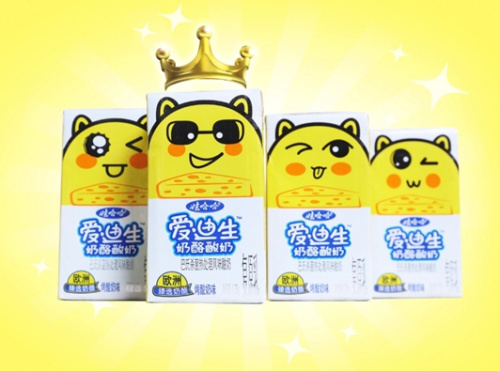
China’s beverage giant Wahaha has recently unveiled its latest cross-category product – 爱迪生奶酪酸奶 Edison Cheese Yogurt Drink. Wahaha is known for being experimental with its drinks including the beer-like drink 啤儿茶爽, which is a mixture of green tea, oolong tea and malt extract. The 啤儿茶爽 (pi er cha shuang) was a spectacular flop as consumers weren’t sure whether it was a beer or a green tea.

啤儿茶爽 – mix of tea and

In a desperate attempt to arrest sales decline, Wahaha turned to its Edison infant milk powder to launch the new Edison Cheese Yogurt Drink. Wahaha’s overall sales in 2014% fell 7% to CNY72.8 billion. Other failures so far include the kvas fermented bread drink and the character beverage Little Chen Chen or Xiao Chen Chen, a drink made of green plum and mandarin orange peel.

Nutrition information of Edison Cheese Yogurt Drink

The 200ml Edison Cheese Yogurt Drink is a shelf-stable drink for the 3-10 age group. It is made from high-quality European cheese. The shelf life is 150 days.

American-born Taiwanese Mandopop singer-songwriter Wilber Pan on Charming Daddy

Edison Cheese Yogurt Drink is the title sponsor of the reality TV show Charming Daddy (闪亮的爸爸), which is another adaptation of the hugely successful Where are We Going Dad (爸爸去哪儿) series. The key difference between Charming Daddy and Where are We Going Dad is the actors in the Charming Daddy are still single and have not been a dad before.

It is still early to tell if this product will be a success but Wahaha does have more success in the dairy category.

Indonesian organic coconut sugar benefiting from strong global interest for natural sweetener

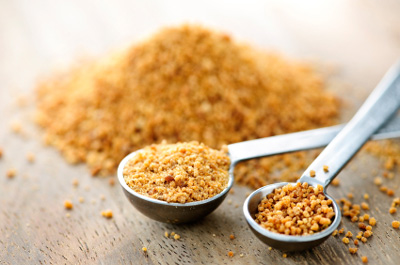
Coconut sugar, which has a low glycemic index (GI), is seeing rising interest in the Western world. The world’s biggest coconut sugar producers are Indonesia and the Philippines. Coconut sugar is a natural sugar made from the sap of cut flower buds of the coconut palm. It is different from palm sugar (also known as gula java and gula melaka), which comes from the sugar date palm.

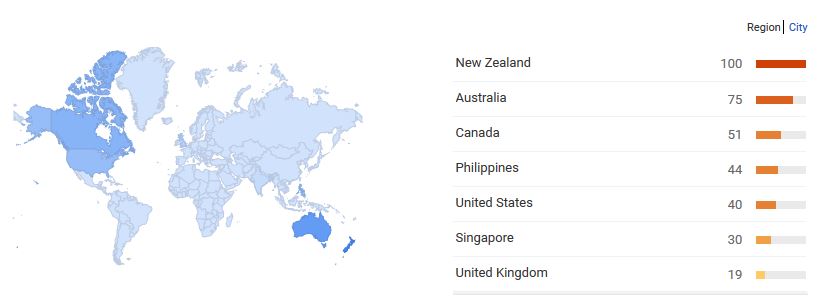
Google Trends – 30 November 2015

Google Trends data shows there is a strong interest in coconut sugar in New Zealand, Australia, Canada and the US. According to a SNV Netherlands report, Indonesia has more than 100,000 coconut sugar producers and they collectively produce more than 600,000 metric tonnes of coconut sugar annually or over 50,000 tonnes a month. Most of the output is consumed locally. Organic-certified coconut sugar is usually exported as it fetches a premium in international markets.

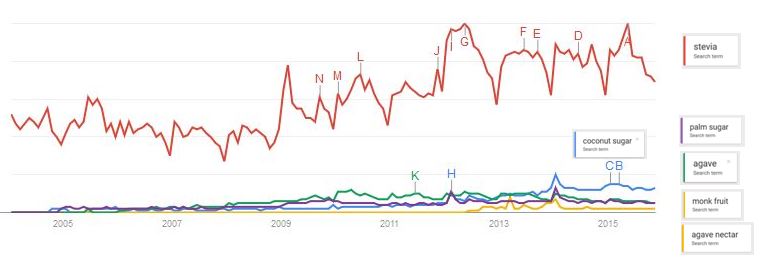
Google Trends – 30 November 2015
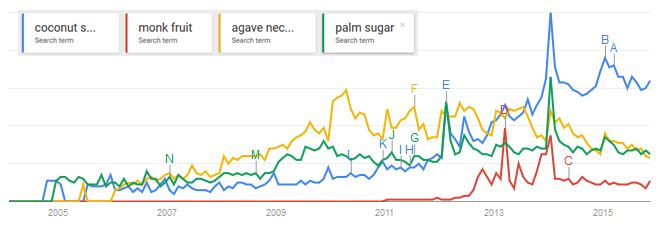
Compared with other natural sweeteners, coconut sugar generates the second highest interest on the web. Among the four niche natural sweeteners, the interest in coconut sugar has grown rapidly, surpassing agave nectar in 2013. Monk fruit’s popularity is limited by the lack of supply as only Guangxi province in China is suitable to cultivate monk fruit.
Google Trends – 30 November 2015
Coconut sugar is featured strongly at the two recently concluded trade shows in Indonesia – Trade Expo Indonesia (TEI) 2015 and SIAL InterFood 2015.
PT Coco Sugar Indonesia (TEI 2015)
PT. Kampung Kearifan Indonesia – Javara brand (TEI 2015) – USDA Organic, Non-EU Agriculture ID-BIO-49, Organik Indonesia SNI 6729-2010

PT Intrafood – Singabera brand (TEI 2015) – USDA Organic

PT Haldin Pacific Semesta at SIAL InterFood 2015

  Coco Green Farm – SIAL InterFood 2015 – USDA Organic

The growing interest over healthy natural sweetener will likely to continue to benefit Indonesian coconut sugar, particularly organic certified coconut sugar. The local market can be tapped as well to replace stevia, which as a strong aftertaste, with something more local such as coconut sugar.

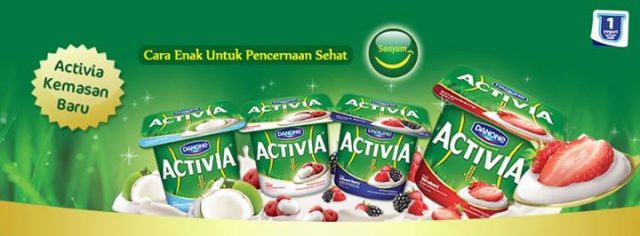
How Indonesian spoonable yogurt market has changed following Danone departure

The competitive landscape of the spoonable yogurt market in Indonesia has changed following the departure of the Danone Activia range in March/April 2014. Here is a quick update on the market.

The current market players are:

Local brands:
-Yummy
-Biokul (PT Diamond Cold Storage Indonesia)
-Cimory

Foreign brands:
-Elle & Vire (distributed by PT  Sukanda Djaya)
-Yoplait
-Emmi

Here are a series of images taken in 2013 and 2015. You can see how the shelf space for Activia and Milkuat was taken over by the other players. Comparing 2013 and 2015, Elle & Vire now has a bigger self presence.

Hypermart, Jakarta, 2013
Lotte Mart Kuningan City Mall, October 2015
Transmart Carrefour, Jakarta, October 2015

Prices:

Elle & Vire remains the most expensive of the three, followed by Yummy and Biokul.

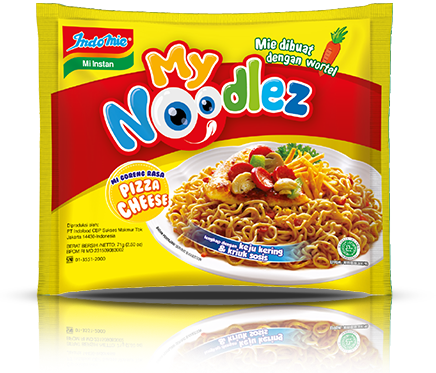
Instant noodle for kids – My Noodlez

There are numerous debates about the impact of instant noodle on health. To maintain a healthy lifestyle, most health experts would suggest staying away from instant noodle as instant noodle is often high in sodium and saturated fat. With instant noodle already getting a bad press, it is ironic Indomie recently introduced My Noodlez, the first instant noodle for children.

Indomie Rasa Rumput Laut.

The My Noodlez range differs from the mainstream Indomie instant noodle. It is specially formulated to appear healthier than ordinary instant noodle. The range consists of Salmon Teriyaki, Seaweed (rumput laut) and Pizza Cheese. The noodles are made either from seaweed (noticed the green coloured noodle) or from carrot (wortel)

For My Noodlez Pizza Cheese Flavour, the noodle comes with 0.1% carrot powder, Carmine CI 75470, Annatto (CI 75120) and riboflavin. Total energy is 300kkal, of which energy from fat is 60kkal. The pack size is 71g.

Indomie My Noodlez does score a point by targeting the children’s market. As with the children’s market, it is mom who determines what goes into the tummy of their kids. By using noodles made with seaweed or carrot, it helps to strike a balance between health and indulgence. Ultimately, it is mom who cooks the noodle for their young ones. At least mom can add some additional toppings such as vegetable on My Noodlez to create a more balance meal than not being able to constantly keep an eye on their children’s consumption of noodle snacks, which is often laden with MSG.

Indonesian companies tapping into gluten-free trend

Gluten-free is slowly appearing as a claim on food products in Indonesia. Unlike lactose intolerance, the awareness about gluten in Indonesia is still very low. The understanding about gluten is growing among parents with children with autism. Studies have shown the gluten and casein free diet (GFCF) diet has helped autism spectrum disorders (ASD) improve their lives, health, and functioning.

Tropicana Slim Alergon range

PT Nutrifood Indonesia, the company behind the Nutrifood franchise, launched the Alergon range in 2014. The range comprises Tropicana Slim Alergon Cookies and Tropicana Slim Alergon SteLeaf. Both products are naturally sweetened with stevia. Apart from stevia, the Alergon Cookies is also gluten-free and are formulated for consumers including autistic children who cannot consume gluten, said Tropicana Slim Alergon Brand Manager Rainne Widjaja. She cited the growing prevalence of wheat-based food, which makes it hard for parents with autistic kids to avoid products containing gluten. According to Widjaja, one out of 150 kids in Indonesia has autism (2000 data). Clearly, Alergon are tapping into a unmet need given the difficulties faced by parents with autistic children when it comes to the GFCF diet.

In addition to Alergon, the following are some of the gluten-free products available in Indonesia:

Sotoji instant noodle

Photo taken at SIAL InterFood, Jakarta in Nov 2015

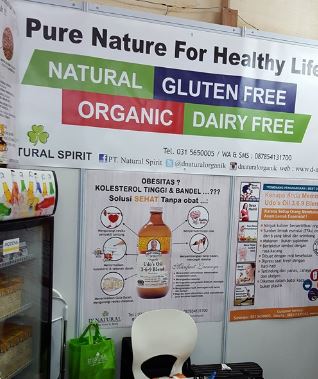
Udo’s Oil Blend

Photo taken at SIAL InterFood, Jakarta in Nov 2015

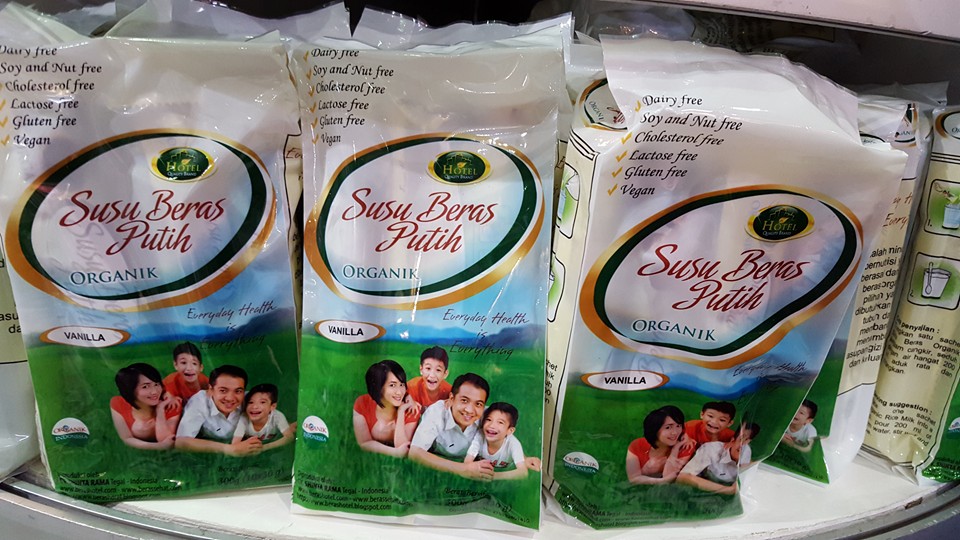
Hotel Susu Beras Putih Organic 
– White rice powder free from gluten, cholesterol, lactose, nut, soy and dairy. For those who are allergic to dairy and nuts.

Photo taken at SIAL InterFood, Jakarta in Nov 2015

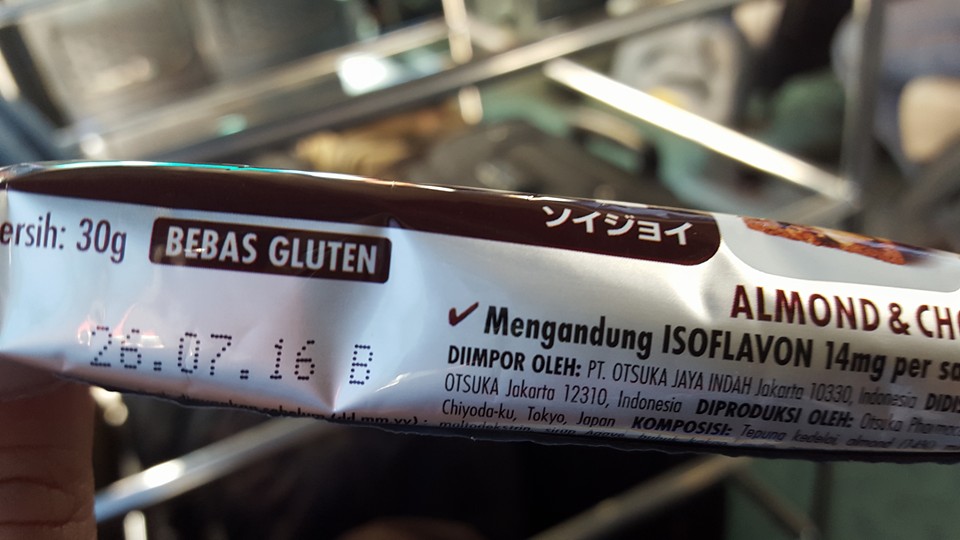
 Soyjoy
 – With a GI of 25. A guilt-free soy-based snack for people with diabetes

Soyjoy


Soyjoy is free from gluten

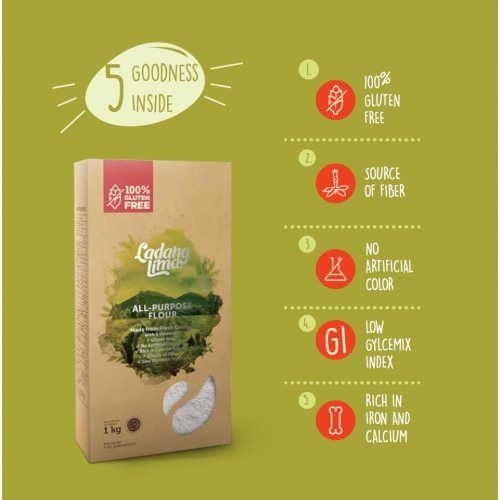
Ladang Lima All Purpose Flour
– Exhibited at SIAL InterFood, Jakarta in Nov 2015. The company also has Ladang Lima Veggie Noodle made from organic red spinach mixed with Ladang Lima Gluten Free flour.

Image from website

Last by not least, the famous Javara range of gluten-free products including noodles and flours.

The list above provides a glimpse into the gluten-free products in Indonesia. It is still early days for gluten-free. Awareness will the key to unlock demand for gluten-free foodstuff, the same with what has happened to lactose intolerance. Now soy-based food including infant formula has established itself in the market.

Poppadoms now in ready-to-eat canister format

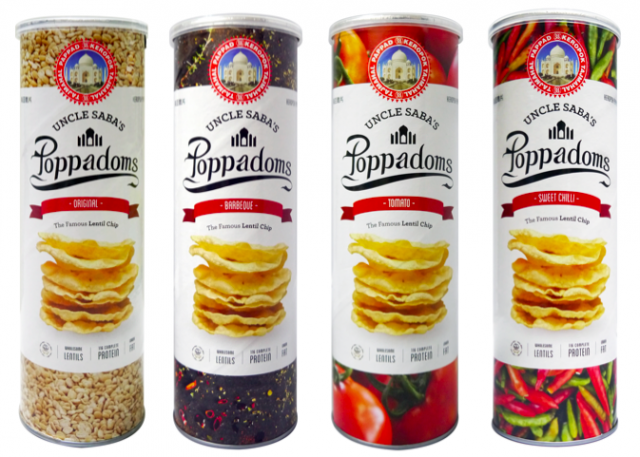
Poppadoms are commonly eaten with Indian meals. The best way to cook poppadoms is to fry it. Bhavani Foods (M) Sdn Bhd, the maker of Tajmahal Pappadam, Malaysia’s number one pappadam, has extended the brand into the launch ready-to-eat (RTD) poppadom segment. The new product is sold under the Uncle Saba’s brand and comes in two flavours – tomato and sweet chili. The suggested retail price for the 70g lentil chip is RM 4.99 (USD 1.17) with the introductory price at RM 3.99. Uncle Saba’s Poppadoms are currently available at Giant and Mydin.

From Tajmahal Pappad Facebook site

Uncle Saba’s Poppadoms is positioned as a healthy snack. It claims to contain “4x the protein, 3x the fiber, 40% less carbs and 30% less saturated fat than your average chip.” The lentil chip also does not contain trans fat, preservatives, cholesterol and harmful chemicals. It is gluten-free (does Malaysian know about gluten?), high in fiber and has low Glycemic Index (GI).

The key ingredients are lentil, vegetable oil, salt, asafoetida, cumin seeds, carom seeds, contains permitted seasoning (bean flour, spices, sugar and mono sodium glutamate), plenty of love and care [as stated on the packaging]. Uncle Saba’s Poppadoms only carries the Halal India logo, which means it has yet to be certified with JAKIM, the local Halal certifying body in Malaysia.

Conclusion:
Uncle Saba’s Poppadoms is unique as it fills the gap in the RTD poppadom space. It is also likely to be the only poppadom in canister in Malaysia. The mainstream snack in canister at the moment is extruded potato chips. Other snacks in canister include banana chips, cassava chips and prawn crackers. The health positioning might attract health-conscious eaters looking for a guilt-free indulgence. However, taste is still the most important factor. Consumers have to get use to eating poppadoms beyond the dinner table.

Indonesia: Premiumisation of local street food creates new eating ritual, opportunities for brands

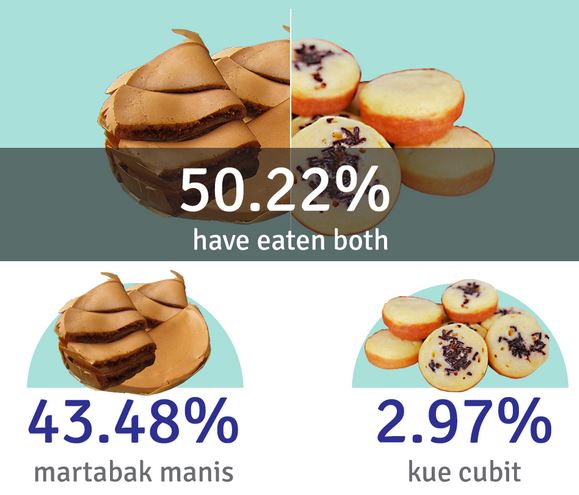
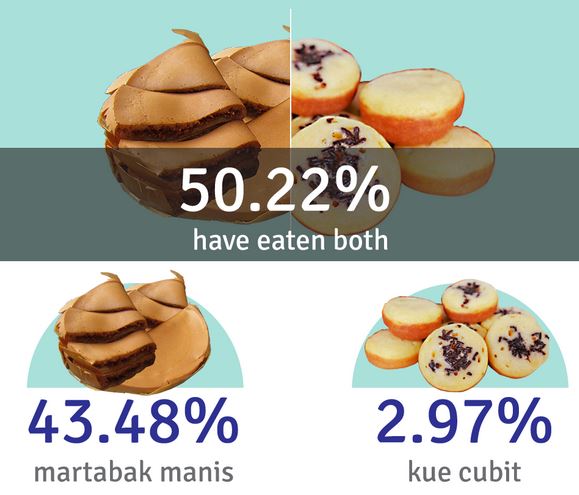
One of the most interesting survey data I have come across lately is the one by Jakpat or Jajak Pendapat, the number one mobile survey in Indonesia. The “Premium” Local Food Trend (Martabak Manis and Kue Cubit) report has revealed slightly over half of the respondents have eaten Martabak Manis (sweet pancake) and Kue Cubit.

From Jakpat “Premium” Local Food Trend (Martabak Manis and Kue Cubit) report, 2015

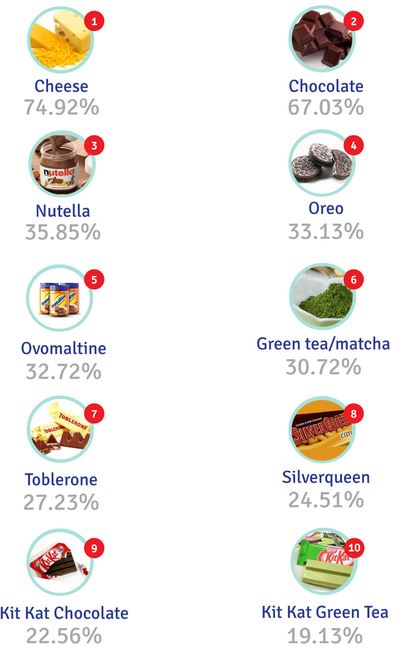
The most interesting aspect of this report is how sellers improvise street snack foods and how it has impacted the brands. Cheese (74.92%) is the most favourite topping, followed by chocolate (67.03%). Interestingly, we can also find products from specific brands used as key toppings. Examples include Nutella, Oreo, Ovomaltine (Ovaltine), Toblerone, Silverqueen and Kit Kat. All these brands are primarily chocolate-based food. The only exception is green tea/matcha, which tends to carry a healthier image.

From Jakpat “Premium” Local Food Trend (Martabak Manis and Kue Cubit) report, 2015

The popularity of these branded products as Martabak Manis topping provides opportunities for the creation of new eating ritual. Instead of dunking an Oreo biscuit into milk, you can also eat Oreo with Martabak Manis the Indonesian way. The adaptation of brands into street food also opens a new avenue to make expensive products like Toblerone and Nutella accessible to a wider audience. Ultimately, the expanding usage paves the way for greater frequency of consumption Branded food will eventually become inseparable part of the eating experience of Martabak Manis and Kue Cubit.

HOT NEWS

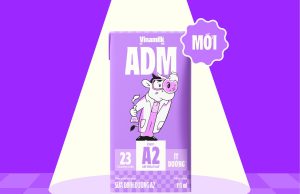
Vinamilk expands its A2 lineup

0
Vinamilk ADM, the fortified and sterilized nutritional milk from Vietnam’s Vinamilk, now comes in a new A2 variant. ADM A2 delivers 23 essential nutrients...

MUST READ

Mayora launches Wow Spagheti to make spaghetti in a breeze

0
Indonesia's Mayora introduced Wow Spagheti as the new instant spaghetti that can be prepared in three minutes. It is available in Creamy Carbonara with...