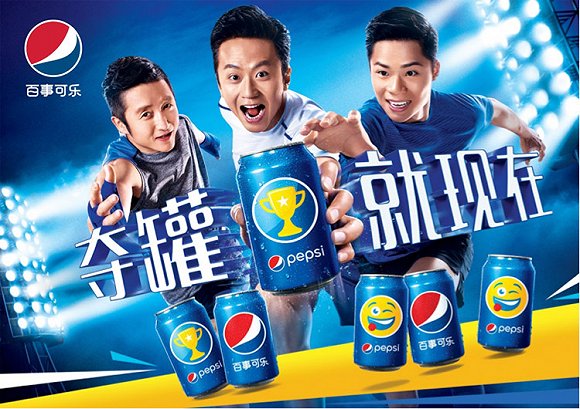
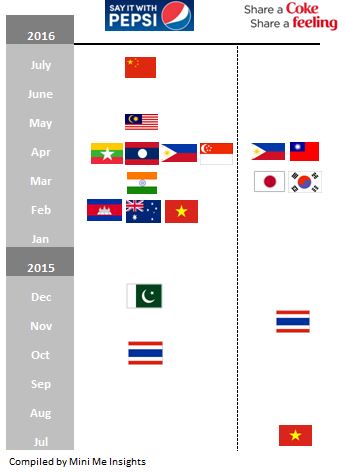
On 13 July 2016, PepsiCo China has finally unveiled emoji cans featuring eight designs. It marks the continuation of the roll out of the PepsiCo’s Say It with Pepsi campaign across the world.
Three male celebrities were picked to promote the emoji cans. They are actor Deng Chao (邓超), track and field athlete Su Bingtian (苏炳添) and professional boxer Zhou Shiming (邹市明). The last two ads have a Olympic feel.
At the time of writing, the campaign has yet to be introduced in Indonesia, Taiwan, South Korea and Japan.
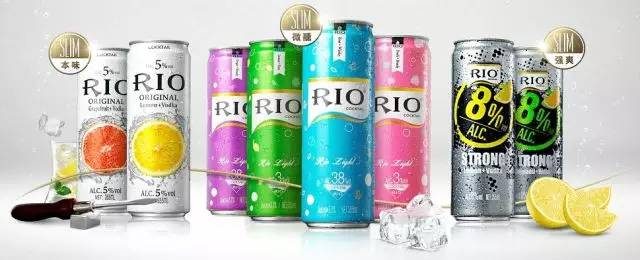
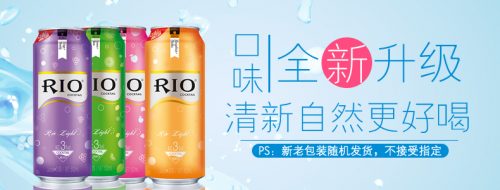
Shanghai Bairun Investment Holding Group Co., Ltd. (百润股份), best known for the Rio brand, has launched Rio in slim cans. The ready-to-drink (RTD) alcoholic cocktail beverage (预调鸡尾酒) in slim can covers RIO (5% ABV and 3% ABV). Rio Strong (强爽) with 8% ABV, launched in April 2016, is already in a 500ml slim can.
The 3% ABV Rio 500ml complements the existing 330ml can packaging and offers more value for money.
Rio 500ml 3% ABV
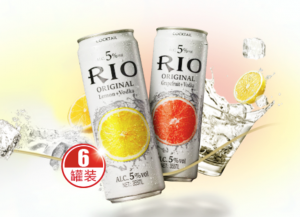
Rio 500ml 5% ABV in can
Also new is the RIO 5% ABV (本味) in 500ml can. The RIO 5% ABV in 275ml glass bottle was first launched in April 2016 to provide consumers with an RTD alcoholic cocktail beverage that has a higher alcoholic content targeting both male and female.
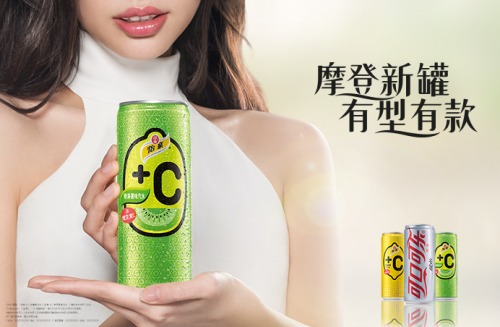
Slim can has recently become a trend with Coca-Cola introducing slim cans for its beverages to project a modern look.
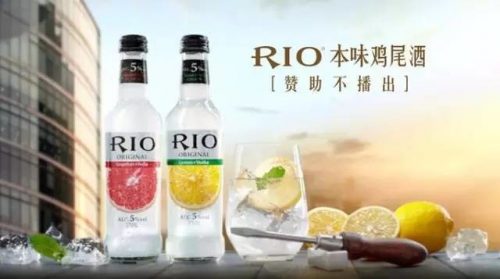
Rio claims first to embrace ad-free broadcast of Sing! China
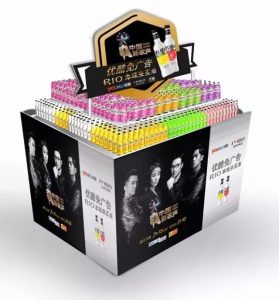
Rio has become a partner of Youku for the ad-free broadcasting of Sing! China (中国新歌声), which was previously known as The Voice of China (中国好声音), a hugely popular show, not only in China but in countries/territories with a sizable Chinese population like Malaysia, Taiwan and Hong Kong. The reality singing contest Sing! China premiered on 15 July 2016 featuring top singers including Jay Chau as part of its panelists.
One thing special about Rio’s collaboration with the video hosting service provider Youku is Rio covers all the advertising expenses for Youku to broadcast Sing! China on Youku, which is equivalent to YouTube. This makes Rio the first advertiser to test the add-free (免广告赞助商) concept in China.
What Rio did is it buy out the 60 second ad on Sing! China. Also, each consumer who bought Rio Sing!China-related products will get to enjoy seven days of ad-free Youku viewing experience. In addition to that, from 25 July 2016, Rio will have a 1mn free drinks promotion on its Tmall website. This free drink promotion raises the question whether the company is trying to clear old inventory following the build up of inventory due to poor sales.
Image from http://chuansong.me/n/429505743084
The ad-free approach does away the need for audience to watch the commercial, which is on average 30 minutes and 28 seconds for one episode of the previous The Voice of China.
This ad-free concept ties in with the purity appeal of Rio’s 5% ABV (本味), which carries the tagline ‘ 最经典最纯粹的口感 (classic and pure taste).’
Rio 5% ABV
On Youku, there is still a four second advertisement for Rio but the audience gets to enjoy the show immediately.
First quarter 2016 results
First quarter 2016 revenue for Bairun fell 73.3% year-on-year to RMB 216.4 million from RMB 810.4 million a year ago. The company reported a net loss attributable to parent company of RMB 63.57 million, down from a net profit of RMB 315 million. The decline is attributed to the fall in sales of Rio. It appears the troubles for Rio is far from over.
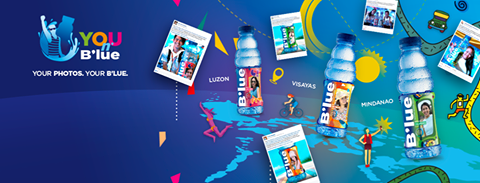
URC’s flavoured water/isotonic drink B’lue has been actively engaging young social media active Filipinos first with the personalised label and now with TV ad moment.
You n B’lue personalised your summer moment
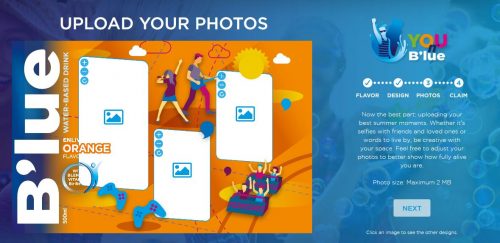
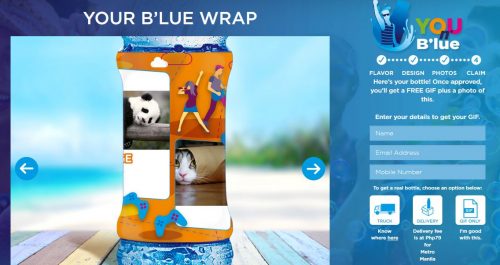
The personalised bottle label campaign, which ran until 30 June 2016, was to ‘show everyone how fully alive your summer is.’ Consumers get to choose the bottle, flavour and upload their ‘fully alive’ photos online. They could get the personalised bottle from the travelling B’lue Truck or have it delivered to their house for a small fee.
Here is the author’s panda and cat designsA selection of personalised B’lue drinks
Starring in own commercial
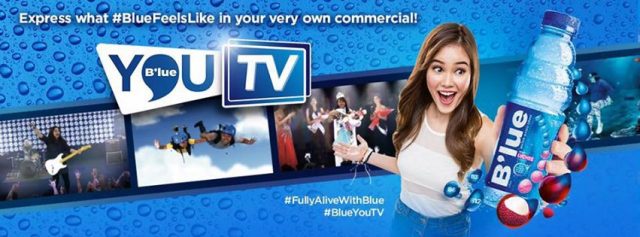
Now, B’lue is taking this campaign ones step further with a personalised commercial to ‘express what #BlueFeelsLike in your own commercial.’
You TV – from B’lue Facebook
Participants can become a skydiver or a performer in a sold out rock concert. The key is to ‘experience something one of a kind and [feel] fully alive’. The experiential aspect is key to the marketing of B’lue with its tagline ‘Live to Feel.’ There are likely to be more ‘Live to Feel’ marketing efforts to cultivate B’lue as a lifestyle isotonic drink.
Stellar sales performance of B’lue
Danone Universal Robina Beverages saw volume sales of B’lue increasing 47% quarter-on-quarter in the third quarter of FY 2015 with the strong growth attributed to the brand growing from a small base. FY2015 runs from October 2014 to September 2015. B’lue was first launched in January 2015 with brand activation and marketing communications commencing in the second quarter of FY2015.
According to URC citing ACNielsen data, B’lue has overtaken ‘Propel and Pocari Sweat for the first time in May 2015 for supermarket and convenience stores in Greater Manila Area (GMA) and Luzon.’ So now is an exciting time for B’lue as it charges ahead in the isotonic drink category.
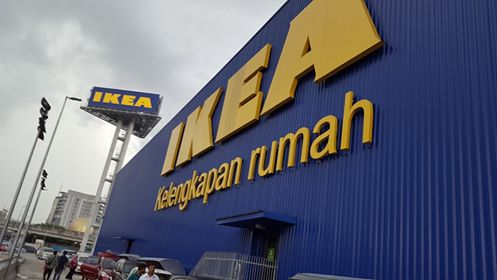
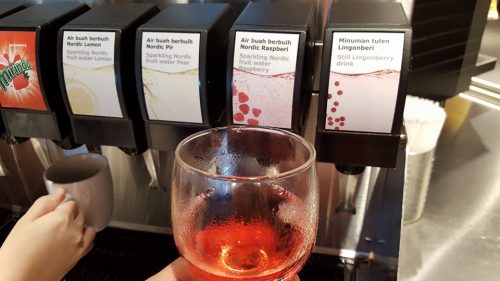
Ikea Malaysia has recently changed its drinks menu. Now, the drink fountain comes with four new options:
Sparkling Nordic fruit water lemon
Sparkling Nordic fruit water pear
Sparkling Nordic water raspberry
Still Lingonberry drink
This is in addition to the usual Pepsi, 7 Up, Mountain Dew and Mirinda.
The flavoured water surprisingly taste very good with no after taste often associated with sugary drink. In my opinion, the best are Sprkling Nordic Fruit Water Raspberry and Still Lingonberry Drink. These ought to be sold commercially outside of Ikea and will likely to be well received by consumers who want something sweet but light.
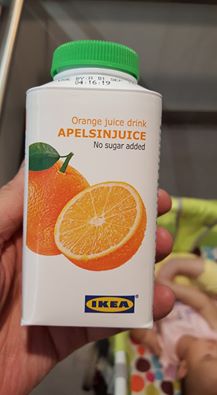
Apart from flavoured water, Ikea has made available orange juice drink with no sugar added. The juice is made by Malaysia Milk Sdn Bhd, the same company that produces the Marigold Peel Fresh juice. The Ikea orange juice is priced at RM 2.70 (USD 0.70).
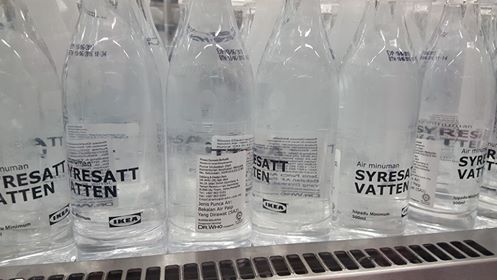
Also caught my attention is the Ikea reversed osmosis (RO) water and the funny part is this treated piped water is made by Dr. Who (M) Sdn Bhd.
So Bon Appetit at Ikea where the queue for food is always long but the wait is worthwhile.
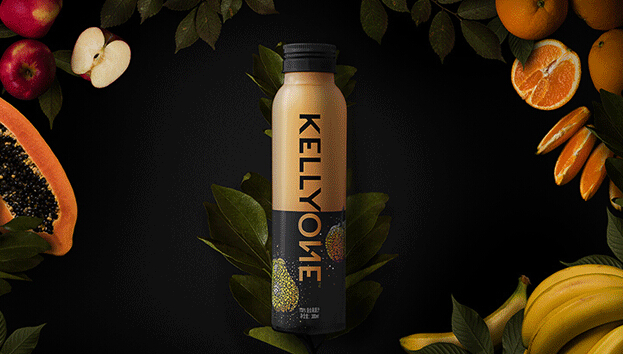
Wahaha founder’s daughter Kelly Zong (宗馥莉) has announced the launch of KellyOne, a fully customisable HPP fruit juice, in China. KellyOne, named after Kelly Zong, is available in Shanghai from 4 July 2016.
Six series
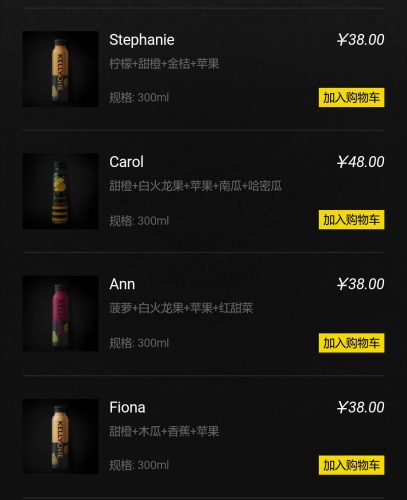
There are six series with interesting sounding names including Modern Human (摩登新人类) and Gym Enthusiast (健身发烧友). Each series contains five different juices (300ml) and they come with individual ingredients and packaging design. For example Carol comes under ‘Modern Human’ and its ingredients are orange, dragon fruit, apple, pumpkin and honeydew.
The prices for the 300ml bottle range from RMB 28, RMB 38 to RMB 48 with prices varied based on the ingredients used. The selling price of RMB 48 (USD 7.17) for a 300ml juice is considered by many as a move by the brand to move up the premium ladder.
Image from http://www.weiyoubaba.com/a/c56mm.shtml
Fully customisable ingredients
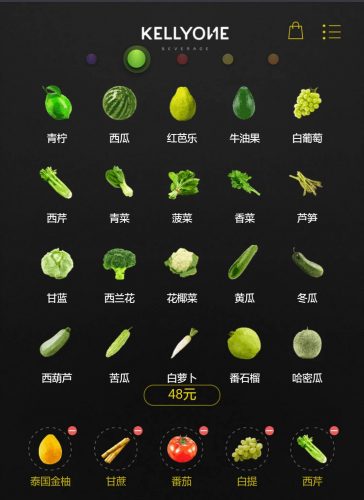
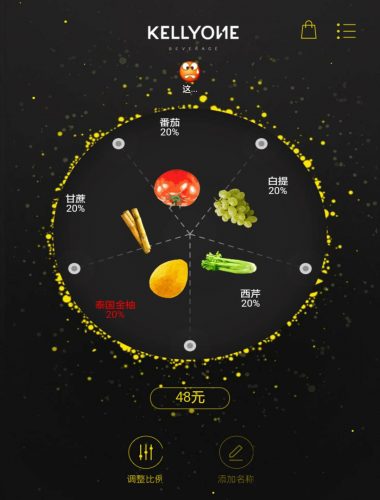
The second approach is to concoct your own juices based on 80 choices of fruits and vegetables. Each bottle can only feature three to 5 fruits and vegetables.
Image from http://www.weiyoubaba.com/a/c56mm.shtml
After choosing the ingredients, users have to choose fruit and vegetables and attach each one of them with a % volume/value.
Image from http://www.weiyoubaba.com/a/c56mm.shtml
Made to order
Once the selection is made only will the juice be produced. This is to ensure there is no inventory and everything is made to order. The expiry date is 7 days as the juice is produced using the HPP technique. The company expects to produce around 1,000 bottles a day. KellyOne is a prime example of making in mine with full customisation.
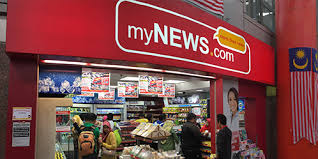
Bison Consolidated Bhd, the operator of myNews.com convenience store chain in Malaysia, has announced it is buying a 100% stake in Otaru Fine Food Sdn Bhd. Otaru supplies bakery products mainly to myNews.com.
Rationale for buying Otaru
The reason for buying Otaru is well explained in Bison’s announcement on the stock exchange on 13 July 2016. ‘The Otaru Acquisition augurs well for Bison in preparation for managing its own full-fledged food processing centre which it targets to construct and be ready and operational in the financial year 2018. In the interim Otaru will expand its products range and continue to supply Bison’s outlets in the Klang Valley.’
Central kitchen crucial to develop high-margin fresh food business
Bison’s Otaru acquisition paves the way to ensure it has the means to supply its stores with food products from the new food processing centre. 7-Eleven Malaysia currently does not seem to have a central kitchen as it still relies on third-party suppliers like CP, Fuji Bakery Supplies (M) Sdn Bhd, English Hotbreads (Sel.) Sdn Bhd and Cafe Decoral Sdn Bhd.
In Indonesia, PT Modern Internasional, the operator of 7-Eleven, is equipped with a central kitchen, which has undergone phase two expansion. The central kitchen supplied 160 new fresh food SKUs during the first three quarters of 2015 and ended the third quarter of 2015 with 244 fresh food SKUs.
7-Eleven Malaysia adds buns to fresh food line-up
7-Eleven has recently added buns as part of its fresh food range. The buns are made by Fuji Bakery Supplies (M) Sdn Bhd.
However, these buns are not well received. Most of them are approaching their expiry date when the author visited one of the 7-Eleven outlets in Ampang, Selangor.
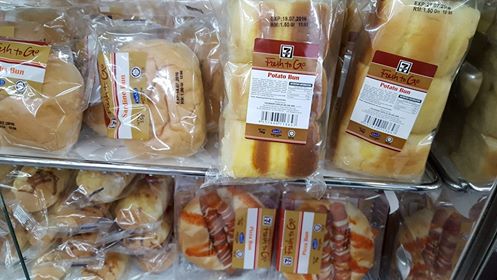
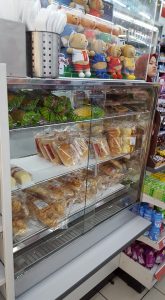
Stored inside a glass cabinet
There are few reasons why the buns are not popular. The buns are off limit to consumers as they are kept in an enclosed glass cabinet, which was previously used to display fried finger foods such as fish balls and meat balls.
Not strategically located
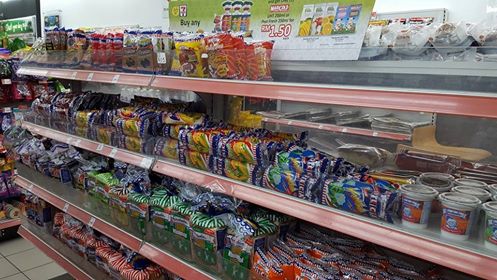
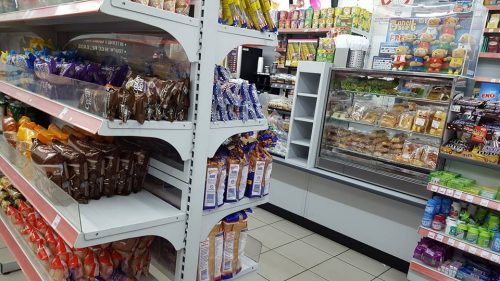
Moreover, the glass cabinet is hard to open and it is located opposite a rack full of popular branded bread and buns. The moment consumers step inside the store, what they will see first is the branded bread and buns from Gardenia, Mighty White and Massimo, not the bread hidden in the glass cabinet.
Long row of branded bread and buns opposite the 7-Eleven Fresh and Go bunsAnother view of the 7-Eleven Fresh to Go buns in the glass cabinet. Opposite are branded bread and buns strategically located to catch the attention of consumers.
7-Eleven Fresh to Go slightly more expensive than mainstream brands
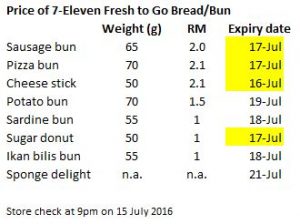
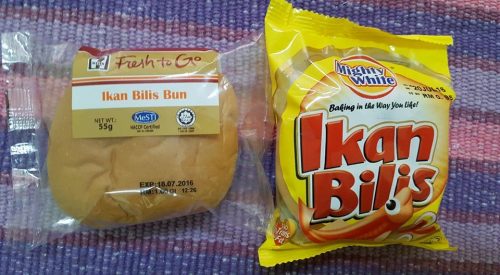
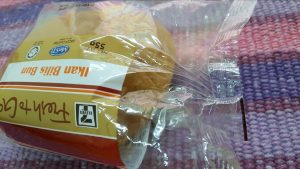
The price of 7-Eleven Fresh to Go buns is slightly more expensive than their branded equivalent. For example, the 7-Eleven ikan bilis (anchovies) bun is selling at a price of RM 1.00, while Mighty White is priced at RM 0.95.
7-Eleven Fresh to Go Ikan Bilis Bun tastes better but hard to open
Taste wise, the 7-Eleven Fresh to Go Ikan Bilis Bun tastes slightly better than Mighty White’s.
Mighty White vs 7-Eleven Ikan Bilis Bun
But then comes the issue of packaging. Mighty White packaging is easy to open. It takes a lot of effort just to open the 7-Eleven Fresh to Go bun. Even though the Fresh to Go bun is well sealed and protected to ensure its freshness, consumers who are on-the-go are more likely to choose the other more easy-to-open option.
Tightly sealed plastic packaging makes it hard to open
Indonesia example
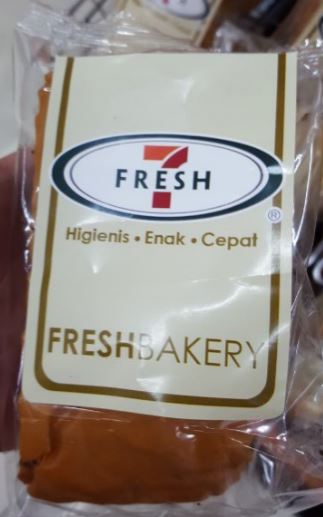
The Indonesia 7-Eleven serves as a pointer for fresh bakery. The shelf uses the open concept with products within easy reach. The bread comes with the 7 Fresh concept. On the packaging are printed with the words ‘Hygienic, Tasty and Quick’ followed by ‘Fresh Bakery.’
The ‘Fresh Bakery’ section is located prominently opposite the cashier with strong visibility to consumers when they first step into the outlet and when they pay for their purchases.
Ultimately, the bread eating culture is not strong in Indonesia, which makes 7-Eleven bread stands out due to the small choice of packaged bread. In Malaysia, it is hard to compete with Gardenia and Massimo.
Steamed bun?
What 7-Eleven Malaysia can do is to focus on steamed bun, which is what the convenience stores in the Philippines are doing. There is no branded equivalent for steamed bun and the food is well received by all the ethnic groups in the country. This is something to thing about.
Shelf stable yoghurt drink (常温酸奶) is seeing rapid growth in China and may serve as an inspiration for Southeast Asian dairy companies.
Sales of shelf stable yoghurt drink up 70% in 2015
Sales of shelf stable yoghurt drink (常温酸奶) in China expanded 70% year-on-year in 2015, still a commendable growth compared with 2014, which saw an even higher growth rate of 140%, according to ACNielsen. As a comparison, chilled yoghurt only saw an increase in sales of 15% in 2015.
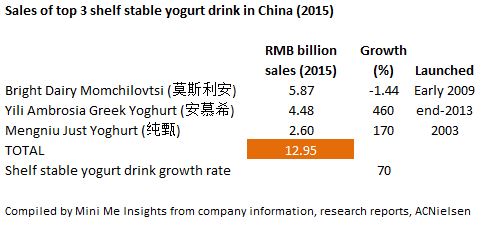
Sales of top three players reached USD 1.94 billion
The top three players Bright Dairy, Yili and Mengniu posted a total revenue of RMB 12.95 billion (USD 1.94 billion) from the sale of shelf stable yoghurt in 2015.
Key success factors
The ability to store at room temperature and a long shelf life is a major selling point for shelf stable yoghurt drink. Being able to transport at room temperature is important as the chilled chain infrastructure is still under developed in China.
Shelf-stable drinking yoghurt is convenient, tasty and has nutritional benefits appealing to modern Chinese consumers. According to Dan Björklund, manager of Center of Expertise at Tetra Pak, “ambient drinking yoghurt is flourishing because it appeals to the lifestyle of the modern day consumer, not just in China but globally.”
Exotic
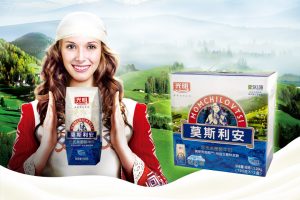
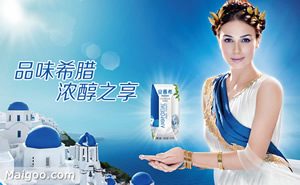
Ambient drinking yoghurt is seen as exotic with foreign sounding names and origin. Bright Dairy Momchilovtsi uses the Bulgarian yoghurt, while Yili Ambrosial is a Greek yoghurt.
Bright Dairy MomchilovtsiAmbrosial – Greek taste
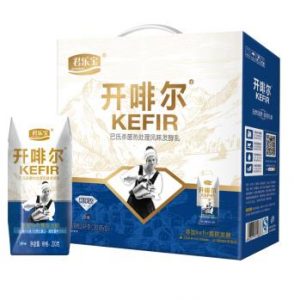
Junlebao Dairy’s Kefir features a Caucasian lady. Kefir (开啡尔), a fermented milk drink made with kefir “grains” is a novel concept for Chinese consumers. Sales of Kefir in 2015 grew by more than 120%.
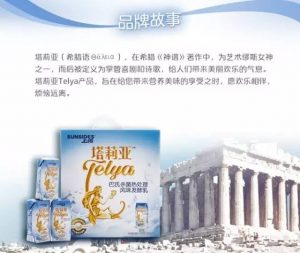
Cofco recently launched a new ambient drinkable yogurt in 2016 called 塔莉亚 Telya with the Greek theme.
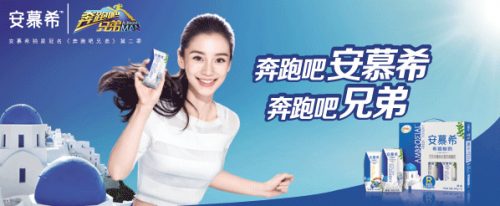
Yili Ambrosial success story – endorsing popular Hurry Up, Brother reality show
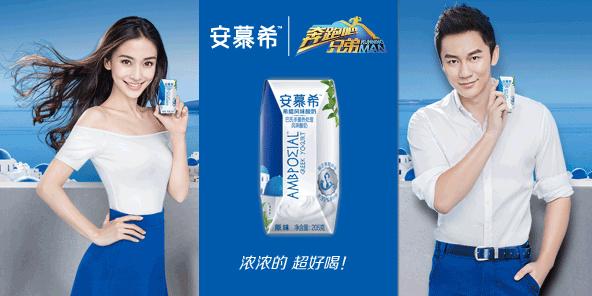
The marketing of shelf-stable drinkable yoghurt is targeted at young consumers, both male and female. Yili Ambrosia is endorsed by the popular 27-year-old actress Angelababy and the 37-year-old actor Li Chen. Both are featured in the Chinese version of Korea’s Running Man reality show, known in China as 奔跑吧兄弟 or Hurry Up, Brother. The show is popular among the young and is now in the 4th season. The key to the success of Yili Ambrosial is being the title sponsor of the second, third and fourth seasons of Hurry Up, Brother.
Yili Ambrosial endorses Hurry Up, Brother
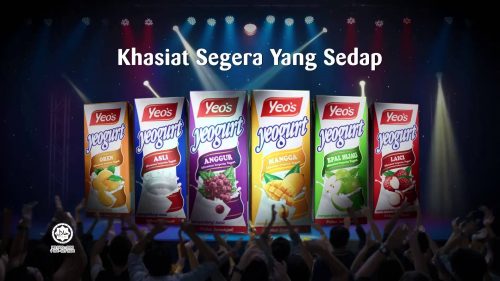
Malaysia – Yeo’s Yeogurt
Yeo’s Yeogurt, launched in Malaysia in early 2015, comes with the healthy goodness of milk and lactic acid, commonly found in yogurt. Yeogurt fills in the gap in ambient drinkable yoghurt and is positioned as a drink for the entire family. Yeogurt is the only product in the ambient drinkable yoghurt space in the country.
Indonesia – Cimory & Heavenly Blush
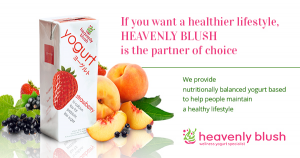
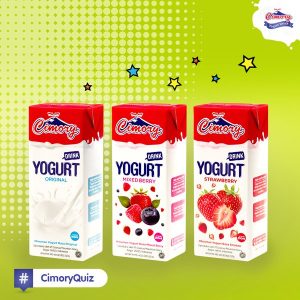
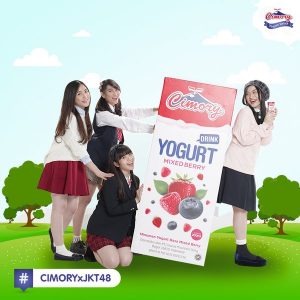
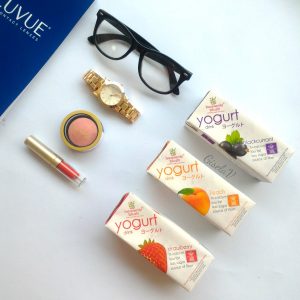
In Indonesia, the choices for ambient drinkable yoghurt are Heavenly Blush Yogurt Drink To Go (200ml) and Cimory Yogurt Drink.
Cimory
Both Heavenly Blush and Cimory ambient drinkable yogurts are aimed at female who are conscious of their weight and want something that is healthy yet convenient for on-the-go occasion.
Endorsed by pop band JKT 48Part of the beauty regime
Male consumer is a neglected segment in Indonesia
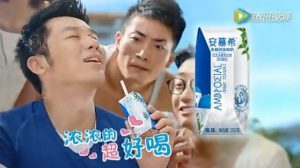
Yili Ambrosial targets men
Ambient yoghurt drink works in Indonesia as in China because it does not rely on the chilled chain. The potential of this segment has not been fully realised in Indonesia.
Opportunities exist to expand the focus beyond female to target young Indonesian men. This is something marketers can think about in turning ambient yoghurt drink into a lifestyle drink for young Indonesians, both male and female.
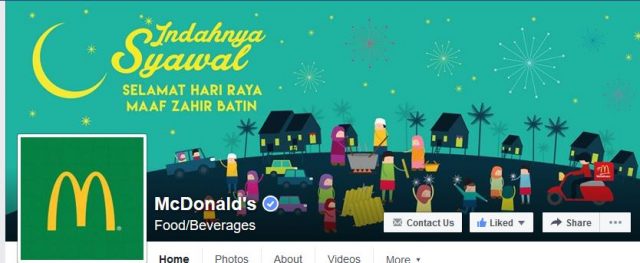
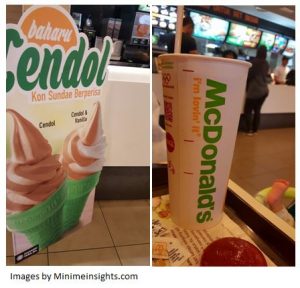
In Malaysia, McDonald’s has ditched its iconic red background and replaced it with green to celebrate the major Muslim holidays of Ramadan and Idul Fitri (Hari Raya), while retaining the yellow arch.
Green rules
The name of McDonald’s on the cup has been changed to green, while the cone of the limited-edition Cendol Soft Serve Ice Cream is in green.
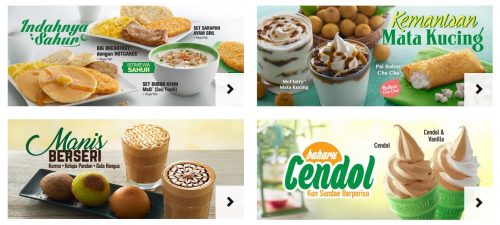
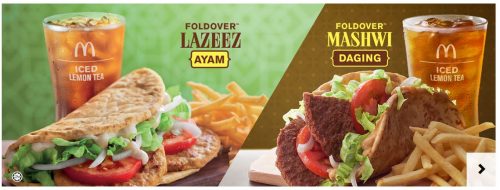
As green is the colour often associated with Raya, the words and some of the bowls and plates for the new festive menu are shown in green. This shows how far McDonald’s can go in localising its menu and branding to improve acceptance.
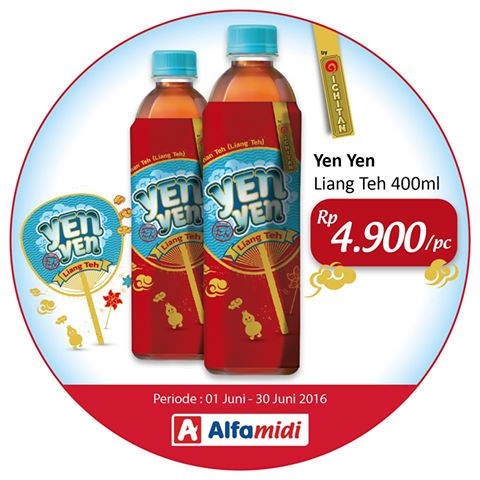
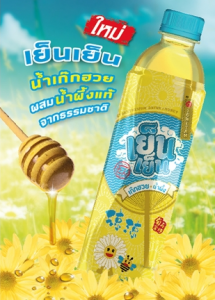
Thailand’s Ichitan latest move in Indonesia has rolled out its Yen Yen Liang Teh in 400ml PET bottle. Yen Yen is a herbal drink containing 7 Chinese and Thai herbs – safflower, chrysanthemum, bael, jiaogulan, mesona, pure green tea, monk fruit and mulberry leaf.
According to the company, Yen Yen ‘can prevent and reduce aphthous ulcer and digestive tract symptoms; mouth sore, rotten lip, rotten tongue, sore throat, hearse, thirsty, cough, eye burns which happen from unbalance life such as sleepless, eat too much fried stuff, dehydrate and digestive symptoms.’
Competes against OT Liang Cha
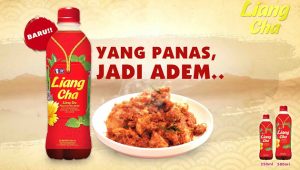
OT Liang Cha
The new Yen Yen Herbal Tea competes against OT Liang Cha, a new RTD herbal tea from OT Group first launched in the second half of 2015. Interestingly both Yen Yen and Liang Cha are in red bottle. The choice of red bottle is likely to be inspired by China’s famous RTD herbal drink Wang Lao Ji in the iconic red can or to use red to refer to the Chinese origin of the herbal tea.
Cool Tea
The key marketing message of its competitor OT Liang Cha (350ml PET) is ‘Yang Panas Jadi Adem,’ which can be loosely translated as ‘cooling down things that are hot.’ These ‘hot’ things include spicy food, hot weather and feeling of anger/frustration.
Yen Yen is the companion for spicy food
Unlike OT Liang Cha, the new Yen Yen focuses on the eating occasion. The taglines are ‘Temennya Makan Pedas’ or spicy food companion and ‘Bikin Pedes Jadi Nyes Nyes.’ In Malaysia, the TVC for Mamee Cool Tea takes a similar approach of promoting the drink to help to cool down the body after eating spicy food and ‘heaty’ durian.
Future opportunities for Ichitan in Indonesia
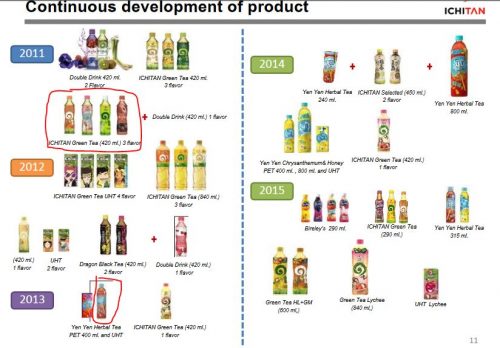
So far, Ichitan has made available 2 RTD tea and 1 RTD herbal tea in Indonesia – Honey Lemon Flavoured Green Tea (420ml PET), Lychee Lemon Flavoured Green Tea (420ml PET) and Yen Yen Herbal Tea (400ml PET).
From Ichitan Opportunity Day FY 2015 – http://ichi.listedcompany.com/misc/PRESN/20160324-ichi-oppday-4q2015.pdf
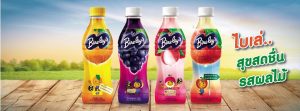
Given the rich portfolio of products, Ichitan still has plenty of products that it can sell in Indonesia including RTD tea in different flavours and pack sizes as well as chrysanthemum tea and Bireley’s carbonated soft drink. It is interesting to see what’s Ichitan next move in the country.
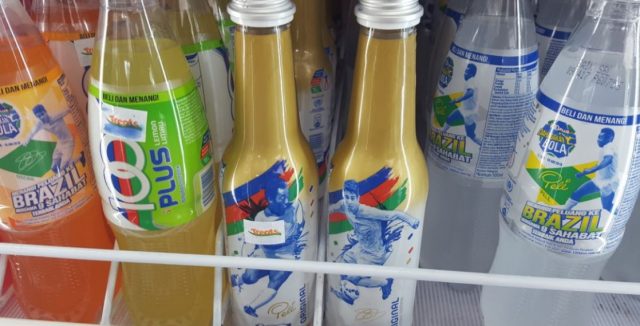
F&N appears to have over estimated the demand for its limited-edition glass bottle 100 Plus featuring pictures of Brazilian football legend Pele and current Brazil star, Oscar. According to F&N Beverages Sales Manager Chen Vong Fui while speaking to The Star in April 2016, these bottles would only be available for two months from April to May 2016.
Still available in July 2016
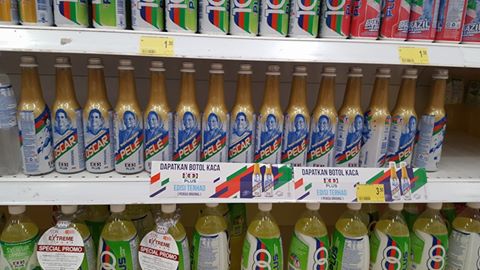
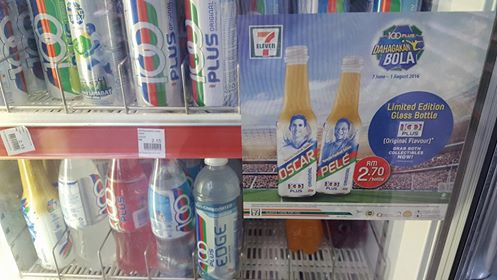
At the time of writing on 12 July 2016, the limited-edition 100 Plus in glass bottles can still be easily found in hypermarkets, supermarkets and 7-Eleven convenience store.
Image taken at Aeon Big Ampang on 10 July 2016. Selling at RM 3.50
At Aeon Big Ampang, the limited-edition 100 Plus was selling for RM 3.50, while at 7-Eleven, the same product is on promotion at RM 2.70, a clear sign that it is trying to clear the inventory.
First time 100 Plus in glass bottle
The limited-edition 100 Plus in bottle is worth collecting as it is the first time the company is introducing it in glass bottle in 33 years.
Beyond the reach of ordinary consumers
However, after most of the collectors have bought the limited-edition bottles, the remaining glass bottle does not have the mass market appeal as they are expensive. As a result, F&N is finding it hard to clear the remaining stock and that is why we are still seeing the expensive glass bottles on store shelves.
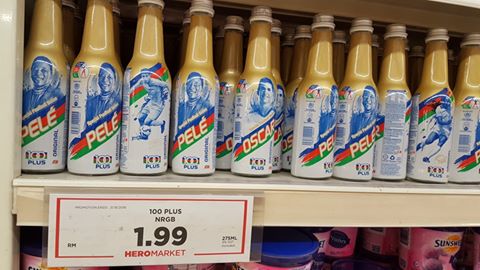
Updated: Destocking
100 Plus glass selling at a reduced price of RM 1.99 at Hero Supermarket as of 24 July 2016
Selling at RM 1.99 at Hero Supermarket as of 24 July 2016.
Mamasuka is riding the Korean topokki trend with a new locally-produced Korean Rice Cake Topokki. Korean street food topokki is on-trend in Indonesia with...