Home Blog Page 1178

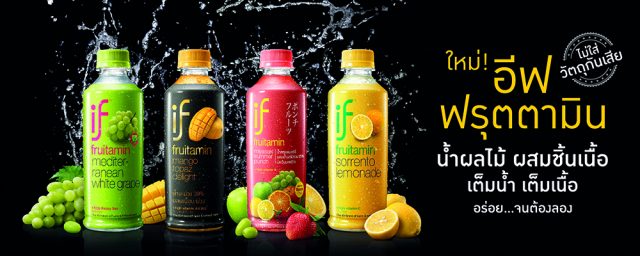
Thailand’s IF Fruitamin juice has potential in the region

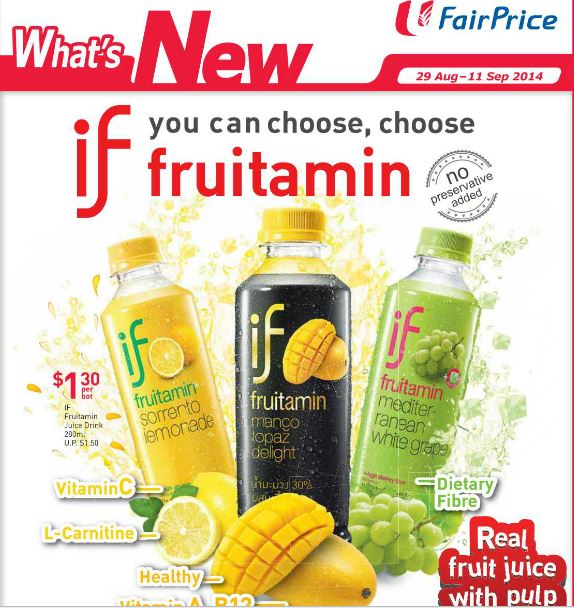
IF Fruitamin juice, made by Thailand’s General Beverage Co in the province of Nakhon Pathom and distributed by Drinkologist Co, is one of the premium fruit juices from Thailand that is tapping the export market. Its packaging is trendy and eye catching. The taste is pretty good too. Drinkologist started distributing in Singapore, Laos, Myanmar and Brunei in 2014 and aims to derive 20% of revenue from ASEAN (excluding Thailand) in the coming three years.

IF Fruitamin does have the export potential like Sappe’s Mogu Mogu, a juice drink with coconut jelly. The refreshing appearance also makes it competitive compared to Malee, which is widely available in the region. One thing IF Fruitamin can do to promote itself in Southeast Asia is to target young consumers looking for something new and exciting.

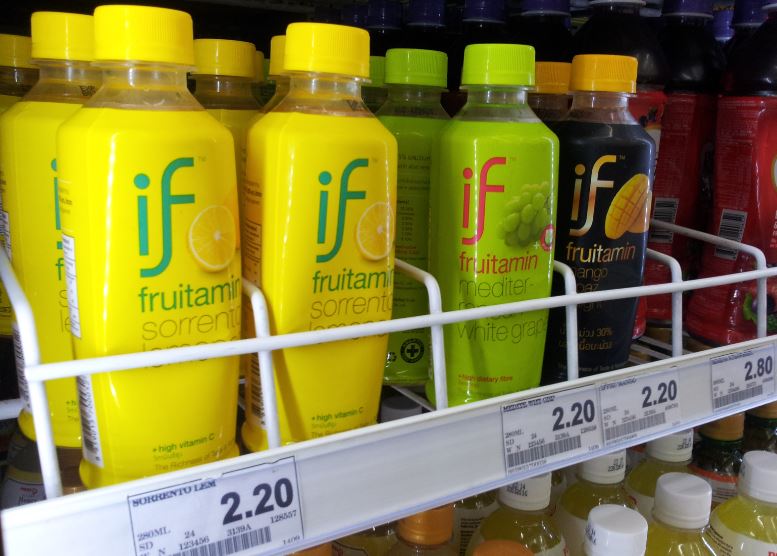
IF Fruitmin in 7-11 Singapore, May 2015

Smaller pack to boost fresh milk consumption in Singapore

How to boost fresh milk consumption in Singapore? The key to driving higher value sales is by increasing the purchase frequency of smaller pack products. In Singapore, F&N has launched a marketing campaign to encourage consumers to switch to the smaller 1-litre pack.

Cold Storage Supermarket –  the 2-litre family pack is quite popular in Singapore

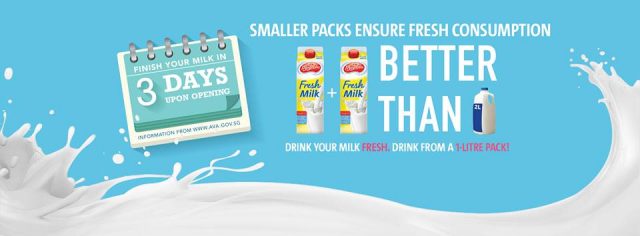
F&N is encouraging shoppers to “buy two one-litre packs of fresh milk instead of a two-litre bottle.” It cites the Agri-Food and Veterinary Authority of Singapore’s (AVA) guidelines that fresh milk is best consumed within three days of opening. Since Singaporeans lead a busy urban lifestyle, the company claims the smaller pack size is ideal for the busy lifestyle as the milk can be easily consumed freshly within three days.

The other plus point for going for smaller pack is smaller pack size is more expensive on a per unit basis than the bulk pack. The shift to a smaller pack size can potentially boost the underlying sales value.

Marigold HL 2 litre pack launched in Malaysia in September 2014

Across the causeway in Malaysia, instead of encouraging consumers to purchase the 1-litre pack, F&N launched a 2-litre family pack HL low-fat milk during the second half of 2014. The company is encouraging Malaysian consumers to drink more fresh milk and one of the ways to ensure fresh milk appears affordable is selling it in a larger pack.

Tesco Online Malaysia – 18 May 2015. Promo price
Marigold HL milk line up in Malaysia

So we have two different developments. In a more mature fresh milk market like Singapore, F&N is shifting away from the bulk pack strategy to smaller pack to encourage higher purchase frequency to drive value growth. In Malaysia where the consumption of fresh milk on a per capita basis is lower than Singapore, the same company uses the 2-litre pack strategy to provide more value to customers to spur higher volume consumption.

GST Watch: The power of 20%

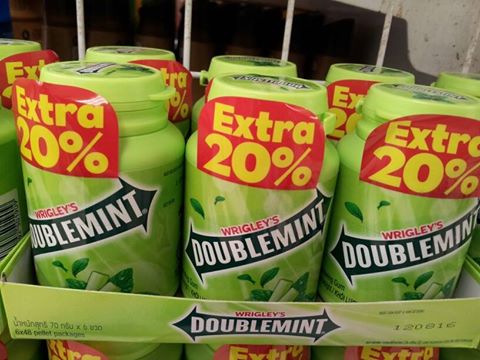
Here are a selection of photos to show what FMCG companies in Malaysia are doing to retain customers following the implementation of the 6% GST on 1 April 2015. The photos are self explanatory.

20% extra
25% extra
20% extra
25% more
Save RM 1
50% extra
Free 100g
Free one pack

Norco lowers 1L price, plans to introduce smaller bottles to tap China fresh milk demand

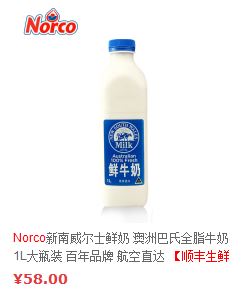
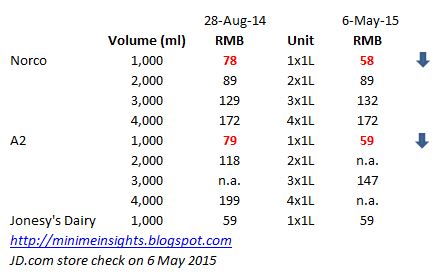
It has been a while since I talked about fresh milk in China. The latest check on JD.com has revealed the price of a 1L Australian air flown Norco fresh milk has declined to RMB 58 from RMB 78. But this decline only affects the 1L pack, which is seen as a move to encourage Chinese consumers to try them out.

See: Norco, A2 Australian fresh milk go for diamond in China

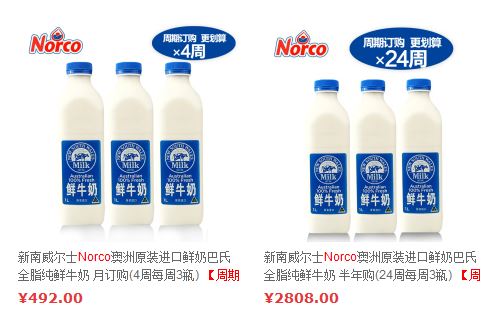
North Coast Dairy Cooperative (Norco) has also introduced the weekly and monthly programmes to send fresh milk on a regular basis to the doorstep. For example, for one month (three bottles per week), consumers will be paying a total of RMB 492 or RMB 41 per 1L bottle. For half a year subscription (24 weeks with 3 bottles per week), the total amount is RMB 2,808 or RMB 39 per 1L bottle.

Norco said it is expecting to export 5 million litres of fresh milk to China in the coming financial year. At the moment, the cooperative is shipping 5,000 to 20,000 litres of fresh milk per week to China. Plans in the pipeline include introducing smaller bottles (eg 500ml) and flavoured milk.

Retro carbonated soft drinks congregating in Beijing

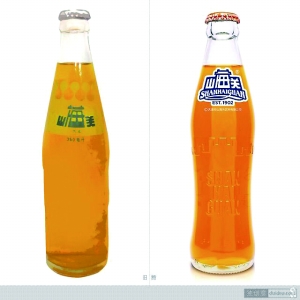
Shanhaiguan carbonated soft drinks

Following on the heels of the success of Beijing North Pole carbonated soft drink 北冰洋汽水, Tianjin Shanhaiguan carbonated soft drink 山海关汽水 announced it is making inroad into Beijing, the bastion of Beijing North Pole. The Tianjin Shanhaiguan carbonated soft drink was created in 1902 and was the earliest carbonated soft drink in China. Shanhaiguan returned to the market in August 2014 and has since sold more than 400,000 cases. Shanhaiguan comes in the same bottle as Beijing North Pole and with the same price.  Both are targeting at consumers seeking comfort from nostalgic food.

The demand for retro food is strong in China. For example, Beijing First Light Food Group 北京一轻食品集团 sold about 4mn cases of Beijing North Pole in 2014, of which one third was in the form of can and two-thirds in glass. The company will be introducing retro ice lolly during the summer of 2015. Beijing First Light Food Group now has a production capacity of over 50,000 cases of Beijing North Pole a day.

North Pole carbonated soft drink 北冰洋汽水

In Malaysia, we have our version of carbonated soft drinks in glass bottle called Tapping Tapir, which is positioned as a premium drink. It is sold mainly through the on-trade channel. The retro trend is less pronounced in Malaysia probably due to the fact that Malaysians did not experience massive social and economic changes as those in China. The rapidly changing urban landscape in China meant consumers no longer have a place to turn to reminiscent their childhood. The only thing that can remind them of their younger years is the food they consumed when they are young. Beijing North Pole and Tianjin Shanhaiguan carbonated soft drinks are well positioned to fill the role of comfort food and this is the key reason that helped to fuel their sales.

GST Watch: Baby & maternal milk prices return to pre-GST levels in May

Tesco Malaysia Online store check – Baby milk formula

It has been slightly over one month since the GST was implemented on 1 April 2015. We highlighted in an earlier post that some infant formula, which should not come under the 6% GST, has in fact saw their prices increased by 4.6% to 7%.

A check on Tesco Malaysia online store has revealed the prices of these infant milk formula have thankfully returned to the pre-GST level. Interestingly, Morinaga BF infant formula has become cheaper, while Isomil Soya Milk Powder has unfortunately become more expensive.

Tesco Malaysia Online store check – Maternal milk formula

Maternal and growing up milk powder also saw similar development with the retailer, Tesco, adjusting the prices of some products back to the pre-GST levels following a brief spike in early April 2015. It appears retailers are reassessing their prices to conform with government GST regulations and this is a positive development for consumers.

Tesco Malaysia online store check – Growing up milk

Why Penang White Curry Noodle not making headway in China and ways to address it

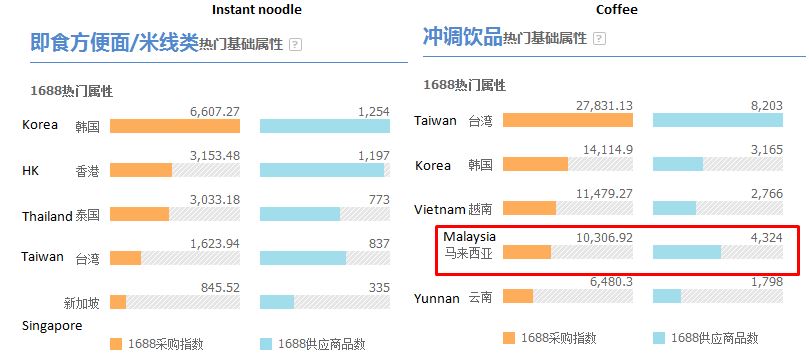
 Coffee and Instant Noodle popularity analysis by country of origin for the past 30 days on shu.taobao.com

One question that bothers me is why Malaysia has successfully created a market for 3-in-1 white coffee in China where even Nescafe has to come up with a similar range there but our instant noodle is languishing. OldTown has made it big in China but unfortunately, Malaysia did not even get a mention when it comes to instant noodle.

Korean noodle’s popularity in China is understandable, thanks to the Korean wave, which created a taste for spicy Korean ramyun. According to news report, Nongshim China sales in 2014 reached a record USD 180 million, up 28% citing the successful strategy of focusing on western China since early 2014. Hong Kong instant noodle is well received in southern China due to its geographical proximity with the mainland.

Thailand’s instant noodle gets a mention because of its delicious tom yum flavour boosted by the recent flood of Chinese tourists to Thailand. The Taiwanese dominate China’s instant noodle market through Tingyi (Master Kong) and Uni-President and naturally, Taiwan-made instant noodle has a market in China. As for Singapore, the island nation has successfully exported its instant noodle to China through Tat Hui Foods’ Koka.
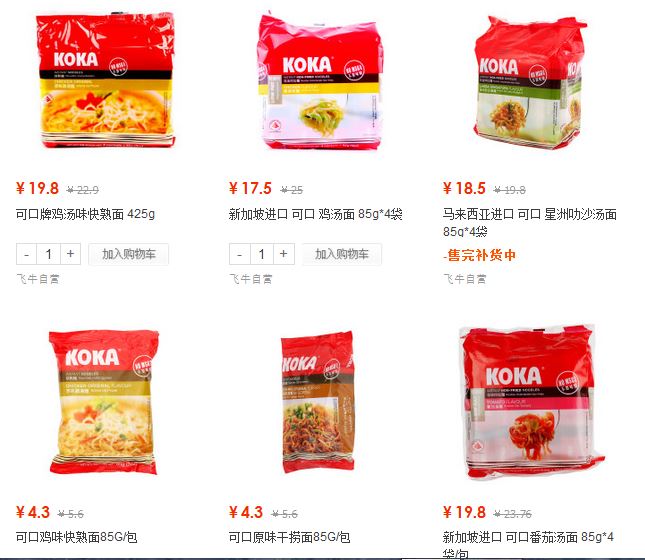
Singapore’s Koka instant noodle on RT-Mart’s Feiniu.com online store

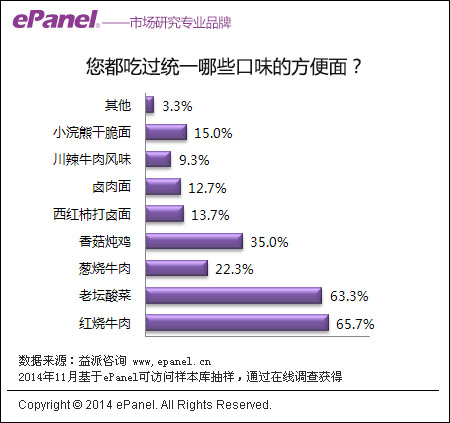
A survey by ePanel in November 2014 revealed the two most popularly eaten instant noodle flavours in China were braised beef (红烧牛肉) and Laotan spicy and sour (老坛酸菜). Others only accounted for 3.3%.

What flavours of instant noodles have you eaten?

MyKuali is famous for its spicy curry noodle but what Chinese consumers generally like is a different kind of spiciness, not those with coconut milk. However, taste can change as evidenced by the growth in cheese and yogurt consumption in China.

By analysing the search results on Taobao.com using shu.taobao.com, both Penang white curry noodle (槟城白咖喱面) and Thai instant noodle (泰国方便面) are popular in the southern province of Guangdong. Penang white curry noodle, in particular, is distinctly popular in Guangdong, a province known to be more receptive of Southeast Asian cuisines including curry. The cosmopolitan city of Shanghai is second when it comes to Penang white curry noodle, followed by Hubei in central China and Zhejiang in eastern China.
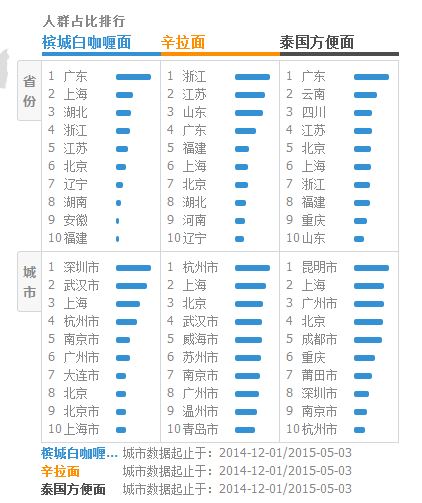
Most popular searches for Penang white curry (left), Korean Shin Ramyun (middle) and Thai instant noodle (right) by province (省份) and city (城市). Period 1 December 2014 to 3 May 2015

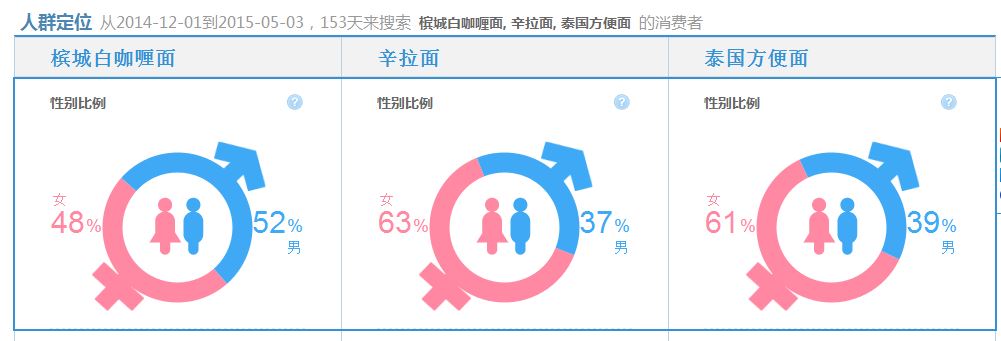
By gender, Chinese male consumers (52%) are more receptive towards Penang white curry noodle, while females dominate Thai instant noodle (61%) and Korean Shin Ramyun (辛拉面) at 63%. Male consumers are more likely to eat instant noodle as a mean to satisfy their hunger pangs but females are usually more particular about the taste. Therefore, it is important for Penang white curry noodle to capture the imagination of Chinese female consumers and turn them into repeat users and a word of mouth referal.
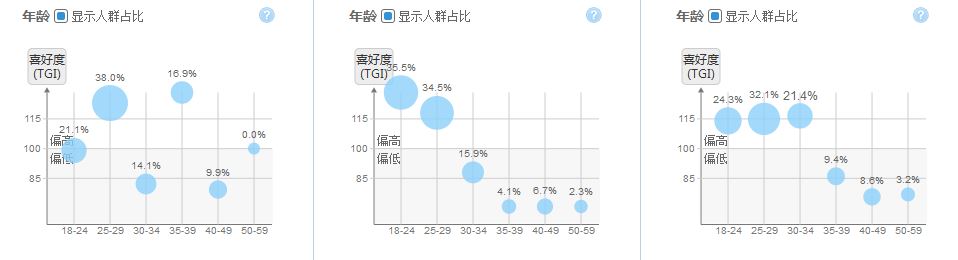
By age, it is very clear Shin Ramyun and Thai instant noodles are well received by young consumers below the age of 34. For Shin Ramyun, 70% of those who are interested in the product are below the age of 29. In contrast, consumers who are interested in Penang white curry noodle are older in age concentrating in the 25-29 age growth with 38%, 18-24 with 21.1% and 35-39 with 16.9%. So, it important for Penang white curry noodle to project a more youthful image to attract young consumers who are more likely to consume instant noodles compared to older consumers who are worried about the ill effect of instant noodle.
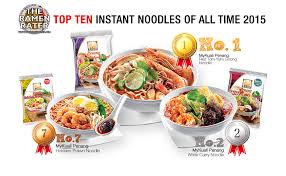
Despite Malaysia seeing 5 out of 10 instant noodles appearing on the latest The Ramen Rater top ten instant noodle list for 2015, there is still much work to be done to penetrate the China market. The first thing Penang white curry instant noodle makers need to do is to target female Chinese consumers, focusing their marketing efforts in southern and eastern China and use social media to reach out to young consumers.

Deyufang unveils first plant-protein drink for wedding, youth-oriented plant drink

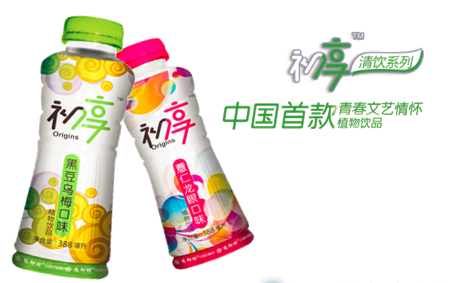
The bottle has become an artwork. China’s coarse grain (粗粮) producer maker Deyufang (德御坊) has recently unveiled Chu Xiang (初享) plant drink. Chu Xiang comes in two flavours – black bean and plum (黑豆乌梅) and Job’s tear and longan (薏仁龙眼).

Chu Xiang, literally means “early enjoyment” is targeted at white collar workers and students aged between 15 and 35. Youth (青春) is the key theme for this drink. For those who are still studying, they are enjoying their youthful years but for those who are already in the workforce, youth for them is a reminiscence.

Also launched is a new plant protein drink designed for celebratory occasions, which is the first of its kind in China. The coconut drink comes in the befitting auspicious 1,250ml red bottle. We all know weddings in China are usually accompanied by toasting and the infamous baijiu. It appears Deyufang wants to change all this with a more somber healthy beverage during weddings. Can this new plant protein drink serve its purpose? Can Chinese consumers say,  I am not only Finished with Fins but Finished with baijiu and wine?


Deyufang had revenues of 500 million yuan (US$80 million) in 2014.

By the way, Coca-Cola has announced the acquisition of Xiamen Culiangwang Beverage Technology Company, which forms a substantial part of China Culiangwang Beverages Holdings Limited, formerly China Green (Holdings) Limited. Xiamen Culiangwang focuses on making plant-protein drink. The acquisition sends a major signal plant-protein drink has become a must-have in the portfolio of MNCs.

Culiangwang

Danone Mizone reaching out to female users with new fiber series

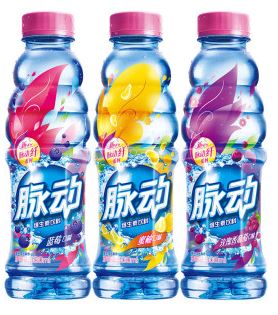
In China, Danone’s Maidong (Mizone) has inovated beyond flavour to introduce a feminine range under the 脉动纤系列 Mizone Fiber series in April 2015. Unlike other fiber drink with a contour bottle, the Mizone Fiber range retains the usual bottle design but it now comes with a pink closure and more vibrant colours. The eye-catchy, colourful packaging does amplify the feminine appeal.

When poured out, the flavoured water looks rather like normal water. The three flavours are blueberry, pomelo and rose grape.

Transparent

Products targeting the female market is now a new battleground for sports drink. At the moment, male accounts for 64% of consumers that are interested in Mizone, compared with 36% female. Mizone also attracts a much younger crowd 25-29 (33.9%), 18-24 (28.2%) and 30-34 (19.9%).

Mizone segmentation – shu.taobao.com (1 July 2011 to 2 May 2015)

The Mizone Fiber drink is a continuation of a series of campaigns by Danone to increase the appeal of Mizone among females. The earlier product Mizone Blueberry, launched in the second half of 2014, was aimed at female consumers.
I want to become Mizone Blueberry cover girl

The Mizone Fiber series contains essential vitamins to help female users restore their body to the optimum level. According to the marketing message, regardless whether one is fat, slim, tall or short, or whether one has a stunning body or pretend to be, one can still have all the confidence as long as one has recovered to the normal state of well being (恢复状态).

It is time to broaden the appeal of sports and energy drinks to unlock opportunities within the female target with the right occasions and the right messages eg restoration and beauty.

Red Bull (left), Ichimore (middle) and Mizone (right) – Shu.Taobao.com from 1 July 2015 to 2 May 2015. Blue is male and pink is female

New Jiangzhong enzyme effervescent tablet launched, analysed using Taobao analytical platform

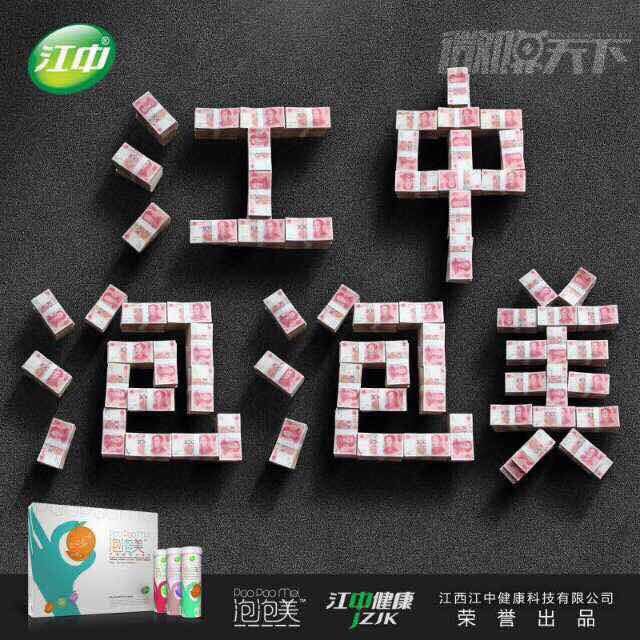
China’s Jiangzhong Pharmaceutical, the company behind the ‘monkey head mushroom’ (lion’s mane mushroom) biscuit, has introduced to the market a new fruit and vegetable enzyme effervescent tablet (江中泡泡美果蔬酵素泡腾片), which assists in weight loss. The manufacturer is 江西江中健康科技有限公司 Jiangxi Jiangzhong Health Technology Co., Ltd.

Paopaomei

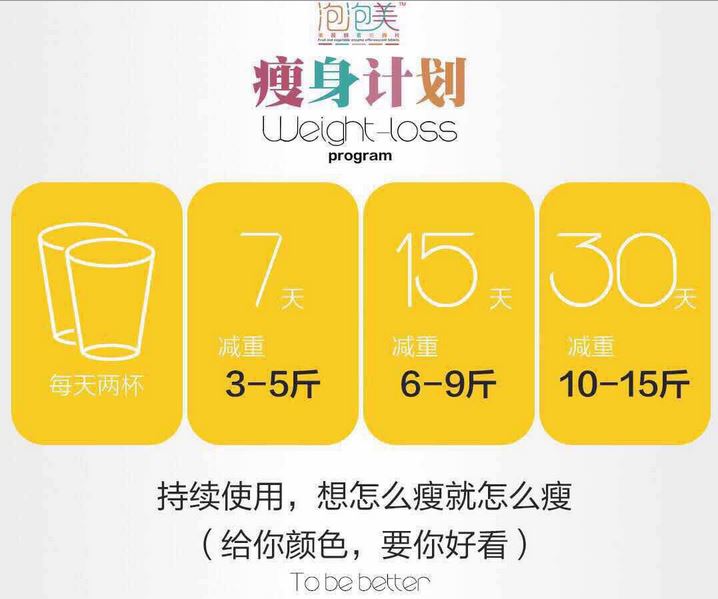
With two glasses per day, the Paopaomei effervescent tablet is said to reduce the body weight by 3-5kg in seven days, 6-9kg in 15 days and 10-15kg in 30 days.

Paopaomei weight loss programme

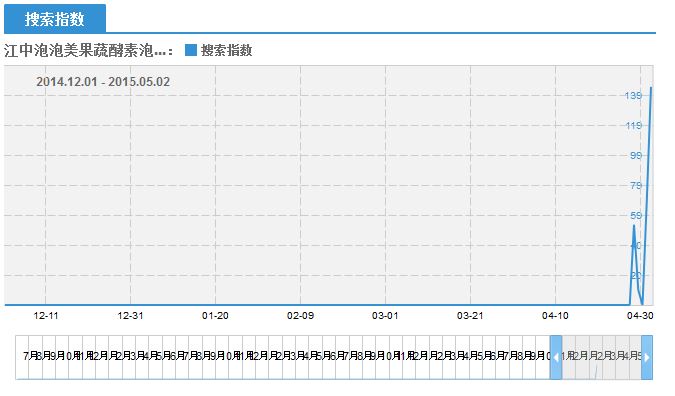
Using Taobao.com’s shu.taobao.com analytical platform, we know that this product starts to receive consumer attention following its launch in April 2015 as reflected in the search index, which starts to pick up.

This product receives a lot of attention from consumers from southern and eastern China. Most of the searches come from consumers in the southern Chinese provinces of Guangdong and Fujian, followed by Zhejiang in eastern China third and Shandong in northern China fourth.
It is a surprise to see male consumers accounted for 57% of those who searched for the new effervescent tablet. Are they buying for themselves or for their female partners? By age group, an overwhelming 40.8% are those that fall in the 25-29 age category, a group who is starting to become very conscious of their body image.

There are other functions on shu.taobao.com. What this article wants to bring out is readers can use this platform, which covers China’s biggest C2C market Taobao.com and B2C marketplace Tmall.com, to analyse product trends in China.

HOT NEWS

Distribution of Delicious Wholesome Meals to Keep Healthcare Front-Liners Nourished

0
Kenny Rogers ROASTERS delivers 900 sets of Kenny’s Quarter Meals during Malaysia’s combat against COVID-19 Sungai Buloh, 26 March 2020 – Kenny Rogers ROASTERS delivered...

MUST READ

Etika is Looking for Two Potential Millionaires in September!

0
10 finalists were selected in August to battle it out for the first millionaire crown of the contest 1 finalist walked away with RM10,000 cash...