Home Blog Page 1121

Brief look at Iranian dairy industries and liquid milk category
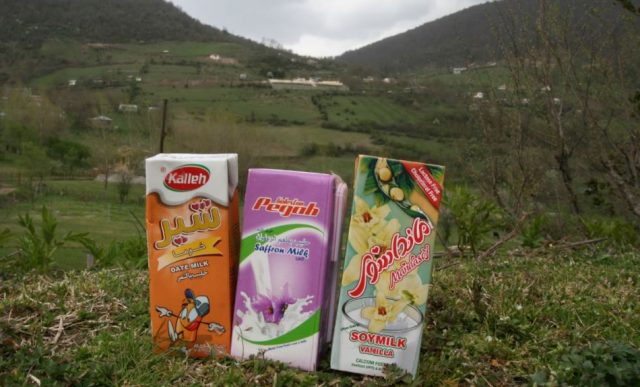
Photo taken by the author in Subatan, Gilan Province, Iran

Dairy powerhouse

Iran is a dairy powerhouse in the Middle East. According to the head of Holstein Association of Iran, Mohammad Reza Sanjabi, the country is the Middle East’s second biggest exporter of dairy products after Turkey. By the end of the Iranian year (20 March 2017), dairy product exports from Iran would expect to reach USD 650 million, said the Dairy Industries Association of Iran  cited by Financial Tribune on 19 December 2016.

Iraq is a main export destination for Iranian milk. Iraq imports from Iran some 20% of the USD 600 million dairy products it bought from abroad, according to Ali Roumi, managing director of Food, Agriculture and Pharmaceuticals Holding of the Civil Servants Pension Organization.

Key players

The key players are Iran Dairy Industries Co. (Pegah), Kalleh Dairy Company, Mihan Dairy Group, Sahar Dairy, Damdaran Holding, Teen Dairy Products Company and Pak Dairy Company. Listed on the Tehran Stock Exchange are Pak Dairy, Kalber Dairy, Isfahan Pegah Dairy, Khorasan Pegah Dairy and West Azarbaijan Pegah. The revenue of one of the top players,  Kalleh, was expected to reach USD 300 million for the 12 months ending March 2016.
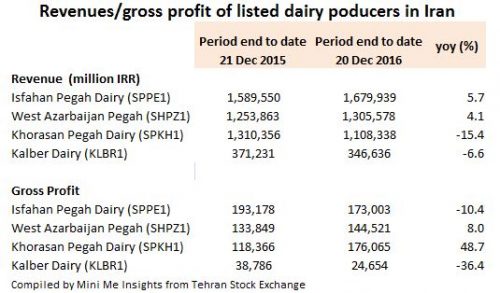
It is not known whether the “period end to date” is for 12 months to December or for certain period of the year.

Top brands in dairy

The top brands in dairy as announced by the Trade Promotion Organization of Iran for the year ending 20 March 2017 are Kalleh, Pegah and Mihan.

Mihan Dairy Group was the 10th largest seller of ice cream in the world in 2015 with sales of USD 575 million, according to Euromonitor. Mihan’s corporate website claims it has 65% of the market share in ice cream and 50% of the market share in UHT milk.

Below are some examples of liquid milk in Iran.

Lactose free
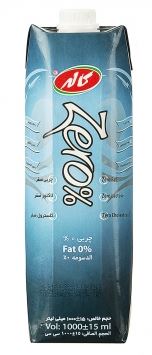
Image from Shahrvand.ir

Lactose free UHT milk by Kalleh. The price is IRR 34,000 for a 1L in Tetra Pak carton packaging.
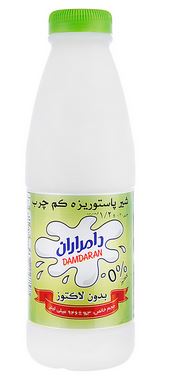
Image from Shahrvand.ir

Damdaran lactose free milk. Priced at IRR 24,840 for a 1 litre in a plastic bottle.

Low lactose
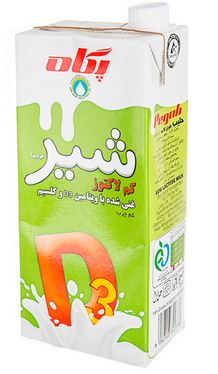
Pegah low-lactose vitamin D3 fortified milk is selling for IRR 34,300 (1L – Tetra Pak).

Fortified milk
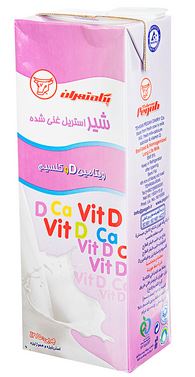
Image from shahrvand.ir

This Pegah UHT milk is fortified with Vitamin D and C and has calcium. The selling price is IRR 49,000 per 1.5L in Tetra Pak.
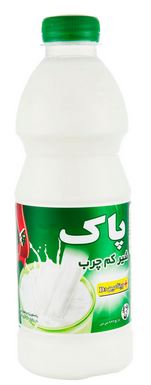
Image from shahrvand.ir

Milk by لیتری پاک  is fortified with vitamin D3. The price is IR 26,000 per 1 litre pack in a plastic bottle.


Enriched with Omega 3
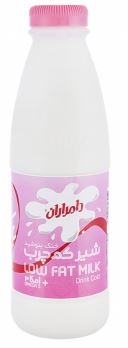
Image from shahrvand.ir

Pasteurised low fat milk enriched with omega 3. It is made from fresh cow’s milk. The fat content is 1.2 ± 0.2% gram. It is made by Teen Dairy. The volume is 946ml ± 3%ml and the price is IRR 23,000.

Flavoured milk – Cocoa Milk
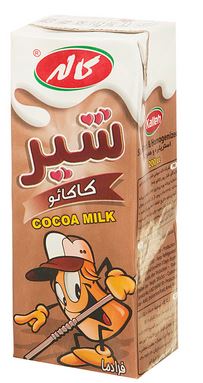
Image from shahrvand.ir

This Kalleh Cocoa Milk is priced at IRR 12,000 per 200ml.

Coffee milk
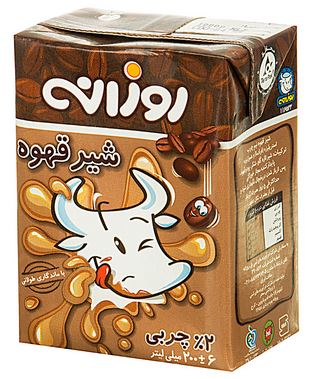
Image from shahrvand.ir

Coffee milk from Bel Rouzaneh, the joint venture between Bel and Sahar-Dairy. This 200ml coffee milk is sold at IRR 9,800 and comes in a Tetra Pak.
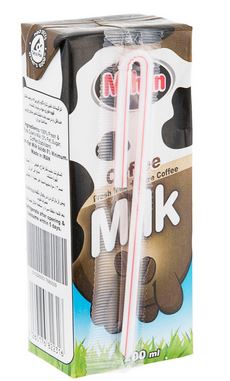
Image from shahrvand.ir

Mihan Dairy’s coffee milk made from fresh milk iselling at IRR 9,700 for 200ml (Tetra Pak).

For children in triangle pouch
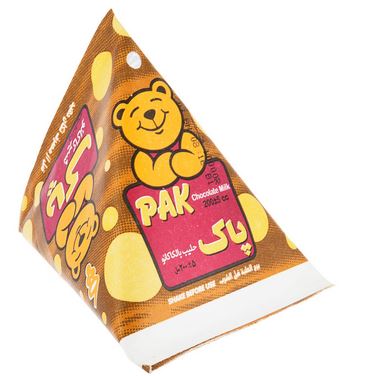
Image from shahrvand.ir

Pak chocolate milk in triangle pouch retailed at IRR 9,000 per a 200ml pouch.

Honey milk
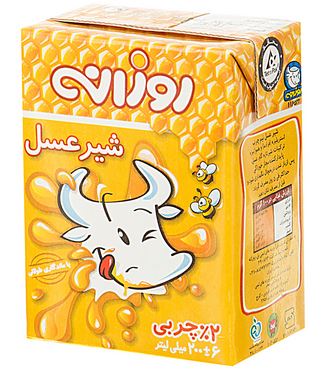
Image from shahrvand.ir

Honey milk from Bel Rouzaneh retailed at IRR 9,800 for a 200ml pack in Tetra Pak.
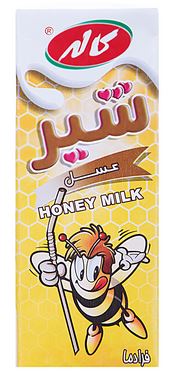
Image from shahrvand.ir

Kalleh honey milk is priced at IRR 13,300 for 200ml.
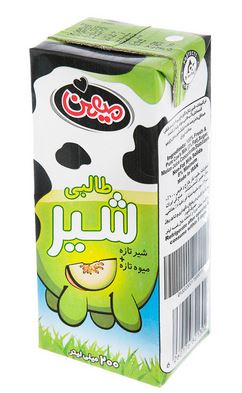
 Cantaloupe milk
Image from shahrvand.ir

Mihan Dairy’s cantaloupe milk in 200ml Tetra Pak selling at IRR 9,700.

Strawberry milk
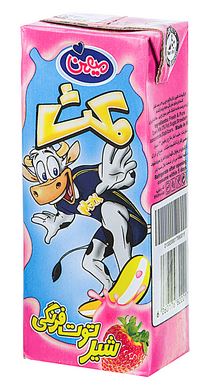
Image from shahrvand.ir

Mihan Dairy strawberry milk priced at IRR 9,700 for a 200ml in Tetra Pak.

Banana Milk
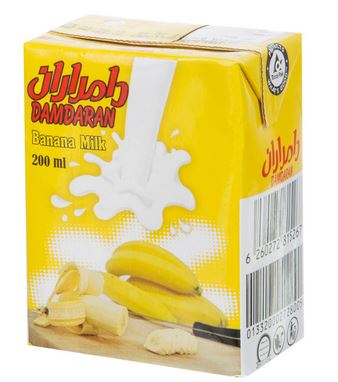
Image from shahrvand.ir

Damdaran’s banana milk is 200ml Tetra Pak selling at IRR 11,040.
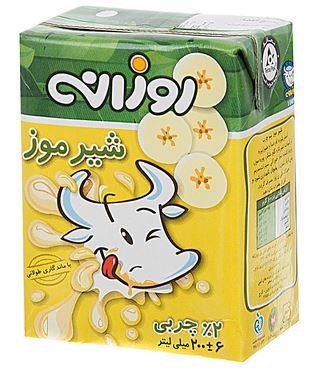
Image from shahrvand.ir

Banana milk (200ml – Tetra Pak) from Bel Rouzaneh selling at IRR 11,760.
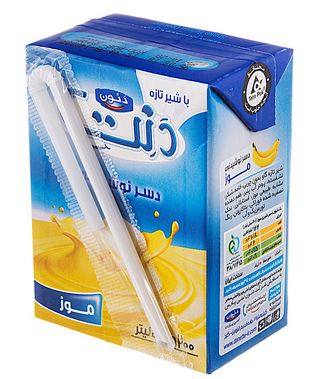
Image from shahrvand.ir

Danone Danette banana milk dessert is priced at IRR 12,600 for a 200ml in Tetra Pak. The Danone Danette range comprises the honey, cantaloupe, chocolate coconut, cappuccino, banana, and chocolate flavours.
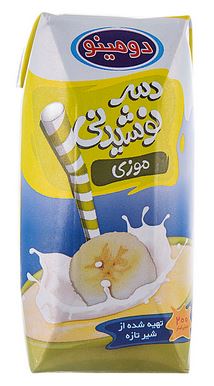
Image from shahrvand.ir

Dairy banana dessert drink 200ml selling at IRR 13,300 produced by Domino Dairy & Ice Cream Co.

Carrot milk
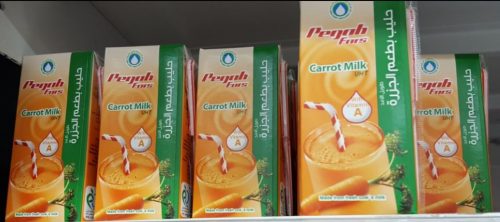
Photo taken by the author

Pegah carrot milk (IRR 11,600).

Rose water and saffron milk
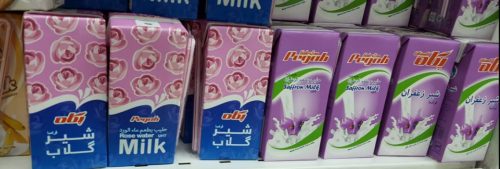
Photo taken by the author

Pegah rose water UHT milk (IRR 12,350) and Pegah saffron UHT milk (IRR 13,300).

Date milk
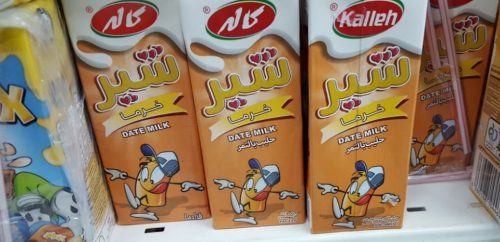
Photo taken by the author

Kalleh date milk 200ml – IRR 12,350.

What Mini Me thinks

Saffron, rosewater and date flavoured UHT milk are interesting examples of localised flavours for UHT milk.

As for the banana flavour, it is not at all a surprise to see banana is popular with Iranians. The fruit is widely sold on the streets. Iran does not grow bananas. It has to import from countries like Ecuador,  India and Costa Rica. What surprises me is the acceptance of banana as a flavour in milk.

It is also interesting to discover there are lactose-free and low-lactose liquid milk options considering the fact that dairy is important in the Iranian diet. Dairy is eaten from young. But there is a section of society that faces the problem digesting lactose and this opens up the opportunity for lactose-free dairy products.
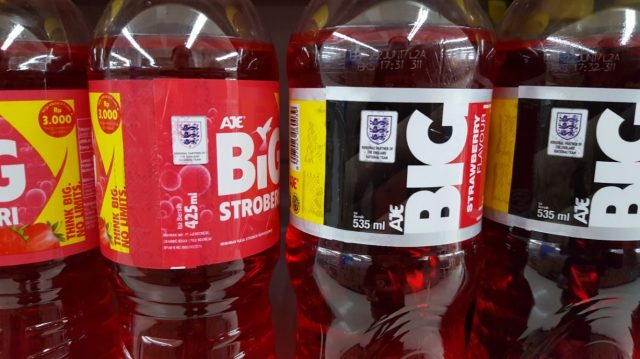
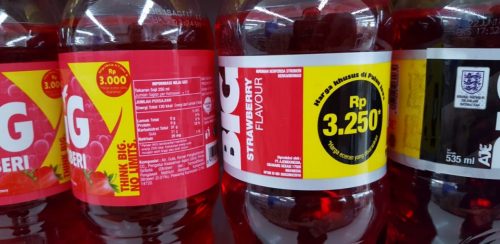
Big Cola shrinks its size to 425ml

Image taken by the author

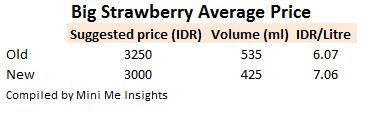
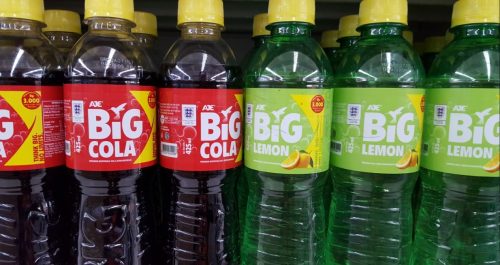
In Indonesia, the packaging size of Aje Big carbonated soft drinks with the recommended price appears to have shrunk from 535ml to 425ml. At the same time, the suggested retail price for the flavoured variant (eg strawberry) has been reduced to IDR 3,000 (USD 0.23) from IDR 3,250, while the price of the cola variant remains unchanged at IDR 3,000. In addition to the reduction in volume and price, the packaging design has been given a makeover.

New pack size on the left. Image above was captured by the author

No price hike for years

Since it was introduced in 2010, Aje Big Cola (535ml) has always been sold at IDR 3,000. Speaking to MIX Marcomm magazine in 2015, PT AJE Indonesia Commercial Director M Aswan Nasution said the brand has not increased its price since 2010. The most likely reason for the capping of the price at IDR 3,000 was Aje Indonesia was focusing on winning the volume game in competition with Pepsi and Coca-Cola.

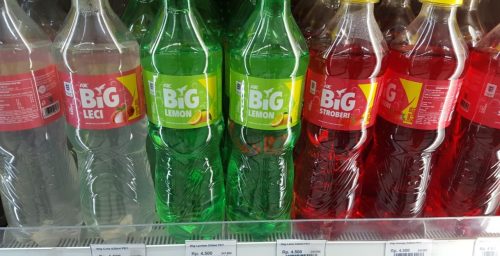
All Aje Big flavours now have a size of 425ml. Image above was taken by the author

Product launching timeline

  • Big Cola 300ml – October 2014
  • Sporade isotonic drink – October 2014 (likely to be have been withdrawn from the market)
  • Big Fress carbonated juice drink – 2015
  • Cielo bottled water – April 2015

Versus competitors

With the new price at IDR 3,000, the 425ml Aje Big Strawberry (PET) is still cheap compared to Coca-Cola’s 390ml (PET) at IDR 4,000 and Pepsi’s 410ml (PET) IDR 5,520 (promotion price IDR 3,680). The new price and volume nevertheless ensures Aje Big still continues to have a competitive edge over its rivals.

Existing 535ml with new packaging for c-store

It is a different scenario at 7-Eleven (image above) where the 535ml packaging size survives and comes with the new packaging. The recommended selling price is not stated on the packaging as the convenience store charges a higher price for the convenience offered. The 535ml drink is priced at IDR 4,500 at 7-Eleven.


Aqua promotes hydration to millennials

Failure to concentrate

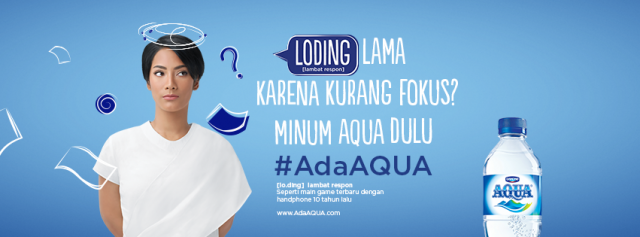
To promote the concept of hydration as the key to concentration, Danone’s Aqua bottled water has launched a marketing campaign “Apa momen gagal fokusmu” or “What’s the moment for not being able to concentrate”.

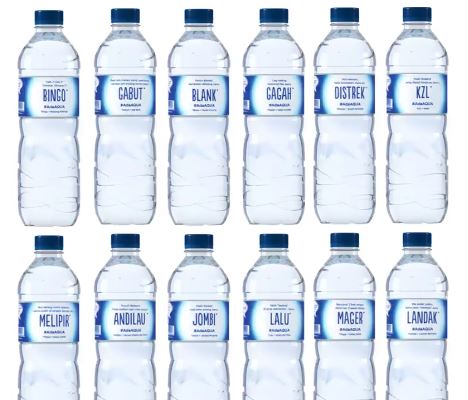
The brand has come out with a list of cool abbreviations, targeting millennials, to explain “the moment” one fails to concentrate.

Here is a list of the many reasons why one cannot concentrate. The lingos are featured on the front packaging with the full explanation on the back of the bottle.

  1. Blankpikiran kosong‘ – The mind is empty
  2. Magermales gerak‘ – Cannot make the body move even though you have work to do
  3. Lodinglambat respon‘ – The feeling is like playing the latest game on a 10-year-old handphone
  4. Terkurasterlihat kurang cerdas‘ – Off topic not because you have low IQ but because you cannot concentrate

By speaking the language of the millennials, Danone is able to effectively link the lack of focus with hydration and provide a solution – drink more water.

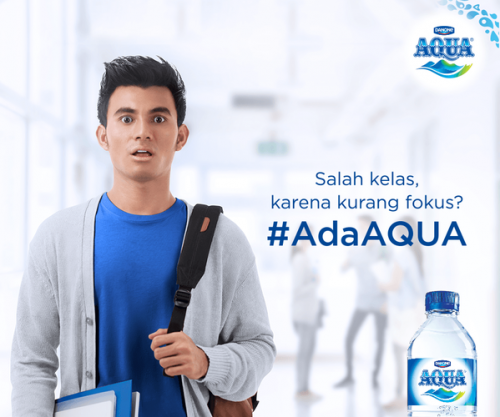
Attended the wrong class because of the lack of concentration. Luckily there is Aqua. Image above from Aqua website

The main message is if you keep yourself hydrated, you can avoid getting yourself into unexpected situation like the example of the man below who thought he was going diving but ended up skydiving. The final catch phrase is there is always Aqua (#AdaAQUA).

What Mini Me thinks

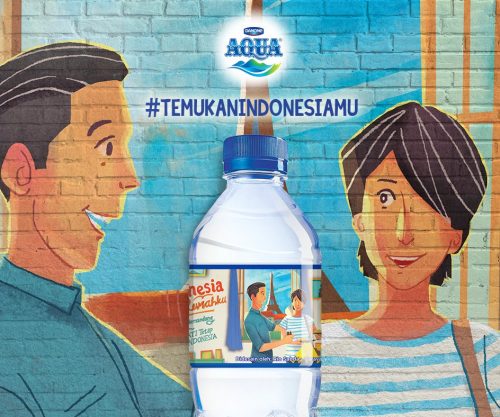
Finding your Indonesia. Image above from the web

Danone’s Aqua is extremely creative with its marketing whether it is for corporate social responsibility (CSR) with “Aqua One for Ten” (#1Untuk10) to bring clean water to the needy or celebrating Indonesia with “Finding your Indonesia” (#TemukanIndonesiamu)

Modern consumers are troubled by their inability to focus due to their hectic life. The need to concentrate on the job or study provides Danone with a good opportunity to market Aqua as the modern day solution by creatively making hydration inseparable from concentration.

Dutch Lady switches to SIG Combibloc

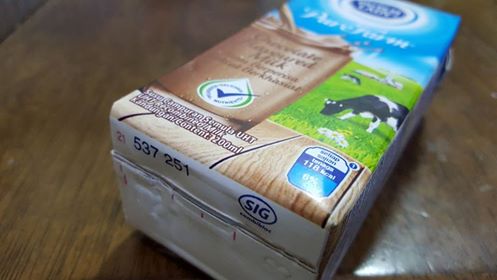
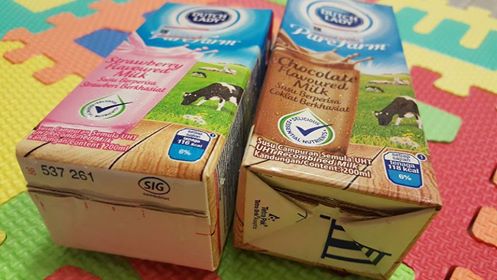
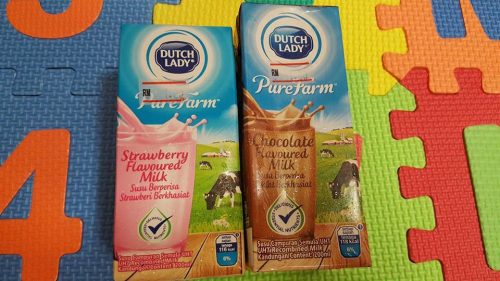
FrieslandCampina’s Dutch Lady has apparently switched its aseptic carton supplier from Tetra Pak to SIG for some of its products. The Dutch Lady’s flavoured UHT milk in Malaysia currently uses both Tetra Pak Tetra Brik Aseptic and SIG Combibloc with the flavoured UHT milk (200ml) containing the newer manufacturing date employing SIG Combibloc.

The example below are both 200ml. The Tetra Pak Tetra Brik Aseptic packaging is taller and narrower, while the newer SIG Combibloc is shorter and wider.

So far, Dutch Lady is seen using the SIG Combibloc only for the 200ml flavoured UHT milk. F&N Magnolia is the other UHT milk player in Malaysia that is using SIG Combibloc.


Cocoxim cultivates packaged coconut water category in Vietnam

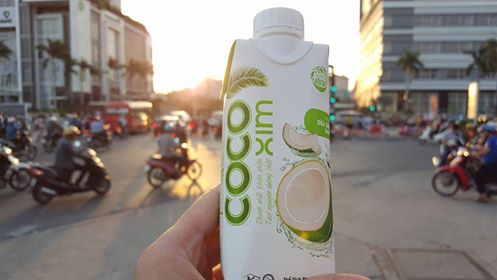
Image by the author

Vietnam’s domestic packaged coconut water market remains underdeveloped. This is despite the country being the 8th biggest producer of coconut-related products in the world. Moreover, the country’s share of high valued added coconut products like coconut water is small as most suppliers receive their coconut water from Thailand, Philippines and Indonesia.

Fresh coconut rules

Vietnam faces the same issue as the rest of Southeast Asia, a region that has an abundant of fresh coconuts. Consumers have grown up accustomed to the taste of fresh coconuts but this can change. We have seen this happening in Indonesia, the Philippines, Malaysia and Thailand where consumers are becoming receptive to packaged coconut water.

Common positioning

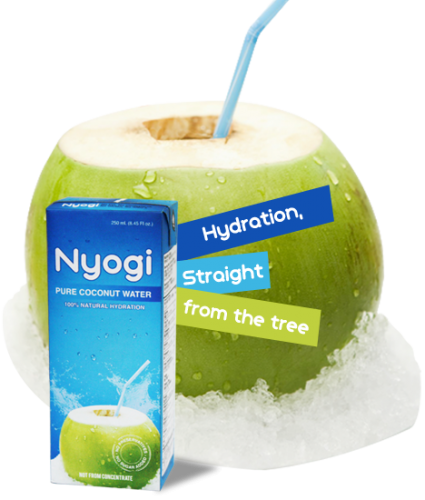
The most common positioning of coconut water is as a hydrating drink to replace lost fluid to support the active lifestyle. This puts coconut water in strong competition with sports drink as coconut water is marketed as a drink for “natural hydration.”

Cocoxim bringing packaged coconut to Vietnam

A lot of coconut water producers in Vietnam focus on the export market. For Bertimex, the leading manufacturer and exporter of coconut water in Vietnam, the company not only taps the export market but is also working to grow the packaged coconut water domestically.

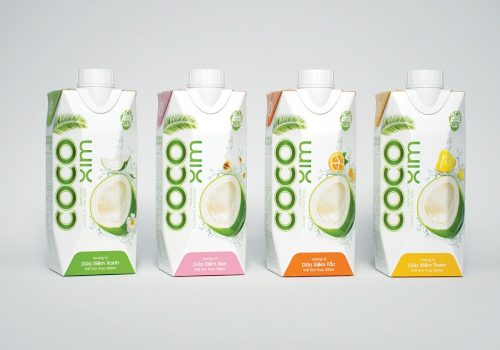
Image above from packagingoftheworld.com

Its packaged coconut water Cocoxim is made with Tetra Pak TetraPrisma Aseptic packaging. The packaging is produced with 6 material layers with the DreamCap closure to lock in the benefits of the coconut. The coconut water comes from Ben Tre, lauded as the “coconut capital” of Vietnam.

Cocoxim is also the first coconut water in Vietnam infused with tropical fruit flavor. The range comes in four flavours – original, orange, lotus seed and kumquat.

Widely available

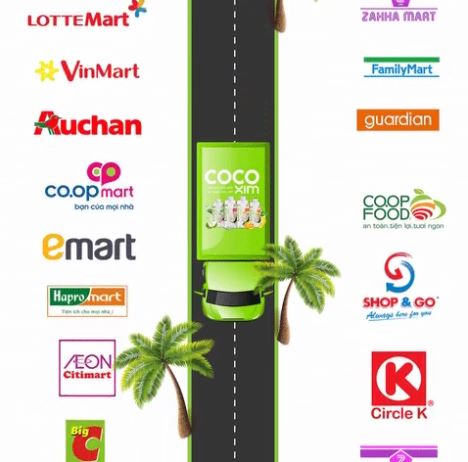
Cocoxim is available at Shop&Go, Aeon, Aeon Citimart, Auchan, BigC, CricleK, Co.op, CoopFood, Emart, FamilyMart, Guardian, LotteMart, Văn Lang and Vinmart.

Marketing of Cocoxim

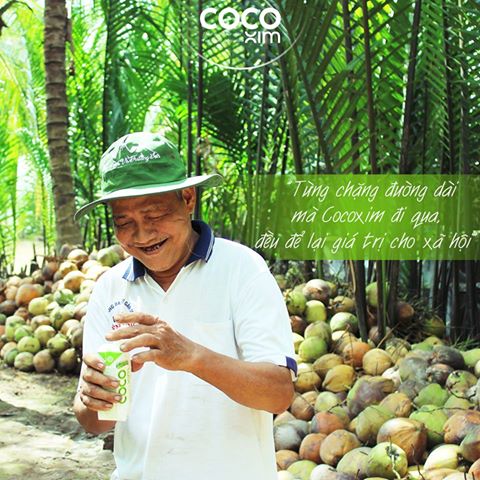
Bertimex is promoting Cocoxim by harnessing the provenance appeal with the coconut water sourced from Ben Tre. The marketing materials feature stories of local coconut farmers sharing their experience about coconut cultivating.

Uncle Mười – a coconut farmer from Bentre – sharing his experience about coconut cultivating. Image above from Cocoxim

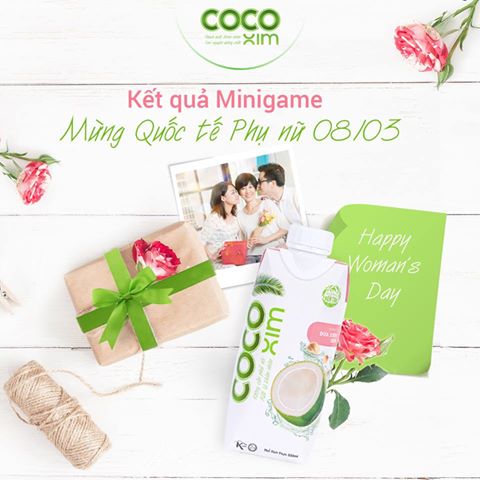
Apart from highlighting the natural, purity and healthy credentials of Cocoxim, the brand is also localising its marketing message to tie in with the different celebratory occasions such as Women’s Day.

Women’s Day. Image above from Cocoxim

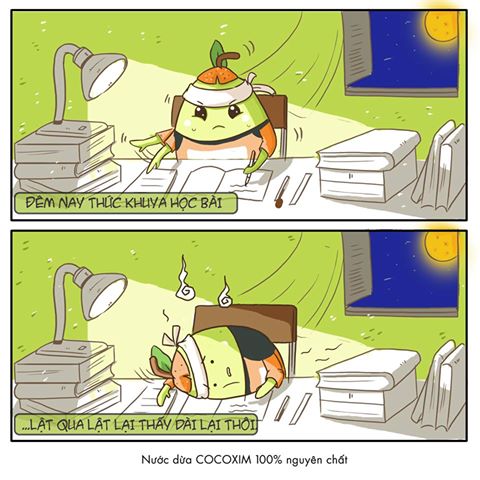
The marketing message is also crafted to make the product relevant to the lifestyle of millennials who the group that is most willing to try new beverages.

Preparing for exam. Image above from Cocoxim
Organic coconut water

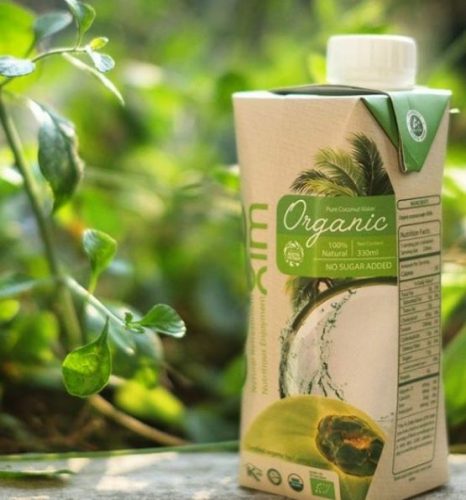
The latest development is the organic version of Cocoxim will debut soon, according to the latest post on Cocoxim Instagram on 27 April 2017. The organic coconut water is not added with sugar.

What Mini Me thinks

As packaged coconut water is still a nascent category in Vietnam, Cocoxim’s move to establish itself as a leading brand in the segment is laudable. As the saying says, the early bird gets the worm, Cocoxim can carve for itself the leadership position in packaged coconut water. However, there is still a lot of work laying ahead, which requires strong marketing effort to localise and spread the product benefit message to consumers who prefer fresh over packaged coconut water.


Wilkins Delight adds flavour to water

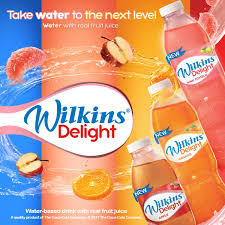
Coca-Cola FEMSA Philippines has launched Wilkins Delight,  the first water – flavored with real fruit juice, in the Philippines on 5 April 2017. Wilkins is a distilled drinking water known as the standard of purity and safety in bottled water among consumers in the Philippines.

Targeting young adults

Now, Coca-Cola has extended the brand into flavoured water for young adults (the millennials) and anyone who want more than just water.

#AddColourToLife

“Young adults hate boredom. They want their lives to be interesting and colorful,” said Stephan Czypionka, Coca-Cola Philippines Vice President for Marketing. “They want to see new places, meet new people, and taste new colorful products that are not only healthy but also hydrating and entertaining to their taste buds.”

https://www.youtube.com/watch?v=ZGnY2z8d93Q

Key USP

The key USP of Wilkins Delight is it is made from Wilkins pure drinking water (safety) and infused flavor from real fruits (good for you).

Available in three flavours and 2 sizes

Wilkins Delight comes in three flavors: Apple, Pomelo, and Orange—comes in a 250- and 425-ml bottles with SRPs of P10 and P15, respectively. The product is available in leading supermarkets, groceries, convenience stores, and other retail outlets nationwide.

Competitive landscape

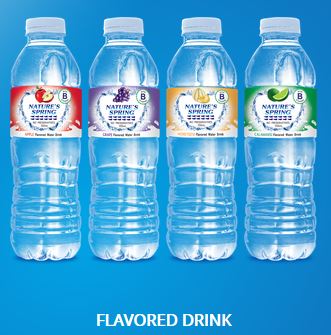
With carbonated soft drinks struggling to keep up with consumer shifting taste for delightful yet healthier option, brands are turning to flavoured water or vitamin water to fill the gap. We have URC’s B’lue, which is described as a “surprising drink plus water,” and Nature’s Spring flavoured water, which is a water-based drink with fruity twist flavors.

The Nature’s Spring flavoured water is made by the bottled water company Philippine Spring Water Resources Inc. It contains Vitamin B1, B3, B6, and B12 and is touted as a “healthier alternative than soft drinks” by the brand owner.

What Mini Me thinks

We are seeing a shift in product innovation towards products that are seen as having the fun yet healthier proposition. Flavoured water category has room to grow as it is new and ties in well with Filipinos who generally have a sweet tooth.

It also adds an extra revenue stream for sweetened beverage brand owners in view of the expected implementation of the proposed soda tax on soft drinks, fruit drinks, sports drinks, sweetened tea and coffee drinks, energy drinks and all other non-alcoholic beverages that are ready-to-drink and in powder form.

Flavoured water is expected to be excluded as the proposed soda tax excludes natural fruit juices, natural vegetable juices, yogurt, milk products, meal replacement beverages or medical food as well as weight loss products.


Suntory goes mainstream with carbonated Lucozade Sport

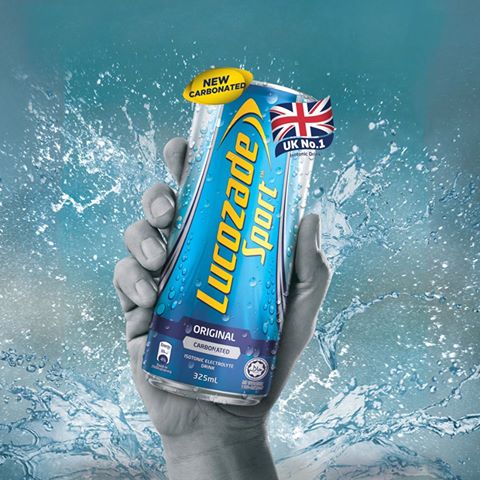
Beverage companies in Malaysia are adding a sparkling touch to their portfolio to attract millennials as well as making their beverages more appealing to a wider audience. We have seen this with Warrior energy drink, Ribena sparkling and now with Lucozade Sport.

Carbonated Lucozade coming soon

Suntory Beverage & Food Malaysia has hinted on the Lucozade Sport Malaysia Facebook page on 23 April 2017 that it would introduce something in a can.

We know what’s going on.

Image above from Lucozade Singapore Facebook

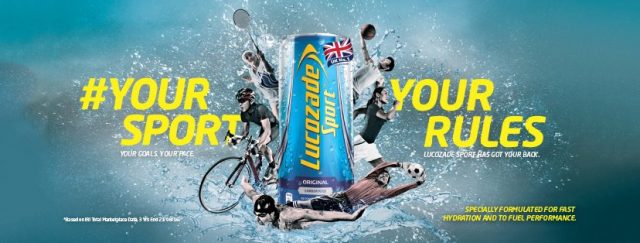
The Lucozade Sport Singapore Facebook page has already revealed the answer on 1 April 2017. The new canned and carbonated Lucozade Sport will be the third variant after the non-carbonated orange flavour, which first appeared at the end of 2015, followed by the still lemon flavour a year later in 2016.

Premium pricing

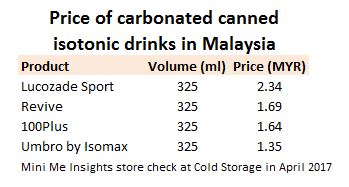
The Lucozade Sport carbonated isotonic drink is the most expensive in the category, which makes us wonder how it can compete with the more popular 100Plus and Revive.

What Mini Me thinks

The carbonated Lucozade Sport will enable the brand to stay relevant in the isotonic category where the majority of consumers are familiar with the fizzy taste of 100Plus and Revive. The move to release the fizzy Lucozade Sport can be also seen in light of Suntory’s ambition to grow its market share in the isotonic beverage market. However, the premium pricing means it will become an uphill battle to attract the ordinary consumers to switch to Lucozade Sport.

Fat burning coconut water designed for active female

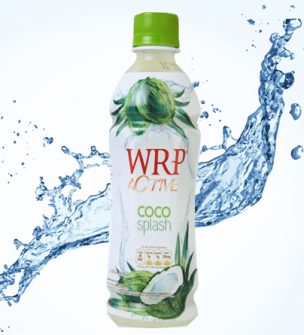
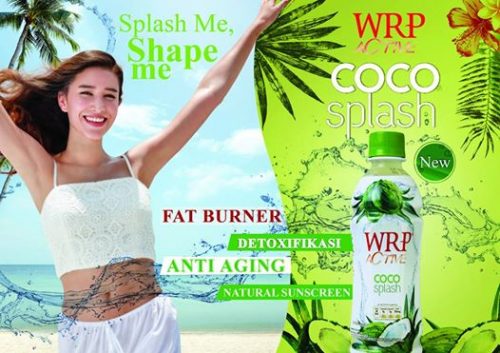
The Indonesian packaged coconut water market has evolved into the functional space following the debut of WRP Active Coco Splash in April 2017. The new coconut water is made by PT Nutrifood Indonesia.

The WRP brand helps women achieve goals of weight loss, maintain ideal weight, and improve body shape. The new WRP Active Coco Splash continues with the brand mission to reduce fat with L-Carnitine, also known as a fat burner. It is aimed at women to help them to get the right body shape.

For active women

The WRP Active Coco Splash claims coconut water is the best friend for women. Not only it has the detox benefit, coconut water also makes you look good and feel young. The drink is best consumed while doing sporting activities to replace lost ion. Apart from that, the functional coconut water can be consumed while travelling or on-the-go because it has the protection and maintenance function.

The product was first conceived from the needs of women who are undergoing intense sporting activities and require a drink that only helps them with physical activities but also a drink that can protect their appearance, said WRP general brand manager Nofa Sumawarti.

Even though WRP Active Coco Splash is aimed at women, it can also be consumed by men.

Key ingredients

WRP Active Coco Splash does not contain artificial sweetener. Here are the key ingredients.

Water, coconut water (40%), grape sugar concentrate, creatine, vitamin C, L-Carnitine, calcium lactate, natural identical coconut flavour, acidity regulator (citric acid, sodium citrate), soybean powder, Sodium benzoate and potassium sorbate.

The serving size per bottle is 350ml. The total energy is 80 kcal. The sodium level is 160mg per 350ml and potassium is 400mg.

5K Run

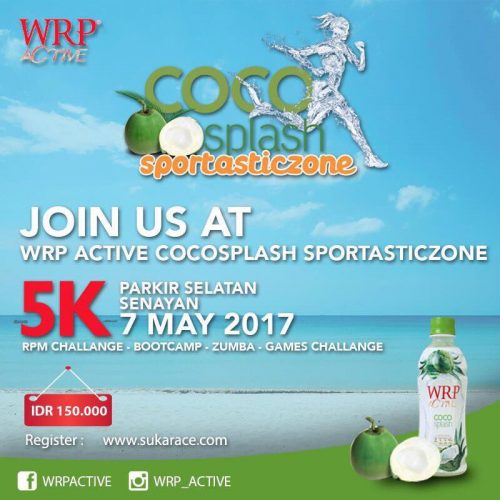
The brand is organising a 5km run in Jakarta on 7 May 2017 to reinforce WRP’s active lifestyle positioning.

What Mini Me thinks

The introduction of WRP Active Coco Splash is a game changer in the coconut water scene. It elevates coconut water from a simple hydration drink into a functional beverage. It also brings the category closer to females of all ages by demonstrating coconut water as a platform for wellness and beauty through the inclusion of the fat burning ingredient L-Carnitine.

100Plus awarded Healthier Choice logo in Malaysia

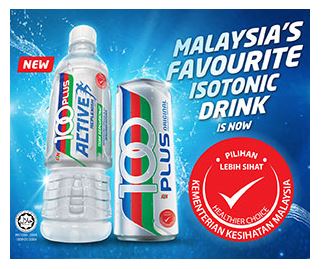
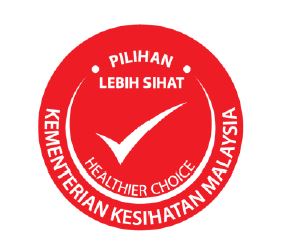
F&N’s 100Plus has received the Healthier Choice logo by the Ministry of Health of Malaysia (but is it true? see bottom of the page). This would make Malaysia the third country where 100Plus has received a similar Healthier Choice logo after Singapore and Thailand. In Thailand, the isotonic drink was given the Healthier Choice logo in 2016.

New Healthier Choice logo criteria released

The Nutrition Division of the Ministry of Health Malaysia has released the nutrient criteria for the Healthier Choice logo in April 2017. Click here to download the document.

The nutrient criteria covers five eight food and drink categories:

  • Cereals
  • Fruit & Vegetables
  • Meat & Poultry
  • Fish & Fish Products
  • Dairy & Dairy Products
  • Beverages
  • Soup, Sauces and Recipe Mixes
  • Fats & Oil

Here are some examples:

As of 21 April 2017, 18 companies with 42 products received HCL recognition, said Deputy Health Minister Datuk Seri Dr Hilmi Yahaya.

What Mini Me thinks

The introduction of the Healthier Choice logo (HCL) in Malaysia is in line with the initiatives of regional governments to provide their population with dietary guidance to combat rising obesity rates in the region. The debut of HCL will no doubt set the tone for local manufacturers to embrace healthier choices. This will ensure their products are perceived as healthier than their competitors and in line with consumer’s search for healthy eating option.

Does 100Plus qualify for HCL?

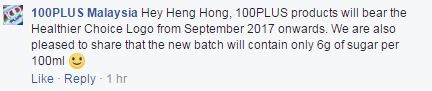
A reader has asked does 100Plus qualify for HCL since its total sugar (jumlah gula) is 6.6g per 100ml. The nutrient criteria clearly states the total sugar of isotonic electrolyte drink must be less or equal to 6g per 100ml.

Lucozade Sport (carbonated) is the only isotonic drink that meets the criteria as it has the lowest total sugar of 6g per 100ml among the four popular brands.

The author has finally received clarification from F&N on 5 May 2017. Here is the official reply:

Hydro Coco Bits taps into fun and healthy positioning

Competitive chewable nata de coco beverage category

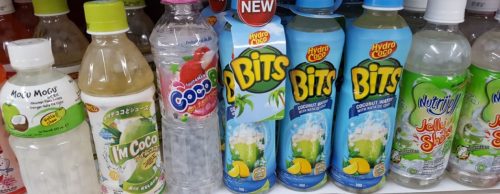
The chewable drink category is a highly competitive category in Indonesia. Beverages with nata de coco include Mogu Mogu from Thailand’s Sappe, Fruitamin CocoBit from Indofood Asahi, Nutrijell Jelly Shake from PT Aloe Vera Indonesia and I’m Coco from PT Niramas Utama (Inaco).

A selection of nata de coco beverages in Indonesia. Image by the author

Hydro Coco Bits

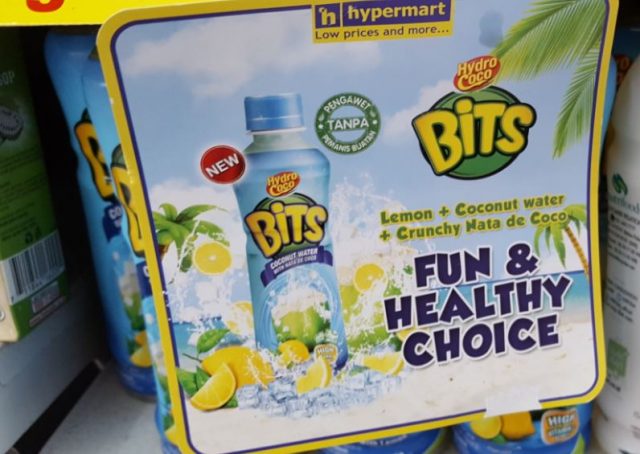
PT Kalbe Farma Tbk, the company behind the Hydro Coco coconut drink, has extended the brand into the chewable segment with the new Hydro Coco Bits. Launched in the first quarter of 2017, Hydro Coco Bits does not have artificial sweetener and no preservatives.

Key ingredients

The key ingredients are water, coconut water, fructose, nata de coco (5%), cane sugar, nature identical coconut water flavour, lemon puree (0.1%), acidity regulator (malic acid, citric acid), sodium chloride, nature identical lemon flavour, vitamin C and vegetable stabilisers (gellan gum, xanthan gum).

Hydro Coco Bits is available only in one variant and is in a 300ml PET bottle.

Lower potassium content

Compared with Hydro Coco (real coconut water), Hydro Coco Bits is positioned as a coconut water with nata de coco, which means the focus is largely on the fun aspect from the chewable nata de coco but still healthy from the use of coconut water.

As a result of that, the potassium content in Hydro Coco Bits is much lower at 150mg per 300ml compared to Hydro Coco with 360mg per 250ml.

HOT NEWS

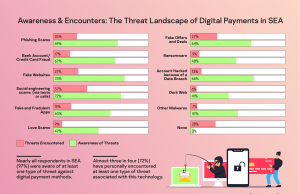
Nearly 3 in 4 in SEA encountered at least one cyberthreat...

0
05 April 2022 A recent Kaspersky research showed a positive correlation between the adoption of digital payment methods and the awareness of the risks and...

MUST READ

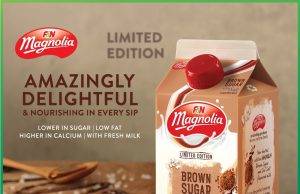
Magnolia Brown Sugar & Sea Salt Flavoured Milk in 500ml pack...

0
The Magnolia Brown Sugar & Sea Salt Flavoured Milk first launched in Singapore few months ago is now available in a smaller 500ml pack...