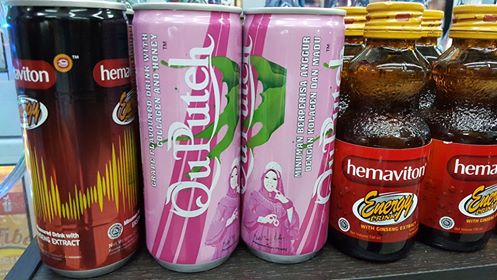
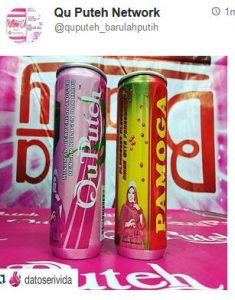
Malaysia’s Vida Beauty has released the ready-to-drink version of its Qu Puteh collagen drink and Pamoga health drink. Both are priced at RM 4.80 (USD 1.20) to RM 5.00 a tin. Vida Beauty’s founder Dr Vida is a controversial figure who knows how to do viral marketing. Her company announced in early 2016 of the sponsorship of the Kelantan football team and part of the agreement was to paint the stadium pink.
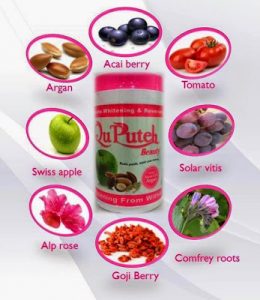
Qu Puteh collagen drink in powder format is made from the stem cells of Alp rose, Swiss apple, argan, tomato, acai berry and other ingredients to achieve not only the whitening effect but also claimed to be good for overall health. The company stressed the drink is suitable even for pregnant women and lactating mothers.
The Qu Puteh tin version does not have stem cells as it is not mentioned on the packaging. The product’s main ingredients are distilled water, sugar, honey , collagen powder (fish), preservative, colour, flavour and acidity regulator.
The 240ml can has 46kcal per 100ml, 11.6g of carbohydrate per 100ml and 9.7g per 100ml of total sugar.
Qu Puteh collagen drink and Pamago
Even though Qu Puteh collagen drink in grape flavour does not have stem cells, it does fill the gap in the RTD collagen drink space. Consumers can now drink it instantly without having to mix the powder first with water. The powdered Qu Puteh costs at least RM 170 per bottle whereas the RTD collagen drink is only RM 4.80 to RM 5.00, which makes the RTD version more accessible.
Health drink Pamoga with pomegranate has also been turned into a RTD drink. Both the RTD Pamoga and Qu Puteh are sold at traditional beauty and health supplement stores and not in the modern trade.
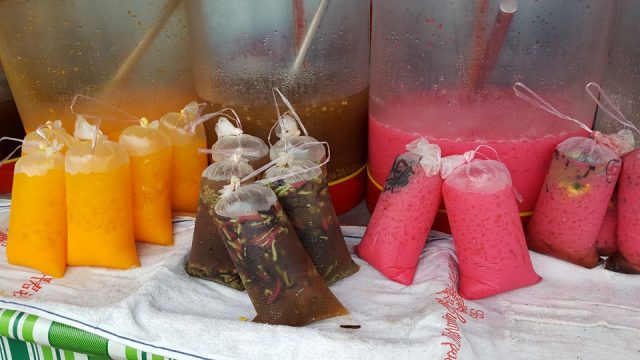
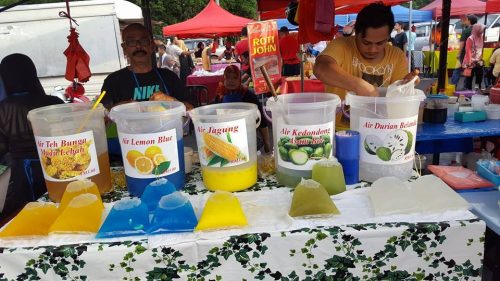
Let’s visit the Ramadan bazaar in Bandar Baru Ampang in the state of Selangor to see what are the beverages consumed by Muslims during buka puasa (breaking of fast). These beverages could potential serve as inspiration for new product innovation.
Corn drink (air jagung) is a popular drink during hot day. It is made from cream corn in a can, condensed milk, a pinch of salt and sugar.
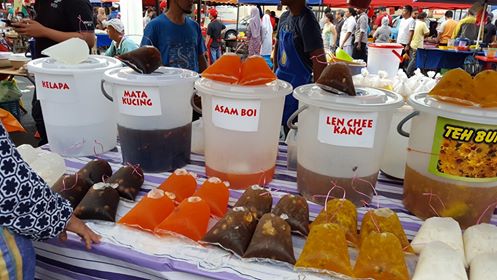
From left to right: Chrysanthemum tea, Blue Lemon drink, Corn drink, Kedondong Asam Boi drink and Soursop drink.
The chrysanthemum tea (air teh bunga) prepared by Malay vendors is different from the Chinese. The Chinese will filter out chrysanthemum flowers from the drink but the Malay vendors will keep the chrysanthemum flowers in the pack probably making it look more authentic?
For packaged chrysanthemum tea maker, retaining some chrysanthemum flowers in the drink could attract usage among Malay consumers.
Blue lemon drink (air lemon biru) is made from blueberry syrup, lemon juice and sparkling lemon. Some of the recipes use blue colouring, coconut water, lemon and sugar.
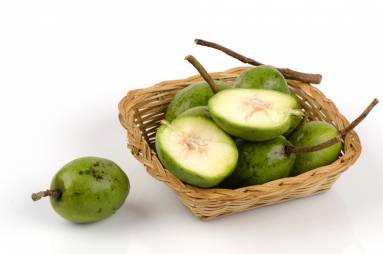
Kedondong Asam Boi drink (air kedondong asam boi) is made from kedondong (ambarella), which tasted sweet and sour, asam boi (sour plum), limau kasturi (calamondin), water and sugar.
Image of kedondong from Sahabat Nestle Indonesia
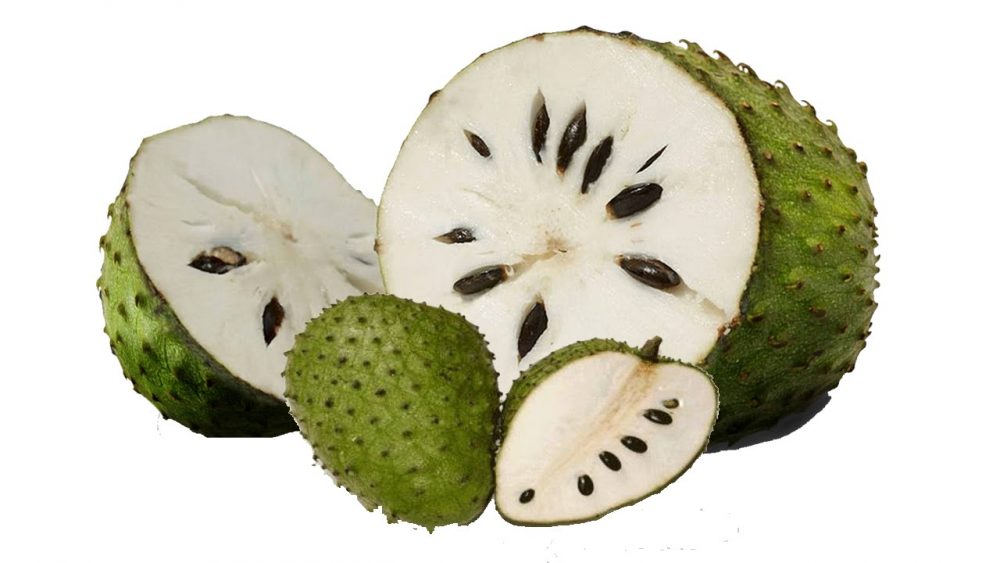
Soursop drink is as the name implies is made from the soursop fruits.
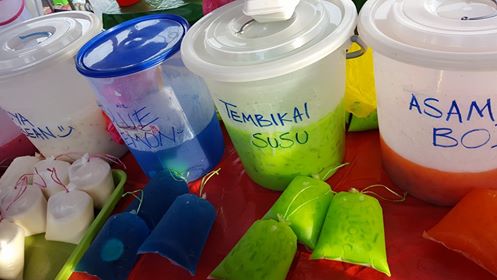
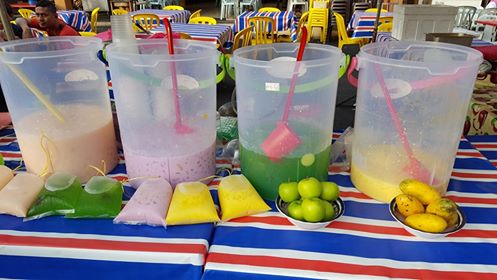
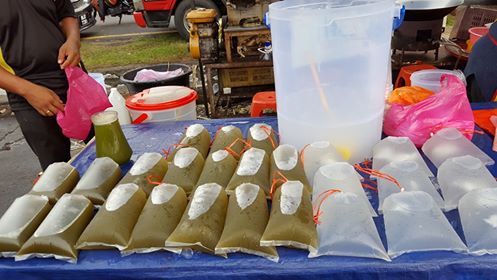
In another store, you can see a green coloured drink, which is called Tembikai Susu (honeydew). The rest are Asam Boi drink (sour plum), Blue Lemon and soya bean.
Mango drink is also hugely popular. The fruit is currently in season in Malaysia.
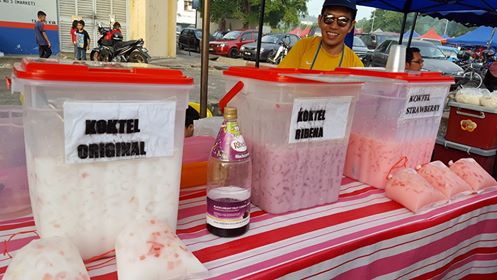
Next up, we have vendors creatively using Ribena to create the Ribena cocktail. Next to Ribena cocktail is strawberry cocktail on the right and original cocktail on the left. The Ribena bottle is placed next to the container to demonstrate the drink is really made from Ribena.
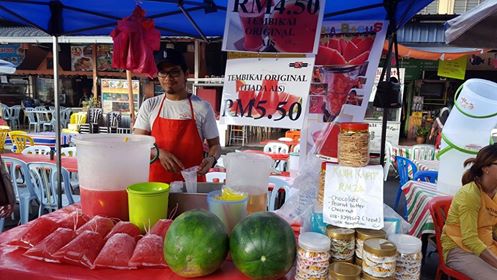
Moving on to the next stall, you will find yam drink (far right corner) in purple and on your right is Choco Malt Kaw-Kaw (Choco Malt drink that is kaw-kaw or more concentrated). Choco Malt in cup costs RM 2, while the plastic bag version is RM 3.
The watermelon drink is made fresh from real watermelon. Each pack without ice costs RM 5.50 and with ice is RM 4.50.
Green apple has also appeared in the drink menu (second from the right).
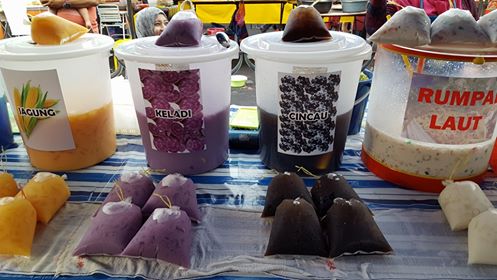
This stall below serves a wide variety of drinks ranging from yam drink (keladi), grass jellydrink (cincau) to seaweed drink (rumpai laut). Also sold but not appearing in the photo is longan drink (air mata kucing) and coconut water (air kelapa).
Len Chee Kang (Sweet Lotus Seed) is a Chinese drink made from lotus seed and a variety of other dried fruits. This drink is also popular with Malay consumers. We are seeing quite a lot of cross cultural borrowing in food in this part of the world.
Grape juice is also sold in one of the stalls. The image is not presented here. Sugar cane drink is very common in Malaysia and is sold in large pack for sharing along with coconut water.
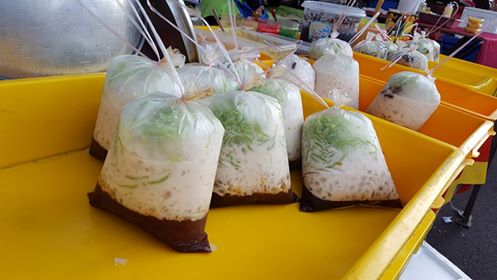
Cendol is a favourite dessert for Malaysians of all walks of life. This creamy dessert is made from coconut milk, green starched jelly noodles with pandan flavouring and palm sugar.
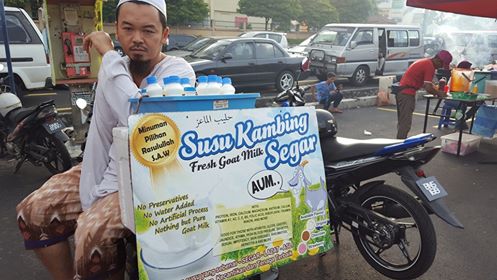
Finally, fresh goat’s milk is promoted as the ‘drink of choice of Prophet Muhammad.’ Once again, we are seeing Muslim vendors using religion for product marketing.
* All the images were taken and the copyright is owned by the author with the exception of the two fruit images taken from the web.
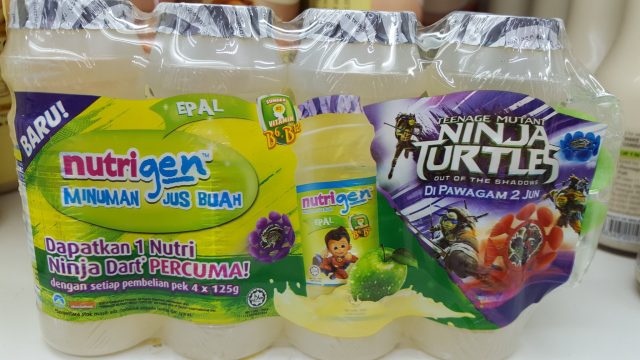
Mamee Double-Decker has unveiled a new children’s juice drink under the Nutrigen brand. Each pack consists of four x 125g and is selling at a price of RM4.29 (USD1.05). Nutrigen Juice Drink comes in the choice of two flavours orange and apple. It claims to be a rich source of vitamin B6 and B12 (apple) and vitamin C (orange).
Mutant Ninja Turtles toys
Children’s toys are included in each pack. The first game to appear is Ninja Dart in conjunction with the premiere of Teenage Mutant Ninja Turtles: Out of the Shadows movie.
Identical bottle
The new Nutrigen Juice Drink uses the same bottle as Nutrigen Cultured Milk Drink but it only four per pack compared to five per pack for cultured milk. One key issue for the new juice drink is consumers may find it hard to differentiate it from Nutrigen cultured milk drink because of the use of identical bottle and identical toys.
Competitors
Nutrigen Juice Drink has to be refrigerated in the chilled section, which makes it probably the only chilled children’s juice drink in plastic bottle in 125g format in the market. F&N Fruit Tree Fresh in 250ml plastic bottle is aimed at all ages, while Pran juice for kids is shelf stable juice in Tetra Pak.
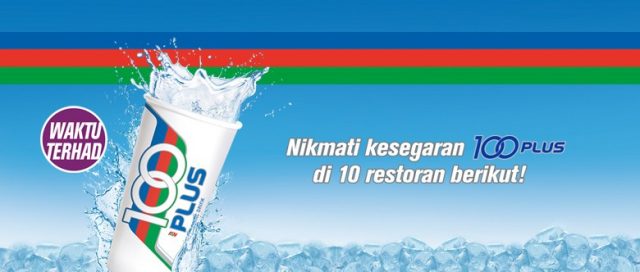
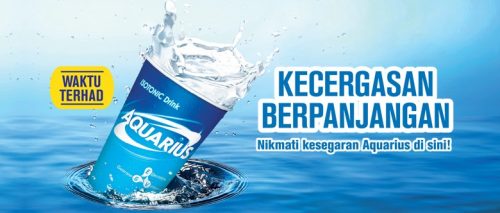
Coca-Cola’s Aquarius and F&N’s 100Plus isotonic drinks are now available for a short period at 10 McDonald’s outlets in Malaysia. Of the 10 outlets, 4 are located in the Klang Valley and 1 each in Klang, Perak, Kuantan, Johor, Seremban and Malacca.
At the moment, McDonald’s does not service isotonic drinks. Consumers who do not wish to eat their meals with the fizzy drinks of The Coca-Cola Company (Coke and Sprite) has to pay extra to switch to Milo, Nestea iced lemon tea, Minute Maid, Ribena and Dasani mineral water.
Image from McD Malaysia website
The limited trial of 100Plus and Aquarius shows McDonald’s is trying to broaden its drink menu. Isotonic drink, usually carbonated, is perceived to be a healthier alternative to carbonated soft drinks (Coca-Cola and Pepsi). If the experiment works, isotonic drink may appear on McDonald’s menu in the future targeting consumers who want something less sugary but still has the indulgent element.
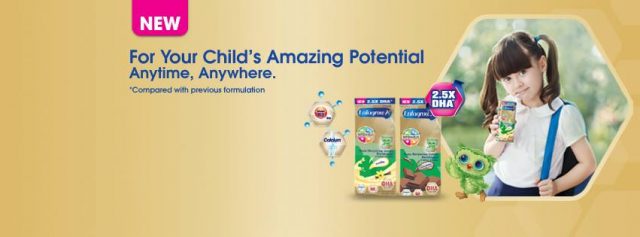
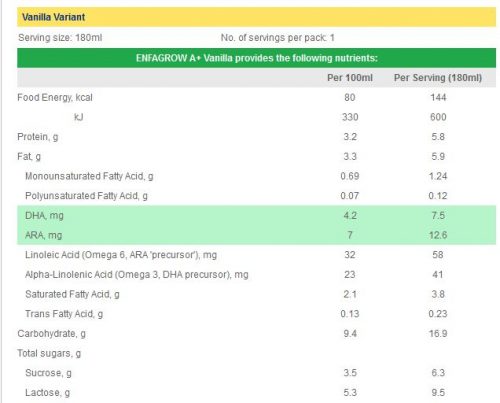
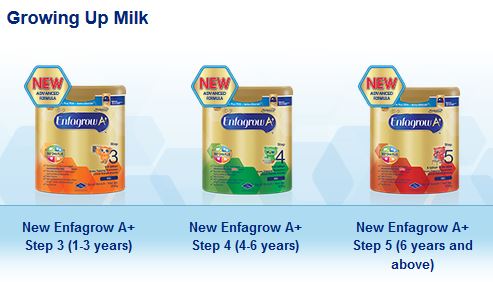
MeadJohnson’s new Enfagrow A+ Ready-To-Drink (RTD) now comes with 2.5X DHA for children aged 4 years old and above.
DHA is now 4.2g per 100ml serving, 2.5x more than the previous formulation.
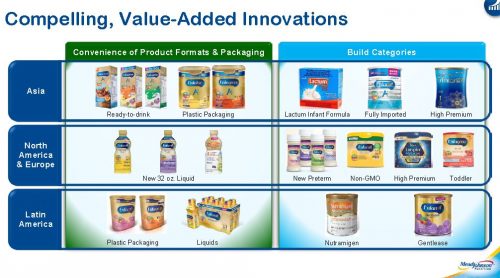
Looking at the bigger picture, Malaysia is one of the 8 biggest markets for MeadJohnson globally. The value-added innovation focus for Asia is ‘convenience of product format and packaging’. New products under this category includes RTDs and plastic packaging and both are now in Malaysia.
Charity is the central theme in a lot of Ramadan marketing campaigns in Malaysia and Indonesia. Ramadan in the month for Muslims worldwide to donate to the less fortunate and contribute to charity work.
Renovate mosques
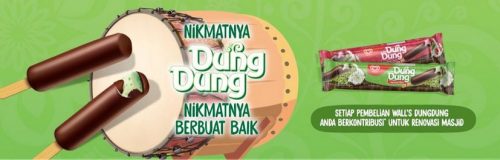
Wall’s ice cream in Indonesia is donating part of the proceeds from the sale of Dung Dung ice cream to renovate mosques.
Image from Wall’s Indonesia Twitter page
Eradicating energy poverty
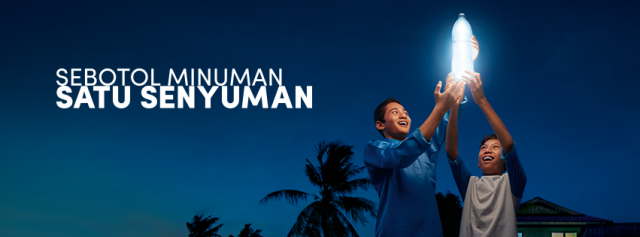
PepsiCo Malaysia would donate RM 0.10 for each 1.5L PET bottle of Pepsi, Revive, Mountain Dew, Mirinda and 7UP for the ‘Liter of Light.’ The project aims to eradicate the 1% of energy poverty in Malaysia.
Collaborates with media firm to help the unfortunate
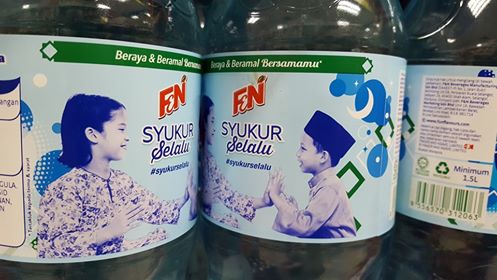
F&N Malaysia collaborates with Media Prima, Malaysia’s biggest free-to-air TV station as the official partner for its ‘Syukur Selalu’ campaign. The food and drink company is giving RM 0.2 million to Media Prima’s ”Tabung Bersamamu’ charity fund.
Doing charity with celebrities
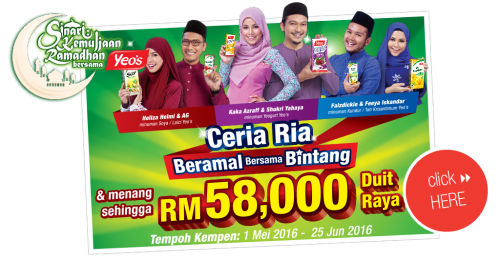
In Malaysia, Yeo Hiap Seng (Malaysia) Berhad organised a fasting experience event with celebrities on 25 June 2016for the second season. The event was opened to all ethnicity and religion to experience fasting with celebrities while doing charity. Of course, participants received goodie bags and a chance to win attractive prizes. The two-month campaign involves up to RM 58,000 in prize money.
It seems food and drinks companies in Malaysia are more keen to use charity for its Ramadan festive campaign compared with Indonesia whereas the latter is more concentrated on prize giveaways.
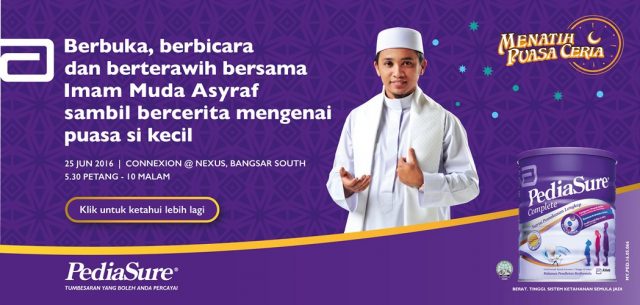
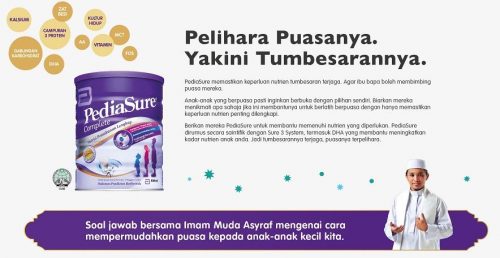
Getting young children to start fasting can be great time for marketing. Abbott Nutrition Malaysia took this opportunity to promote PediaSure Complete for children aged one to 10 to help them who fasting or are starting to fast. According to the company, PediaSure contains 25 of the most important nutrients including FOS, DHA and vitamins to help meet children’s needs during the fasting period.
Children are not expected to fast until the age of puberty. But some intend to do so earlier by joining with their family members. By aligning the brand with Ramadan, PediaSure ensures it becomes the product of choice for subsequent fasting experience. The campaign tagline is ‘menatih puasa ceria’ or ‘to lead ones who is learning to fast to have a happy fasting experience.’
The Malaysia’s PediaSure Ramadan campaign in 2016 is the same campaign launched in Indonesia in 2015 using the same TVC.
PediaSure also roped in Imam Muda Asyraf, a charming young Imam (religious teacher) who is the winner of a reality program in search of a religious role model. Participants had a session with Asyraf on 25 June 2016 where he talked about how to guide parents on fasting for young children. The collaboration between an international milk powder brand with a popular Imam makes the combination very interesting and helps to strengthen and localise the marketing message.
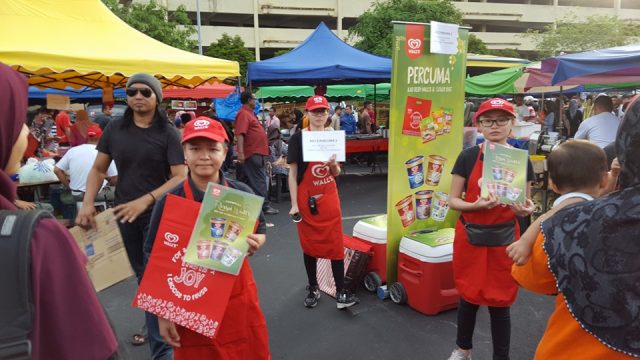
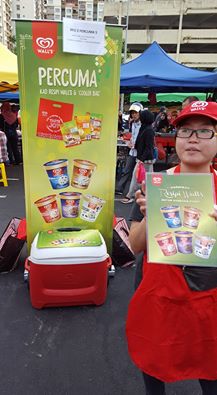
To promote its ice cream as dessert for buka puasa (breaking of fast) in Malaysia, Unilever’s Wall’s ice cream goes to the very source of delicious food – Ramadhan bazaars.
The ice cream brand commissioned Event Works Sdn Bhd to carry out the on-the-ground marketing campaign featuring free limited edition Wall’s Recipe for buka puasa and cooler bag.
Wall’s at Ramadan bazaar in Bandar Baru Ampang, Selangor. All images taken by the author
Such events were held at Ramadan bazaars in Klang Valley, Melaka, Perak, Johor, Pahang, Terengganu, Kedah and Kelantan.
Instead of waiting for customer to come to you, it is a good idea to be at the source of all the actions – Ramadan bazaars – to promote packaged food for buka puasa.
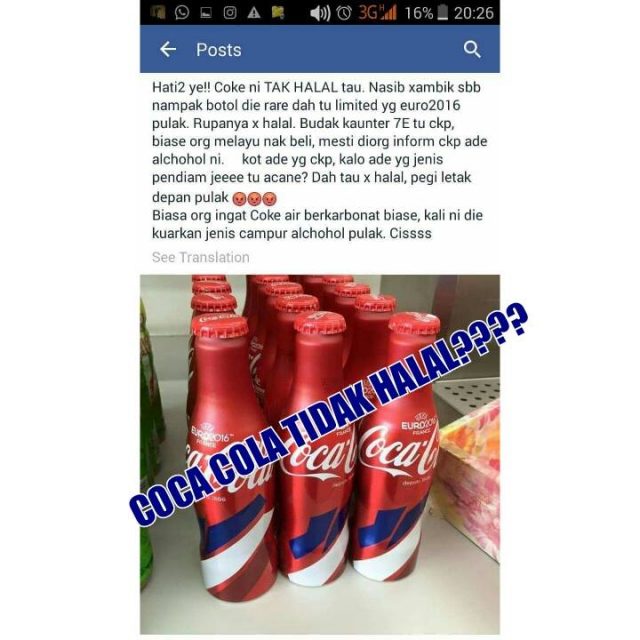
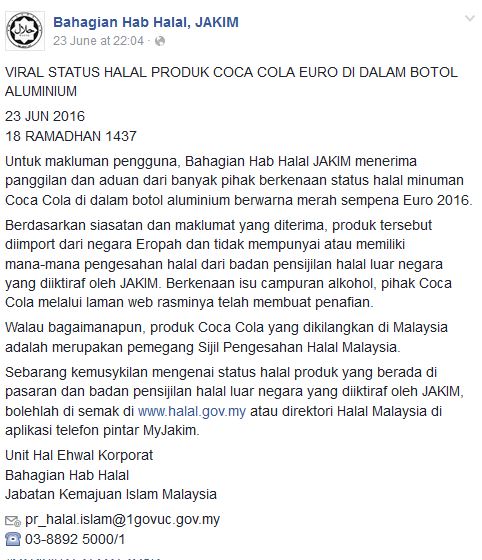
Coca-Cola Malaysia is haunted by a serious allegation that its Euro 2016 collectible aluminium bottles are not halal and contain alcohol. The allegation circulated via social media claims the imported Coca-Cola from Europe has alcohol and is not halal. This is serious allegation especially during the holy month of Ramadan.
Jakim says
According to investigation by the Department of Islamic Development Malaysia (JAKIM), the country’s sole halal certifying body, the Coca-Cola is deemed to be made in Europe and does not come with any halal logo or own any halal logo recognised by the halal apex body. It also stressed that The Coca-Cola Company has issued clarification on its corporate website denying the limited-edition drink contains alcohol. In the Facebook post dated 23 June 2016, JAKIM assured consumers all the Coca-Cola products bottled in Malaysia are certified halal and safe to consume.
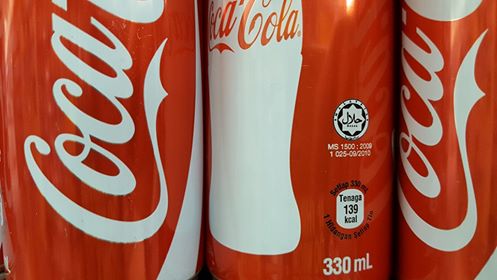
From Jakim Facebook page dated 23 June 2016Made-in-Malaysia Coca-Cola with the JAKIM halal logo
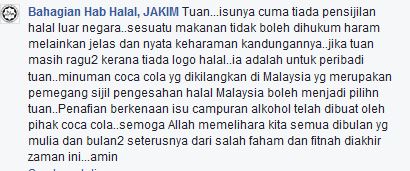
In one of the replies to a message left on JAKIM’s Facebook page, the religious body said ‘the only issue with the product is it does not have the halal certification from overseas and a product cannot be punished unless it has banned ingredients.’ It reiterated consumers can choose to drink locally-bottled Coca-Cola as the local factory has been certified halal.
Coca-Cola explains
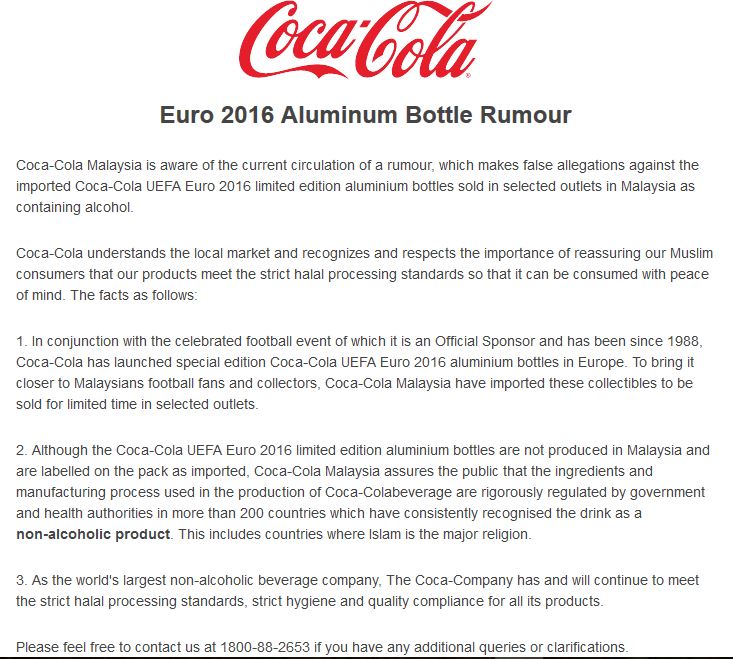
The Coca-Cola Co promptly issued an official reply assuring Malaysian consumers ‘the ingredients and manufacturing process used in the production of Coca-Cola beverage are rigorously regulated by government and health authorities in more than 200 countries which have consistently recognised the drink as a non-alcoholic product.’ The company strengthened this assertion by claiming ‘this includes countries where Islam is the major religion.’
From Coca-Cola Malaysia official website
The official statement claims ‘The Coca-Company has and will continue to meet the strict halal processing standards, strict hygiene and quality compliance for all its products.’
Missing halal logo
The whole key issue boils down to one thing – the missing halal logo. Can an ‘organic’ product claims it is organic without the accompanying ‘organic’ label? The same logic applies to the Coca-Cola issue.
Malaysian consumers have been educated to place their faith on the halal logo. If the limited-edition comes with the halal logo, this incident would not have happened in the first place.
Confusion continues
Is the limited-edition Coca-Cola aluminium bottle halal? Apparently no, according to 7-Eleven. This was spotted by the author in one of the 7-Elevens in the town of Bentong in Pahang. So the confusion continues.
Image taken by the author in Bentong, Pahang on 25 June 2016
One key takeaway from the limited-edition Coca-Cola Euro 2016 halal debacle is there can be no compromise on the use of the halal logo. This applies even more importantly on imported products even if they are only available for a limited period only.
Indonesia is a country labelled as lower middle income by the World Bank with a fast rising middle class but one-tenth of the population still lives in poverty. According to World Bank data, 11.3% of the population was below the poverty line in 2014, an improvement from 13.3% in 2010. Children living in poverty areas suffer from stunted growth due to chronic malnutrition.
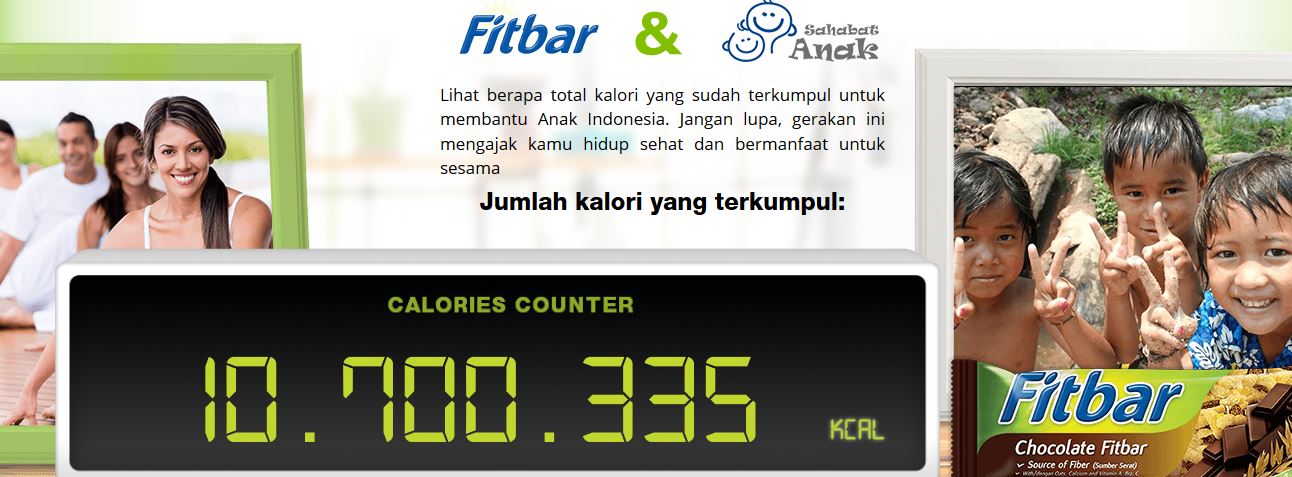
From http://www.fitbardonorkalori.com/id
To narrow the gap between the well-to-dos and the poor, Kalbe Farma’s snack bar brand Fibar held a calorie donation campaign for two months (March-April 2016). Over 10 million calories were collected from those with calories to spare through physical activities. The data was collected from participants’ smartphone apps (Nike+, Custom Fit, My Fitness Pal) and smart watches.
A total of IDR IDR 500,000 (USD 37,700) was raised for Yayasan Sahabat Anak, a charity organisation in support of marginalised children.
The campaign not only demonstrates how exercise, shedding the extra pounds, can contribute to a good cause, it also puts the Fitbar brand positively in the eyes of consumers.
Here is the ad of the ‘two sides of Indonesia’ by Fitbar created for the campaign.
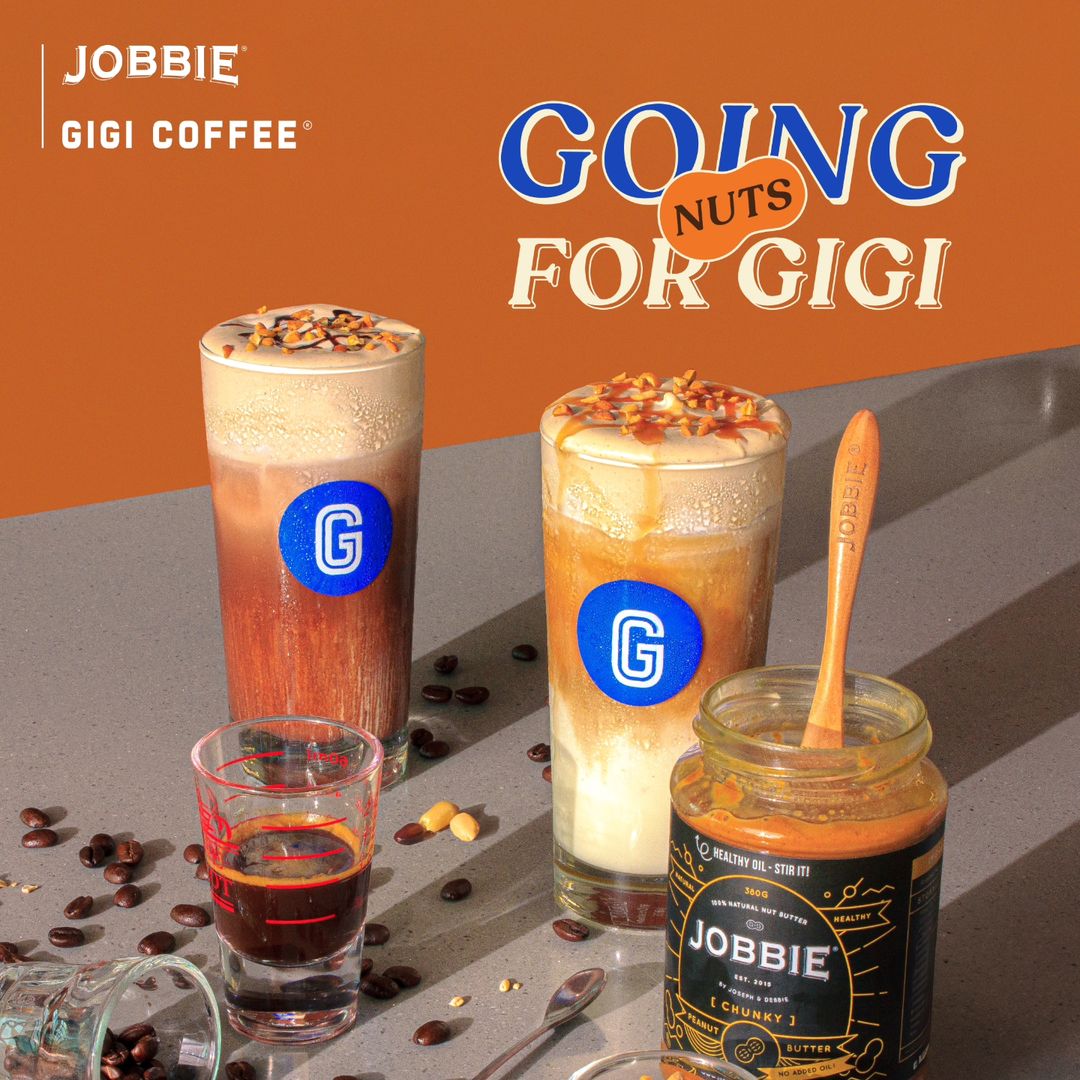
Gigi Coffee Malaysia has partnered with Jobbie, a fast-growing local natural peanut butter brand, to launch the Going Nuts for Gigi series. The range comprises...
Singapore, 25 September 2020 – With October just around the corner, ATLAS invites guests to enjoy the last few months of its current cocktail menu, Interbellum,...