Home Blog Page 1107

From pet food, cashless vending in Malaysia to staff-less retail in China
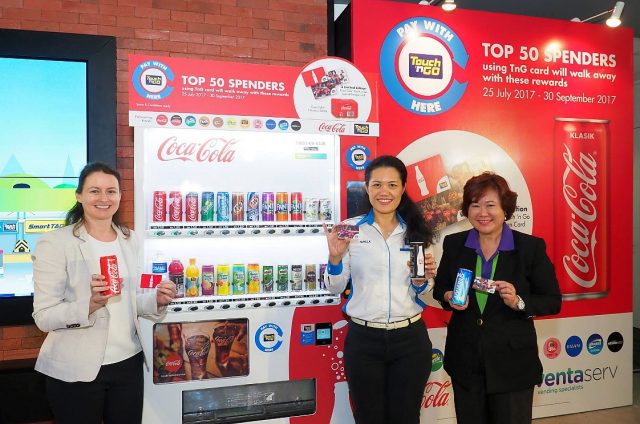
Image from the web

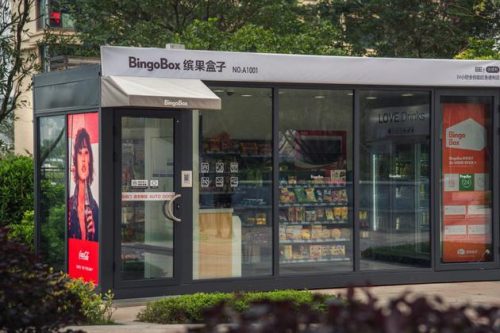
Staff-less retail concept booming in China

Staff-less retail (无人商店) is taking off in China ranging from BingoBox 缤果盒子 by Sun Art Retail to F5 Future Store (F5 未来商店). With no humans running the store, all it takes to ensure everything is running smoothly is technology and China has the ecosystem – technology and consumers – to support the new retail concept.
Expects strong growth potential

iiMediaResearch (艾媒集团), the China-based consultancy in mobile internet research, expects staff-less retail transaction in China to reach RMB 459.2 billion (USD 68 billion) by 2020, which seems on the high side but plausible given the rapid change in the industry.

China’s top vending player bought by Fujian supermarket chain

Another major news from China, which strikes a chord with the Malaysian retail scene, is the acquisition of China’s top vending machine operator Beijing Ubox Online Technology Corp. (友宝在线) by Fujian-based New Hua Du Supercenter Co. Ltd. (新华都) through an equity swap agreement.  New Hua Du operates 124 supermarkets and 9 department stores mainly in Fujian.

Ubox’s revenue reached RMB 1.6 billion in 2016, up from RMB 1.2 billion in 2015 and RMB 0.82 billion in 2014. The company runs a network of 57,000 vending machines in 2016 (including franchise), up from 31,000 in 2015.

The acquisition is seen as a move by New Hua Du to enter into staff-less retail and other new business models.

Vending machines selling pet food in Malaysia

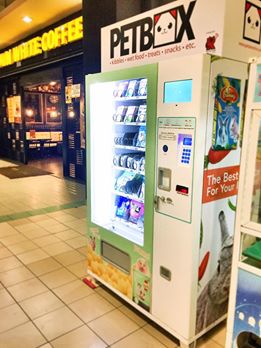
Closer to home, Malaysian retailers are focusing on vending machines first rather than the sophisticated and futuristic AI-powered staff-less retail in China. The online community for pets Petster recently unveiled pet food vending machine at M3 Mall in Kuala Lumpur, reported Discoverkl.com. The vending machine sells pet food for dog, cat, hamster and rabbit. There is also a RM 1 corner selling affordable meal for stray animals. It is claimed that this is the first pet food vending machine in KL.
Vending machines to go cashless

Another interesting news was the announcement on 25 July 2017 of a new cash-less vending machine where products can be paid for by using the Touch ‘n Go card.

“The machines, introduced by Touch ‘n Go Sdn Bhd (TNGSB) in collaboration with Ventaserv Sdn Bhd (Ventaserv) and Coca Cola Refreshments (M) Sdn Bhd (Coca Cola) are available in public areas in the Klang Valley including hospitals, recreation parks, shopping malls, and office buildings,” said the press release.
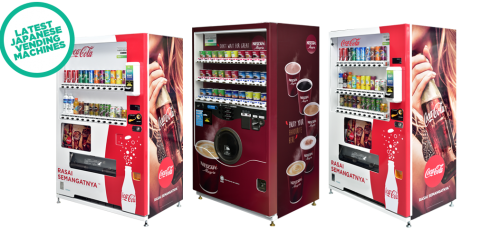
Ventaserv is a 100%-owned company of Creador Sdn Bhd. The key beverage partners of Ventaserv are Nestle, Nestle Professional, Coca-Cola, Red Bull and Yeo’s.

New vending machine standard launched in Singapore

Across the causeway, the Singapore government has recently announced on 21 July 2017 a standard for vending machine operation. The key objective is to provide best practices to new entrants and ensure food safety for consumers. It is known as TR 57. The guideline can be downloaded here.

“Covers the hygiene guidelines for design, installation and maintenance of machine, and operations, which include the supply and replenishment of food and related accessories, for food vending machines for pre-packed shelf-stable food products, juices and beverages, both hot and cold beverages from powdered ingredients or syrups, ice cream, milk and milk products, and ready-to-eat food items. The machine may vend these food items frozen, chilled or hot.”

The new regulation shows there is a need to regulate the vending machine sector, which is growing rapidly in Singapore as companies automate the selling process.

What Mini Me thinks

The automation of route to market leveraging on technology is set to grow in importance as the infrastructure is in place to support a new retail environment.

*2nd image from Petbox, 3rd image from Ventaserv
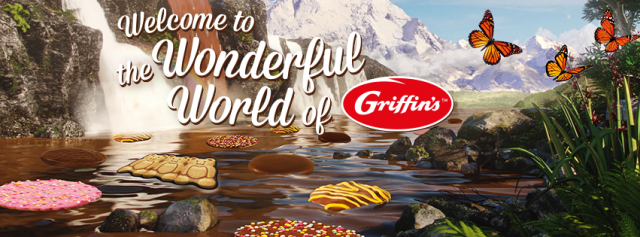


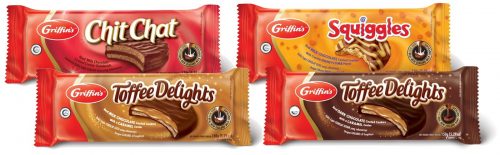
Griffin’s sweet biscuit from New Zealand with love

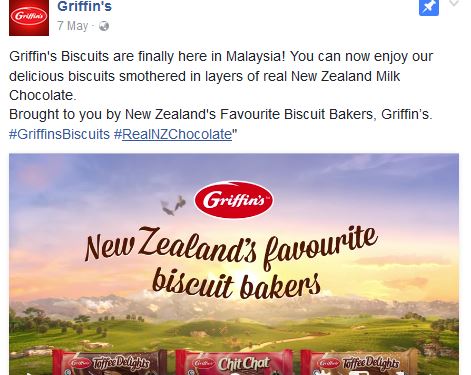
Griffin’s, which has been delighting delighting Kiwi families for nearly 150 years, is now available in Malaysia since May 2017. The Griffin’s Food Company, New Zealand’s biggest snack food producer, was bought by Philippines-based Universal Robina Corporation (URC) in 2014 for USD608 million.

For readers in Malaysia, URC owns the familiar brands of Jack ‘n Jill snacks, C2 RTD tea beverages and Cloud 9 chocolate.

URC using Griffin’s for premiumisation

URC is using Griffin’s to target the “more discerning consumer – middle to upper,” according to Just-Food in December 2015 citing company officials. Griffin’s was launched in Singapore and Thailand in January 2016, followed by the Philippines in July 2016. Griffin’s wrapped bars and chocolate biscuits are imported from New Zealand and sold at a premium over URC’s products in Southeast Asia.

Focus on smaller pack sizes

URC President and CEO Lance Y. Gokongwei said the “pack sizes are much larger than what our customers in the ASEAN (Association of Southeast Asian Nations) expect.” The solution is to launch smaller packs for the ASEAN market to make the price point more affordable.

Michael Liwanag, Universal Robina Corp, VP Corporate Strategy & Development Group, described this at the Q4 2016 earnings call as the company’s “affordable premiumisation” strategy. In the Philippines, URC introduced four chocolate-coated biscuits and three cookies for kids in July 2016, all at the PHP100 price point.

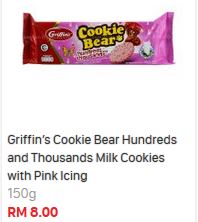
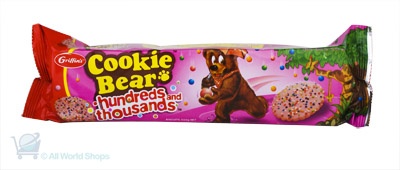
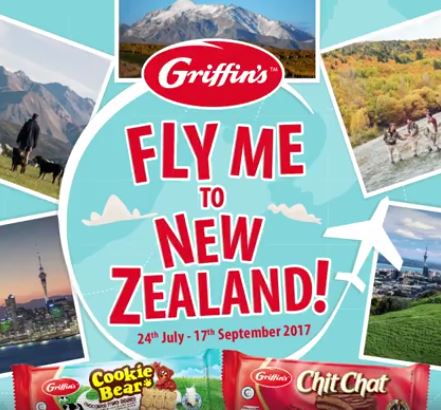
In New Zealand, the Griffin’s Cookie Bear Hundreds & Thousands Milk Cookies come with a pack size of 200g (image below). In Southeast Asia, the same product is selling in a smaller 150g pack (above) – Jaya Grocer in Malaysia.

From New Zealand with love

The key marketing strategy adopted by URC for Griffin’s is to associate the brand with its country of origin – New Zealand. The provenance strategy reinforces consumer image of New Zealand for its excellence in dairy (“lovingly baked with real New Zealand milk”) and “clean, green and authentic”. The brand is also marketed as “New Zealand’s Favourite Biscuit Bakers” to drive in the message of heritage and trust.

In Malaysia, customers stand a chance to win 2 flight tickets to New Zealand as well as cash prizes and delicious Griffin’s goodies.

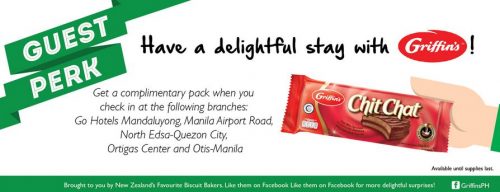
In the Philippines, apart from engaging with bloggers, URC also made available Griffin’s Chit Chat for guests staying at selected GoHotels in the Philippines. GoHotels is the budget hotel brand of the Gokongwei family’s Robinsons Land Corporation (RLC). Gokongwei owns URC.

What Mini Me thinks

Griffin’s offers URC an opportunity to move up the price ladder and offer consumers with something more premium in the sweet biscuit category. The added advantage for Griffin’s is imported New Zealand sweet biscuit is relatively new to consumers in Southeast Asia.

Zouk Continues The Party With Coca-Cola

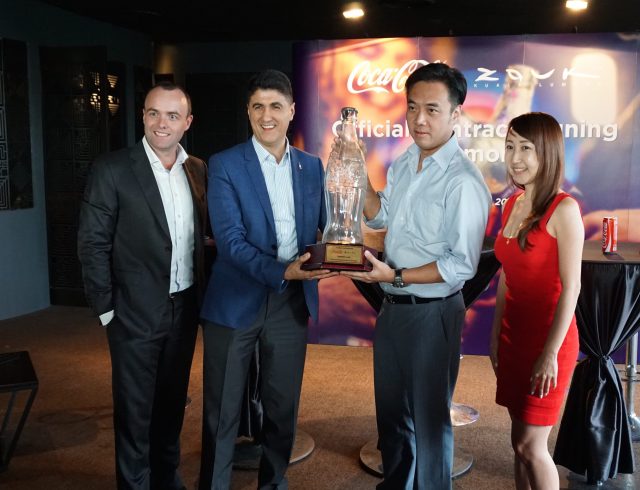
From left Mr. Gareth McGeown, Chief Executive Officer of Coca-Cola’s Bottling Investments Group Singapore, Malaysia and Brunei; Mr. Calin Dragan, Coca-Cola’s Bottling Investment Group Regional Director for ASEAN and Middle East; Mr. Cher Ng, Executive Director of Zouk Kuala Lumpur; Ms. Yean Ng, General Manager of Zouk Kuala Lumpur

24 July 2017

After 13 years in Malaysia, Zouk Kuala Lumpur has chosen to take the party to the next level with Coca-Cola as its new beverage partner

The three-year agreement that was signed recently between Coca-Cola Malaysia and Zouk Club KL will see the iconic clubbing destination serving Coca-Cola, Coca-Cola Zero Sugar, Coca-Cola Light, Sprite, Heaven & Earth Jasmine Green Tea, Schweppes Ginger Ale and Tonic Water.

The agreement was signed by Gareth McGeown who has since assumed the positon of Chief Executive Officer of Coca-Cola’s Bottling Investments Group Singapore, Malaysia and Brunei and Cher Ng, Executive Director of Zouk Kuala Lumpur. Witnessing the signing was Calin Dragan, Coca-Cola’s Bottling Investment Group Regional Director for ASEAN and Middle East and Yean Ng, General Manager of Zouk Kuala Lumpur.

“We are really excited to be a part of Kuala Lumpur’s clubbing scene as a partner of the iconic Zouk Kuala Lumpur where we will be refreshing patrons and keeping the party afloat with our own iconic brands from the Coca-Cola portfolio,” said McGeown.

Zouk Kuala Lumpur first arrived in Malaysia on 2004 where it was located along Jalan Ampang, Kuala Lumpur and after 11 years, it relocated to the TREC entertainment hub and the RM38-million superclub is ranked #21 clubs in the world by DJ Mag’s Top 100 Clubs global poll.

Comprising 11 venues which occupy a total of 60,000 sq ft of build-in club space, Zouk Kuala Lumpur draws over 17,000 visitors every week and was awarded “Nightspot of the Year” by the Hospitality Asia Platinum Award 2016-2018 and also “Brand Laureate Best Choice Brand Awards 2016 – 2017 for Brand Excellence in Lifestyle and Entertainment”.

“We are pleased to announce the start of a new business relationship with a global brand the stature of Coca-Cola. A leader in its market and a favourable brand among our target audience, this partnership sits well with Zouk KL commercially. With a highly commendable marketing support and an extensive distribution network, it is safe to say that Zouk KL will be receiving all the support we need,” said Cher Ng, Executive Director of Zouk Kuala Lumpur.

The Coca-Cola Company in Malaysia

In addition to Coca-Cola, one of the world’s most valuable brands, the Coca-Cola system in Malaysia manufactures, markets and distributes over 80 products including sparkling beverages (Fanta, Sprite, A&W, Schweppes), zero-calorie sparkling beverages (Coca-Cola Light, Coca-Cola Zero Sugar, Sprite Zero), juice drinks (Minute Maid Pulpy), teas (Heaven and Earth), isotonic (Aquarius) and water (Dasani).

Coca-Cola has invested RM1 billion in Malaysia since 2010, creating more than 800 jobs and touching over 75,000 customers directly with a total reach of over 200,000 customers across Peninsula Malaysia and East Malaysia. Through its programmes and partnerships Coca-Cola Malaysia aims to make a lasting positive difference in the local community.

From recycling through partnership with the Malaysian Nature Society and Universiti Putra Malaysia (UPM), to working with Raleigh International and Muslim Aid Malaysia to provide access to clean water for more than 22,000 villagers in rural Sabah, and economically empowering women through the Coca-Cola KU entrepreneurship programmes – Coca-Cola is committed to building sustainable communities in Malaysia.

 About The Coca-Cola Company

The Coca-Cola Company (NYSE: KO) is the world’s largest beverage company, refreshing consumers with more than 500 sparkling and still brands and more than 3,800 beverage choices. Led by Coca-Cola, one of the world’s most valuable and recognizable brands, our company’s portfolio features 20 billion-dollar brands, 18 of which are available in reduced-, low- or no-calorie options. Our billion-dollar brands include Diet Coke, Coca-Cola Zero, Fanta, Sprite, Dasani, vitaminwater, Powerade, Minute Maid, Simply, Del Valle, Georgia and Gold Peak. Through the world’s largest beverage distribution system, we are the No. 1 provider of both sparkling and still beverages.  More than 1.9 billion servings of our beverages are enjoyed by consumers in more than 200 countries each day. With an enduring commitment to building sustainable communities, our company is focused on initiatives that reduce our environmental footprint, create a safe, inclusive work environment for our associates, and enhance the economic development of the communities where we operate. Together with our bottling partners, we rank among the world’s top 10 private employers with more than 700,000 system associates.

For more information, visit Coca-Cola Journey at www.coca-colacompany.com, follow us on Twitter at twitter.com/CocaColaCo, visit our blog, Coca-Cola Unbottled, at www.coca-colablog.com or find us on LinkedIn at www.linkedin.com/company/the-coca-cola-company

 About Zouk Kuala Lumpur

Zouk Club first landed in Malaysia in 2004 with its first and original outlet located at Jalan Ampang, Kuala Lumpur where in 2015 after 11 years, Zouk KL relocated to a new vibrant and trend-setter concept under one roof, TREC (Taste, Relish, Experience, Celebrate) entertainment hub. The iconic superclub is a unique combination of night club, lounge, bar, private event venue and restaurant.

Representing the city’s electronic dance music scene for 13 years, Zouk KL is lavishly outfitted with a state of the art lighting and sound equipment set against the kaleidoscope of soundscapes from EDM, House, Electro, Open Format, Trance, Techno, Trap, R&B, Hip-Hop to Indie and Nu-Disco. The award winning nightspot is a hallmark of club design and concept with its dramatic architecture befitting its status as a global club brand. It comprises 11 venue which occupies a total of 60,000 sq ft of build-in club space.  With a strong base of 340k followers in Facebook and 25k in Instagram, this Superclub never fails to deliver expectations on each event, a mark of an ever-ready and progressive club always looking to embark on bigger and bolder aims to lead the standard of global club culture for years to come.

Zouk Club KL is operated by Zouk Club (KL) Sdn Bhd.

Greek yoghurt embraces drinkability

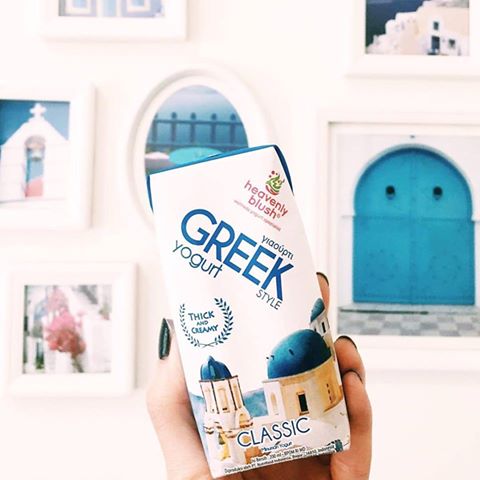
Photo by @ellysabethsantoso

Greek yoghurt move towards drinkability

Greek yoghurt (yogurt) innovation in Southeast Asia is increasingly moving towards the most popular segment – drinkable yoghurt. Drinkable yogurt is usually the largest segment within yoghurt because of its convenience and its positioning as a lifestyle drink.

Flurry of launches in drinkable yoghurt segment

There are quite a number of drinkable yoghurt that were launched lately in Southeast Asia including Zest-O Yo! Yoghurt Drink and Yogu by Nestle in the Philippines, Dutch Mill Yogurt Drink in Indonesia and Nestle Bliss Go in Malaysia. All these are aimed at children. A few such as Nestle Bliss Plus are designed for the family.

Drinkable Greek yoghurt helps to improve consumption

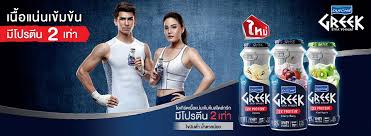
However, Greek yoghurt, a premium category, only has a small share of the spoonable yoghurt market. To improve acceptance among consumers who generally consume yoghurt in the drinkable format, companies are launching drinkable Greek yoghurt to expand the premium segment further. The success of China’s ambient Greek yoghurt drink must have served as a cue.

In Thailand, the drinkable Dutchie Greek Style Yoghurt by Dutch Mill Co., Ltd. was introduced in 2017. This chilled yoghurt drink has to be stored at a temperature of 2-5°C, which means distribution is restricted to places equipped with the chilled infrastructure. Click here for the latest review of the drinkable Dutchie Greek Style Yoghurt.

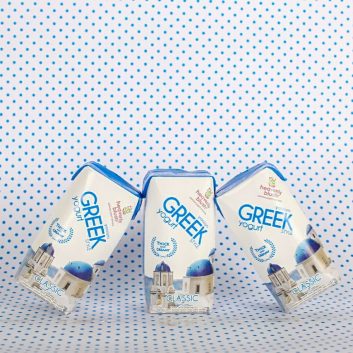
Heavenly Blush, the yogurt brand of Indonesia’s Nutrifood, has expanded into the drinkable Greek yoghurt segment in June 2017. the new range adds to it existing Greek yoghurt launched in 2015 and the Greek yoghurt with granola available recently.

The new drinkable Greek yoghurt is best served chilled but is an ambient product with a six-month shelf life. It has to be kept in a cool place with no direct sunlight or heat. Click here for the latest review of Heavenly Blush Greek Yoghurt Drink.

What Mini Me thinks

Unlike yoghurt drink, which largely targets children, teenagers and family, the premium drinkable Greek yoghurt is directed at adults. The drinkable Greek yoghurt is consumed as a healthy drink or to improve their protein intake to support their active lifestyle. Moving into the drinkable segment makes it more easy for the category to engage with adults who are willing to spend money on something more premium, healthy and on-the-go.

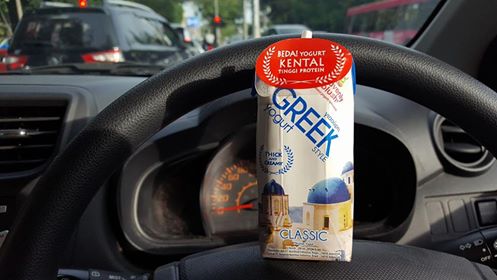
*The last image was taken by the author. The rest comes from the brand’s respective sites.
Kiyora dips into instant tea category

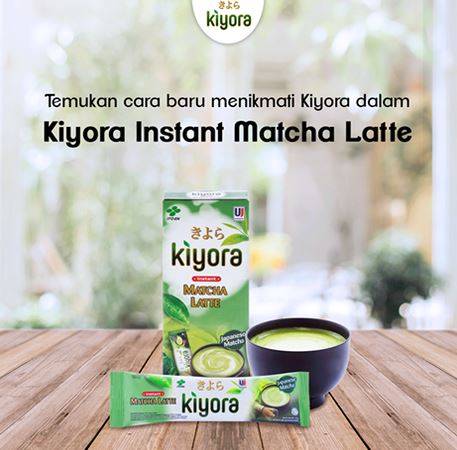
Kiyora, the RTD tea brand from the joint venture between Japan’s Ito En and Indonesia’s Ultrajaya, has finally introduced instant matcha latte and instant milk tea. The instant matcha latte and milk tea is available since June 2017.

Original concept first appeared in 2015

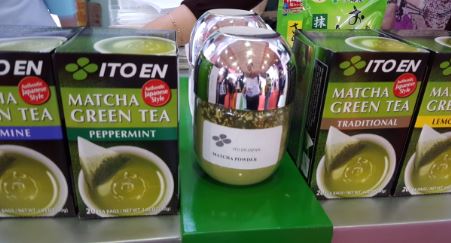
The original concept was first showcased at SIAL InterFOOD 2015 in November (below) and I was told the product would likely be introduced in 2016.

Powdered instant tea represents new category

Kiroya was launched in 2014 featuring three variants Kiyora Green Tea Jasmine, Kiyora Extra Green Tea Jasmine and Kiyora Milk Tea. In 2015, Kiroya Matcha Green Tea was added to the range, followed by Kiyora Hazelnut Milk Tea and Kiyora Strawberry Milk Tea in 2016.

Kiroya’s entry into instant powdered tea marked the brand’s expansion into a new territory. The new instant powdered tea would give the brand the opportunity to showcase the authenticity and quality of its tea ingredient.

Esprecielo (Allure) sets the precedence

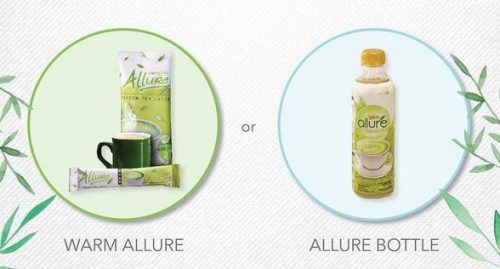
PT Esprecielo, the maker of Allure coffee and green tea latte, first carved its name in instant beverages before moving into the ready-to-drink segment – Green Tea Latte and Vanilla Green Tea Latte. Kiroya is seen as moving the opposite direction from RTD tea to instant beverage. Both companies are essentially trying to maximise their tea expertise to capture more consumption occasions.

Image above from Esprecielo Allure

7-Eleven celebrates Hari Raya with ikhlas

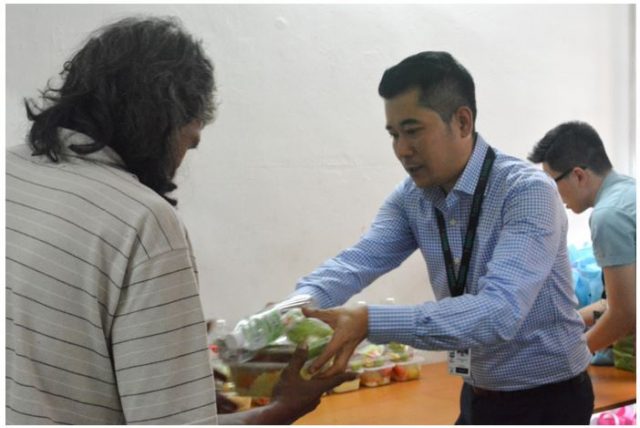
Photo: Marketing General Manager of 7-Eleven Malaysia, Mr. Ronan Lee (centre) handing a packed meal to an individual from the community.

Kuala Lumpur – In conjunction with the Hari Raya celebration, 7-Eleven Malaysia visited Persatuan Kebajikan Ikhlas Komuniti Malaysia (PPKIM) in Lorong Haji Taib 4, Chow Kit to spread festive cheer to the community there.

PPKIM, also known as Ikhlas, is an organization dedicated to support and counsel homeless drug addicts, sex workers, and the transgender community. Serving as a shelter for them, this newly established walk-in centre began operating in June this year. The centre provides access to basic amenities such as water and food for its visitors. They also run a Needle and Syringe Exchange programme that is funded by the Ministry of Health and the Malaysian AIDS Foundation to reduce the rate of contracting HIV via sharing of needles among drug users.

Nor Akmar, one of the outreach workers of the organization said, “We do not discourage these individuals to continue with their daily activities. Instead, we help them by practicing safe habits that would lower their risk of contracting diseases. We will only guide them to the next step when they decide to stop.”

Kamal, Secretary of PPKIM and an ex-drug user himself said, “The society tends to perceive that they would behave inappropriately towards others due to their association with drugs or sex. However, our visitors have never displayed such behaviour towards anyone who have visited our centre.”

He also added, “Even though there are some who are still actively involved with their activities, it is difficult for them to stop immediately. Ikhlas aspires to provide the support and encouragement they need to undergo the rehabilitation process.”

Due to the growing number of visitors, the centre seeks funds to cover their operational expenses and upkeep. They mainly require basic necessities such as food, toiletries, and kitchen supplies. 7-Eleven Malaysia, along with NGO Hub Asia, distributed packed meals and goodie bags containing provisions like a travel toothbrush kit, an Aktif water bottle and other 7-Eleven house brand products.

Mr. Ronan Lee, 7-Eleven Malaysia General Manager of Marketing said, “Hari Raya is a celebration for everyone to partake, including the pockets of community that tends to be forgotten. We are delighted to have been able to celebrate this festivity with this particular community, and we hope that our efforts today will enable Ikhlas to expand its outreach on garnering more awareness and diminish society’s stereotypical beliefs regarding these individuals.”

He further commented, “This community needs us more than ever. By offering them our support, we are giving them a chance to change their future and lead better lives. We at 7-Eleven Malaysia strongly believe in uplifting the lives of those who need us, and knowing the positive impact we make encourages us to continue our endeavours of being Always There For You.”

About 7-Eleven Malaysia

7-Eleven Malaysia Holdings Berhad through its subsidiary 7-Eleven Malaysia Sdn. Bhd. is the owner and operator of 7-Eleven stores in Malaysia. Incorporated on 4 June 1984, 7-Eleven Malaysia has made its mark in the retailing scene and have been a prominent icon for over 32 years. 7-Eleven Malaysia is the pioneer and largest 24-hours standalone convenience store operator in Malaysia with over 2,100 outlets nationwide and serves more than 900,000 customers daily. 7-Eleven stores can be found across bustling commercial districts to serene suburban residential compounds throughout Malaysia, from petrol stations and LRT stations to shopping malls and medical institutions. 7-Eleven is Always There For You.

Unilever’s Bango sweet soy sauce now available in Malaysia

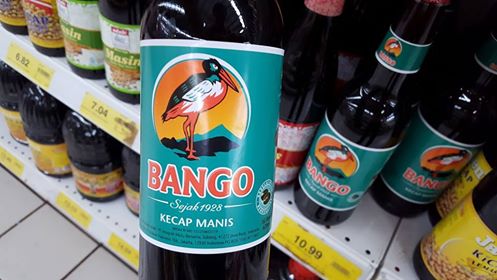
Bango sweet soy sauce from Unilever Indonesia has entered Giant, the supermarket/hypermarket chain in Malaysia owned by Dairy Farm. The Indonesian soy sauce is distributed by Momentum Strike Sdn Bhd, a unit of Wah Kong Corporation.

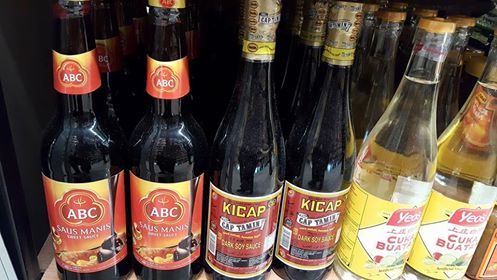
Bango is late in the game as the ABC soy sauce brand of PT Heinz ABC Indonesia has already made its presence felt in Malaysia for several years now. The ABC sauces are available in both modern and traditional trade and is distributed by GBA Corporation Sdn Bhd.

Apart from ABC and Bango, Wings Indonesia’s Kecap Sedaap can be found in the traditional trade.

These sweet soy sauces are aimed largely at Indonesians residing in Malaysia. The number of documented Indonesian workers in the country stood at 750,000 as of September 2016, followed by Nepal at 411,364 and Bangladesh 237,991. This figures exclude workers who are illegals.

Data from the Department of Statistics of Malaysia shows the country imported RM 2.8 million worth of soya sauce from Indonesia in 2016, up from RM 1.98 million in 2015 and RM 1.1 million in 2013. The amount is insignificant and probably did not take into account sauces that were shipped without going through the proper channel.

Bango Kecap Manis (620ml) is available at Giant for a price of RM 10.99, while ABC Saus Manis (620ml) is selling at a price of RM 10.09.

Growing tide against halal

USD 3.7 trillion market for halal food, lifestyle

Experts, businesses and governments have talked about the immense opportunity for halal products and services for the global 1.8 billion Muslims worldwide. The latest Global Islamic Economy Report, commissioned by the Government of Dubai, has estimated the total spending on global halal food and lifestyle products is expected to reach USD 3.7 trillion by 2019.

Stopping the tide of halal in China and Australia

Despite talks about the huge opportunity for halal, we have seen backlash against the perceived inroad of “halal” in countries where Muslims are minorities such as in Australia and in China.

Kellogg’s and others withdraw from halal certification

In July 2017, Kellogg’s Australia has decided not to renew its halal certification, which means, its cereals produced in Australia including Special K, Crunchy Nut, All-Bran and Nutrigrain will no longer be certified halal. The decision was made not due to public pressure but due to commercial reason, said the company.

Another breakfast maker Sanitarium has followed suit by ditching the halal certification citing its products are already suitable for people wanting kosher or halal foods since no alcohol or meat-based ingredients are used.

From March 2016, all Nestle retail chocolate blocks and bars, and baking chocolate in Australia are no longer halal certified. Click here for the list of Nestle products that are still certified halal.

The anti-halal movements in Australia started gaining momentum in 2014 after an aggressive social media campaign forced the South Australian Fleurieu Milk and Yoghurt Company to ditch its yoghurt supply deal with Emirates. The backlash against the dairy firm came after it was known that the company was required to pay AUD 1,000 for the halal certification. There were suggestion that the halal certification fee would be used to fund terrorism and would pushed up the product prices.

Others including Reclaim Australia felt that the country is becoming increasingly “Islamified” and that the certification to obtain halal is a form of “religious tax.”

The number of Muslims in Australia reached 604,000 or 2.2% of the population, according to the latest census in 2016. This is almost doubled from 341,000 in the 2006 census.

Against the spread of “Halal generalisation” in China

In China, there is a term called 清真泛化 (qingzheng fanhua), loosely translated as “halal generalisation.” The terms is largely explained as the spread of the concept of halal beyond halal-certified food into other areas, while using the name of halal to meddle in the secular life of others” (泛化清真概念,将清真概念扩大到清真食品领域之外的其他领域,借不清真之名排斥、干预他人世俗生活的). This was one of the clauses in the anti-extremism regulation (新疆维吾尔自治区去极端化条例) approved by Xinjiang lawmakers on 29 March 2017 and went into effect on 1 April 2017.

A visit by the Chief of Navy of the Royal Malaysian Navy – Admiral Ahmad Kamarulzaman Ahmad Badaruddin – on the Liaoning aircraft carrier in 2016. Notice the word “Muslim mess deck,” which was then used but has since been replaced.

A good example of the move to stem “halalnisation” is the replacement of the name to describe one of the restaurants in the Chinese aircraft carrier Liaoning from “halal mess deck” (清真餐厅) to “ethnic restaurant” (民族餐厅), which is now opened to all ethnic minorities.

Even before the enforcement of the law in Xinjiang in April 2017, Wang Zuoan, director of the State Administration for Religious Affairs (SARA), spoke about the creeping intrusion of halal into the daily life of the Chinese people at the China Islamic Association’s 10th National Congress in Beijing in November 2016. In recent years, there are examples of halal water, halal salt, halal flour and halal vegetables and how this halal concept has move into other areas like halal cosmetics, halal soap and even halal tissue in China.

There are calls within China to boycott halal-certified products citing the creeping Islamisation and the support for extremism from money spent on halal certification.

Islamic Association of China narrows its halal supervision to meat products bound for export

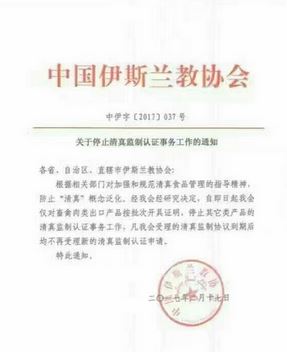
Following the change in the government policy, China’s biggest dairy company said in March 2017 that it would longer display the words “supervised by the Islamic Association of China (中国伊斯兰教协会)” next to the halal logo. The packaging will only display the word halal (清真).  This comes after the Islamic Association of China issued a notice in March 2017 (关于不再续签清真监制协议的通知) stating the organisation will only provide certification for the export of meat products and not other products.

Popular food delivery app Meituan slammed

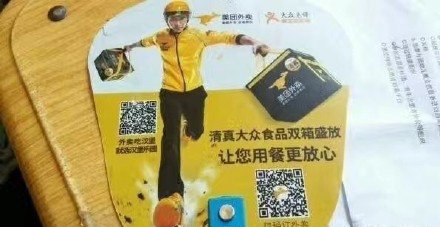
Meituan (美团网), the popular food delivery app in China, was rebuked by netizens after the platform announced in July 2017 that it would have different logistics infrastructure to handle halal food. The food delivery company planned to have two delivery boxes, one for halal and one for non-halal, resulting in outcry by netizens of discriminating against non-Muslims. Global Times, the English-language media owned by the Chinese government, reported that the “slogan implied that the food they eat is “unsafe and unclean.”

What Mini Me thinks

The lucrative halal market has attracted governments around the world to develop their halal industries. Taiwan, Japan, South Korea, Thailand and the Philippines are among the countries that are proactive in this area. Even Chinese companies are working to increase their exposure to the strong 1.8 billion Muslim consumers worldwide.

However, we see consumer backlash against halal in Muslim minority countries like Australia and China due to fears of Islamisation and the unintended consequence that the funds meant for halal certification would end up supporting extremism.

Companies operating in these markets should thread a fine line between halal and haram. Of course, they can still target the vast Muslim consumers worldwide with halal dedicated factories for the export market, while maintaining the non-overt display or even removing the halal logo for products meant for the domestic market.

What’s new in the Philippines beverage scene second edition

We are now back with the second edition of what’s new in the Philippines beverage scene. Click here for the first edition.

Zest-O Corporation Sunburst Select juice

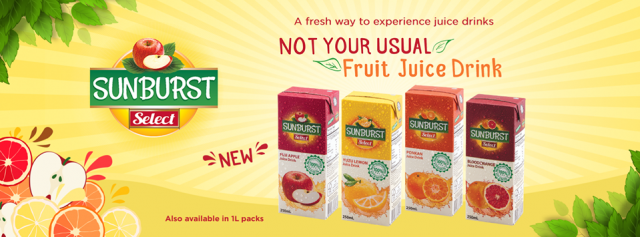
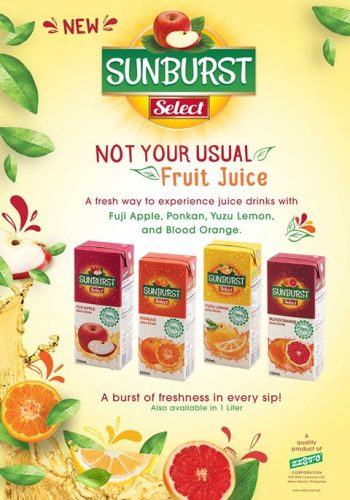
Zest-O has released a range of new beverages including juice and yoghurt drink. The notable ones are Sunburst Select juice drink comprising Fuji Apple, Ponkan, Yuzu Lemon and Blood Orange. They come in 1L and 250ml packs. The new blood orange is a unique flavour for the juice drink segment.

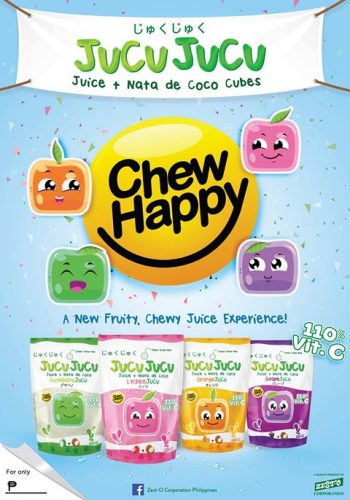
Zest-O Jucu-Jucu chewable juice

Jucu-Jucu is a new juice + nata de coco cubes for a new fruity, chewy juice experience.

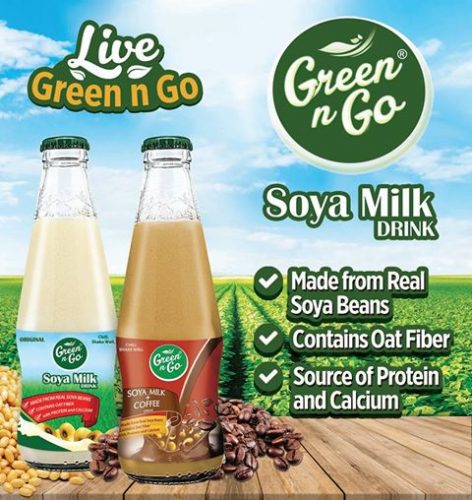
Zest-O Green n Go soya milk drink

Apart from juice drink and chewable juice, Zest-O also introduced soya milk drinks under the Green n Go range. The range contains two variants Soya Milk and Soya Milk + Coffee Drink. It taps into the growing popularity of packaged soya milk drink as seen in the surge in sales of Vitamilk and the recent entry of Vitasoy.

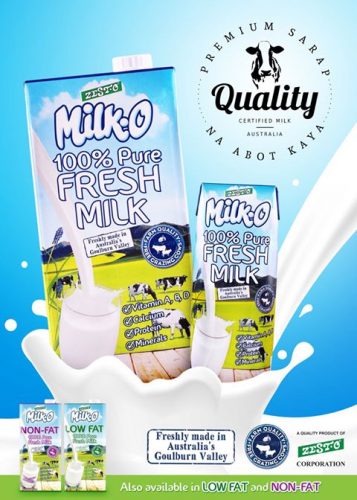
Zest-O Milk-O fresh milk

Technically not a beverage, Zest-O Milk-O 100% pure fresh milk is made in Australia’s Goulburn Valley. The Milk-O range comes in the form of fresh milk, non-fat and low fat.

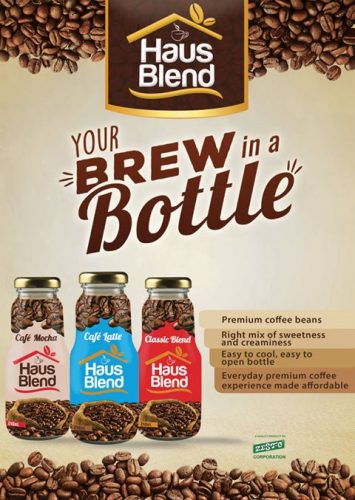
Zest-O Haus Blend RTD coffee

The other new product from Zest-O is the Haus Blend RTD coffee made from premium beans. The drink comes in a glass bottle to convey the premiumness and has three variants – Cafe Mocha, Cafe Latte and Classic Blend.

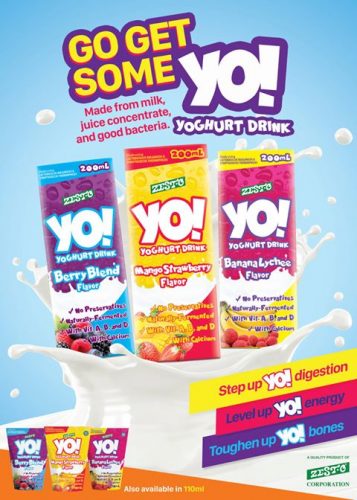
Zest-O Yo! yoghurt drink for kids

Finally, Zest-O has the new Yo! yoghurt drink made from milk, juice concentrate and good bacteria (Lactobacillus Bulgaricus and Streptococcus Thermophilus). It is naturally-fermented, with calcium, vitamin A, B and D and no preservatives.

In addition to 200ml Tetra Brik Aseptic Slim, Yo! is also available in 100ml Tetra Wedge Aseptic, ideal for children. The use of Yo! coincides with Indonesia’s Heavenly Blush Yo! yogurt drink also aimed at children. The Indonesian Yo! yogurt drink was introduced in 2015.

Zest-O’s Yo! comes with Banana Lychee, Berry Blend and Mango Strawberry flavours.

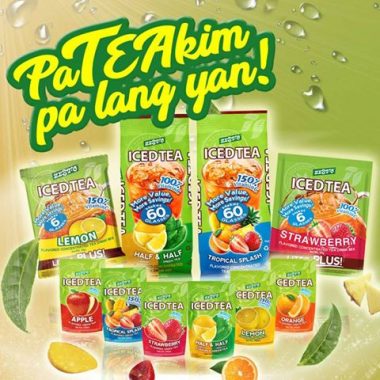
Zest-O Instant Iced Tea

The Zest-O iced tea has a new packaging for its range of instant powdered ice tea and the Zest-O Iced Tea RTD in doypack. Zest-O Chairman Alfredo Yao is the man credited of bringing the doypack technology to the Philippines.

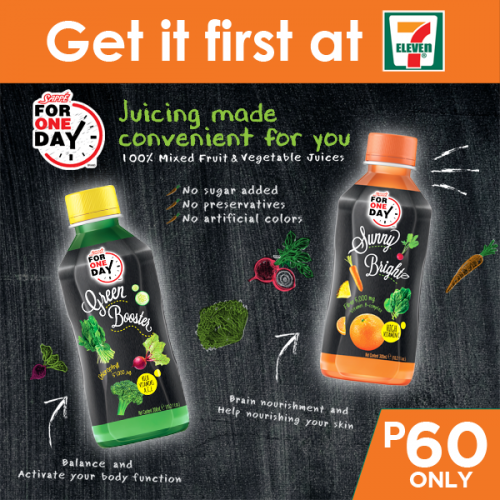
Sappee For One Day

Thailand’s Sappe For One Day Juice – Sunny Brighter and Green Booster does not have artificial colours, preservatives and sugar added. For One Day was first launched in Thailand in 2016.

SIP purified water

SIP purified water (500ml) is pure water filtered through the volcanic rocks of Mount Makiling. SIP is now available at SM Supermarket (Luzon), Savemore Supermarket (Luzon) and 7-11 (Luzon). There are three sizes – 1L, 500ml and 350ml.

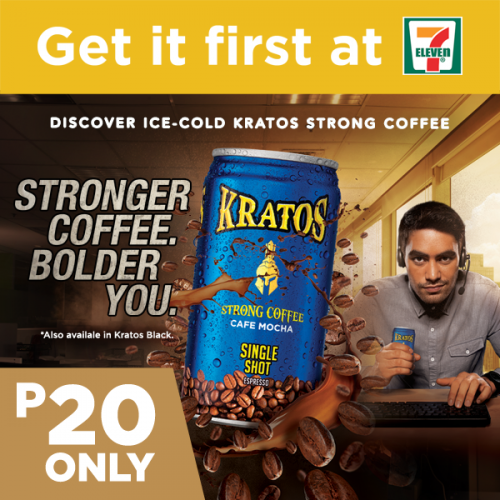
Kratos RTD coffee

Monde Nissin has made available Kratos Strong Coffee in 7-Eleven. Also available in Kratos Black. Kratos Strong Coffee Mocha is an espresso shot of robusta coffee infused with cocoa powder, while Kratos Strong Coffee Black is double shot espresso. Kratos Strong Coffee was launched in 2016.

This RTD coffee from Monde Malee Beverage Corporation (MMBC), the joint venture between local Monde Nissin and Thailand’s Malee, is aimed at BPO workers looking for an alternative to energy drinks.

Other new products – Vitasoy, Wilkins Delight & Gatorade G-Active

The click on the following links for the detailed reviews of Wilkins Delight, Vitasoy, Gatorade sugar-free and Quaker Good Start.

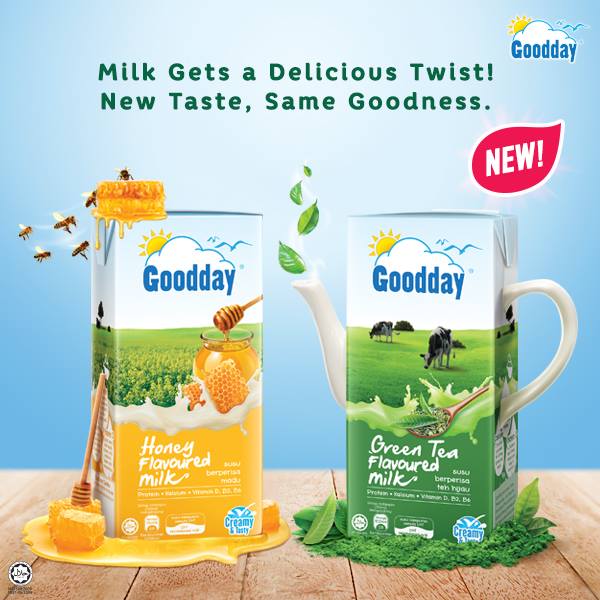
Goodday introduces green tea, honey flavoured UHT milk

Goodday, the market leader in pasteurised liquid fresh milk in Peninsular Malaysia, has added two flavoured UHT milk – Green Tea and Honey to improve its position in the UHT category currently dominated by FrieslandCampina’s Dutch Lady. The launch of the two new flavoured milk by Etika Sdn Bhd in July 2017 also brought new flavour innovation to the UHT category, where chocolate and strawberry remain the mainstream flavours.

The new Goodday UHT milk comes in a 250ml Tetra Pak’s Tetra Brik Aseptic packaging. The total sugar content for the honey flavoured milk is 8.8g per 100ml and 7.1g per 100ml for the green tea flavoured milk. Both has 2.8g of protein per 100ml.

Both products have received the Ministry of Health’s Healthier Choice Logo (HCL).

What Mini Me thinks

The two new flavoured milk is seen as a move by Etika to improve milk consumption by adults by introducing more matured flavours like green tea into the UHT milk category.

HOT NEWS

Tales of two RTD tea: Fiesta Black and Fiesta White

0
Different distribution channels The two ready-to-drink (RTD) teas of Charoen Pokphand Group's PT Singa Mas Indonesia, Fiesta White and Fiesta Black, surprisingly have different focus....

MUST READ

Nissin launches new tuna-flavoured cracker

0
Nissin's latest innovation, the Supero Sandwich Cracker with tuna flavour, is a delicious and convenient way to enjoy the classic combination of crackers and...